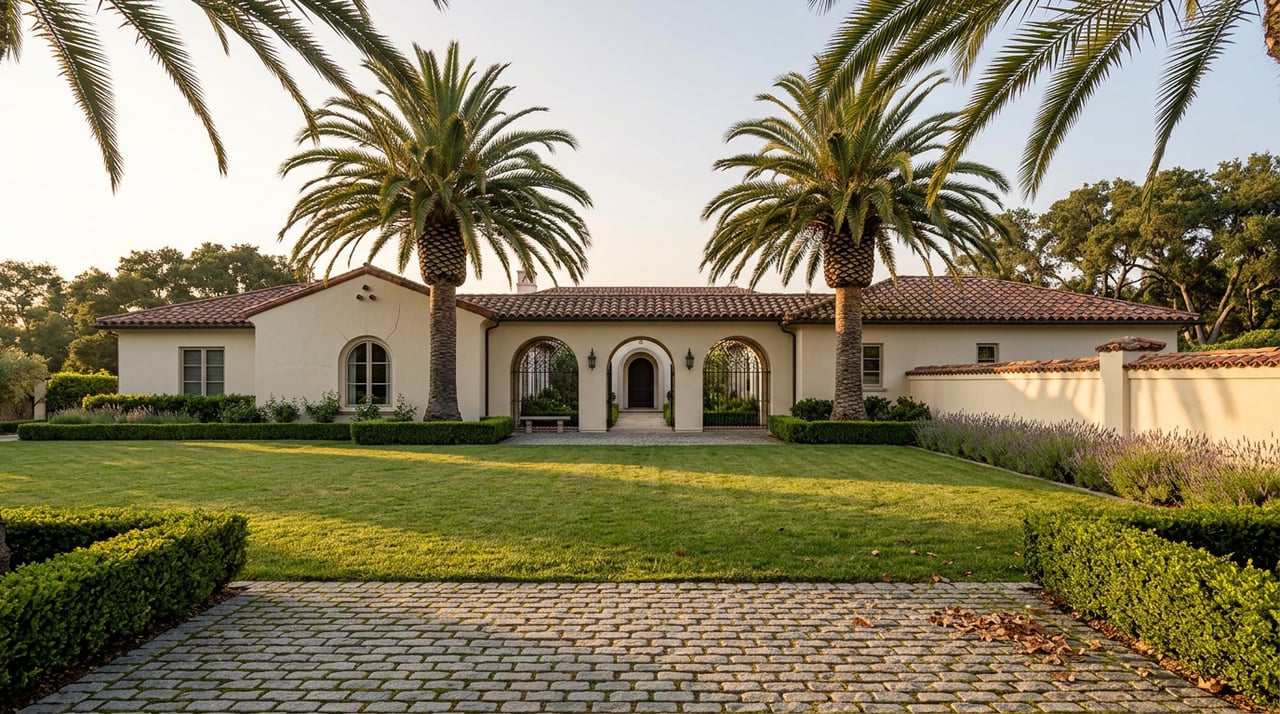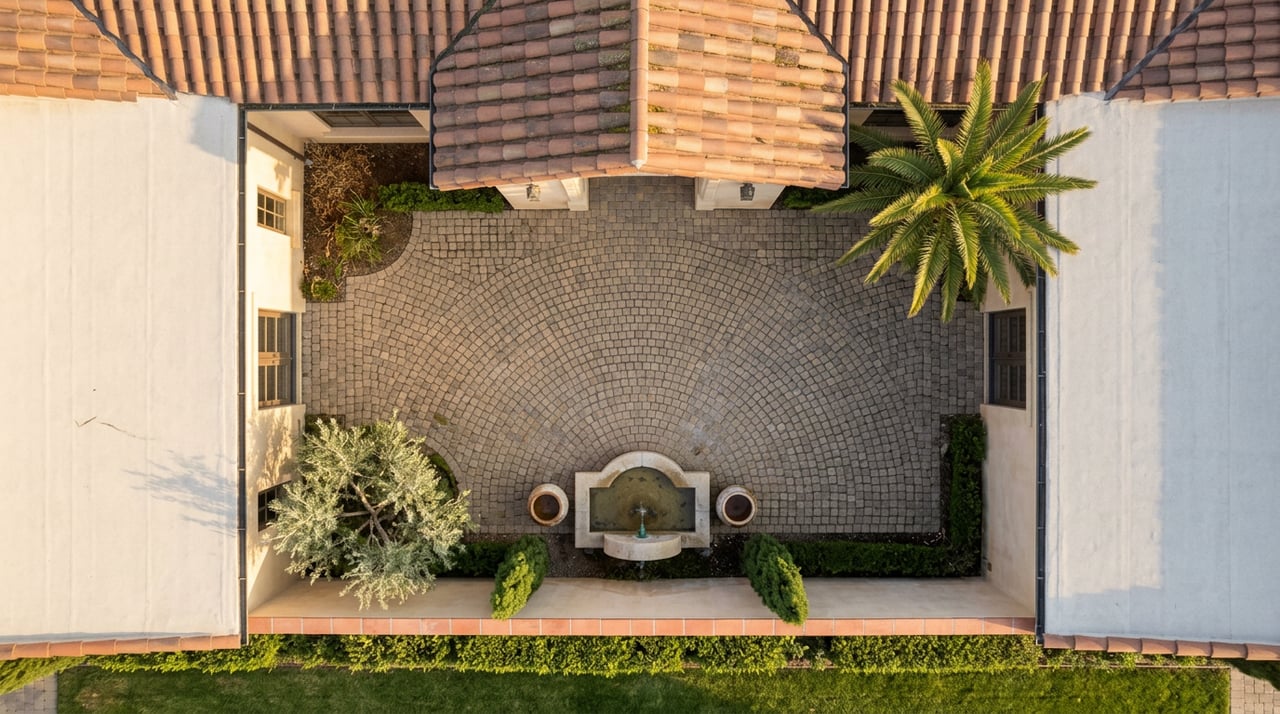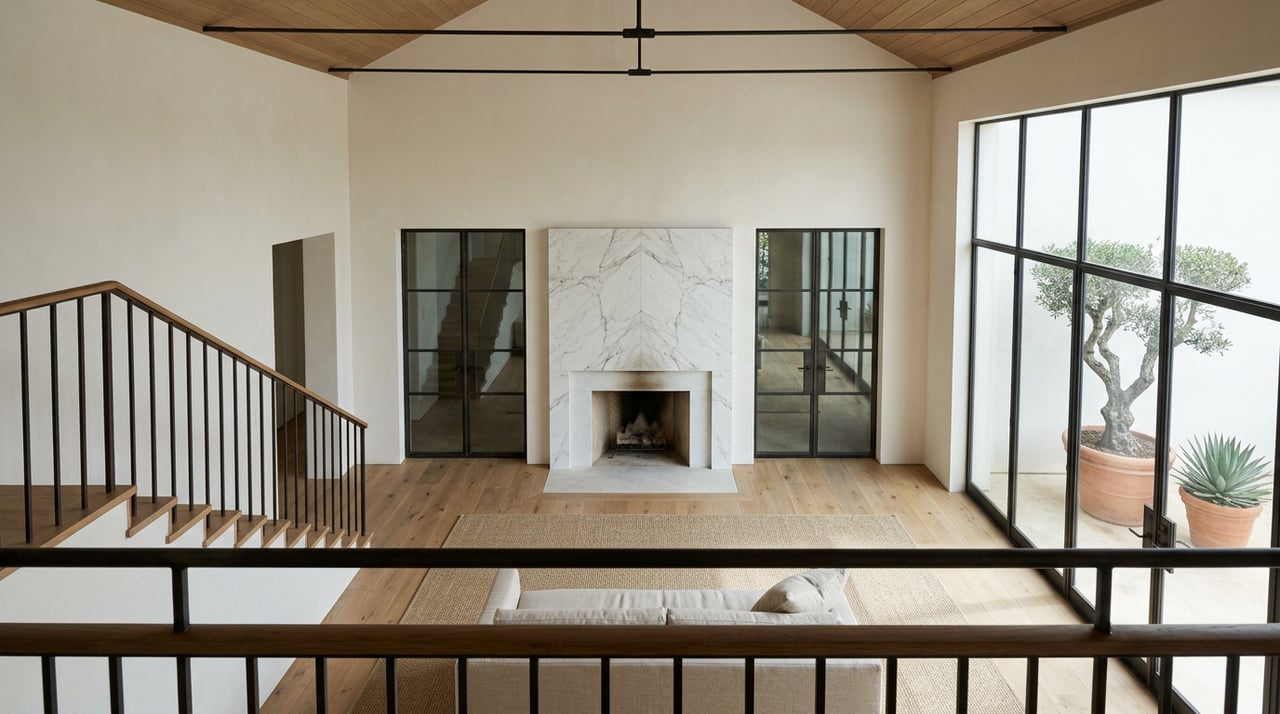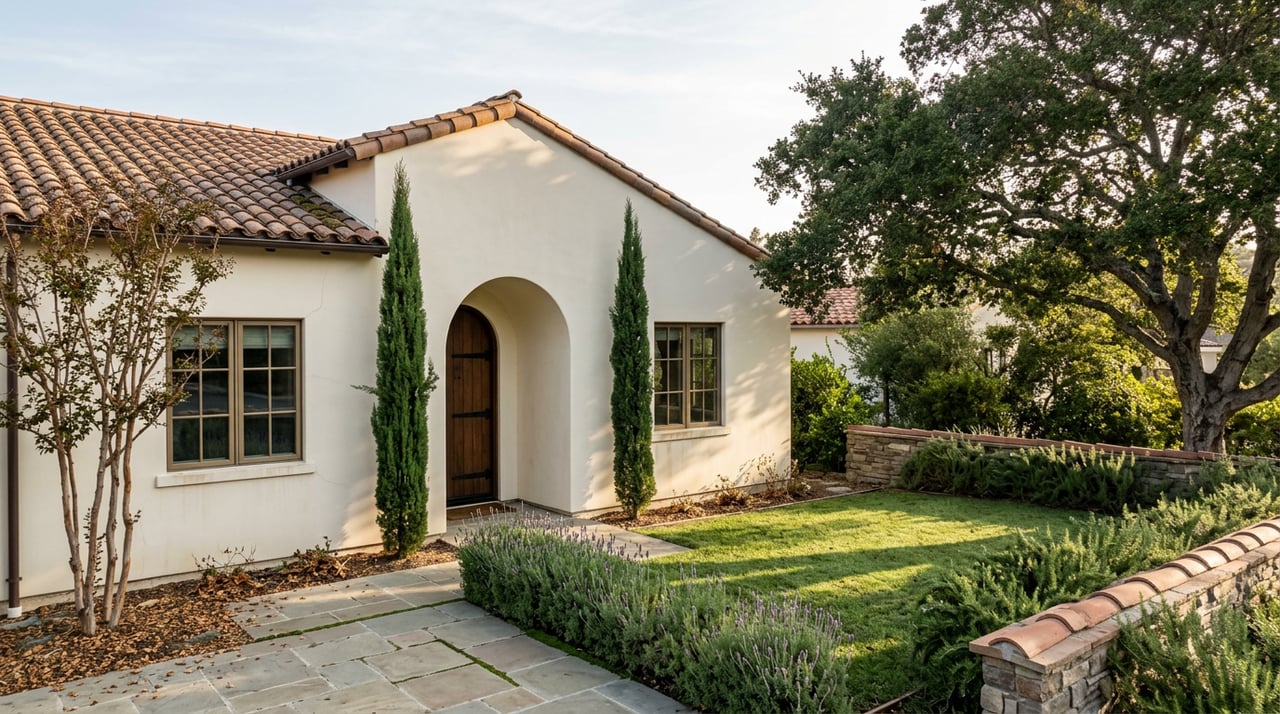
Say you bought a single-story house on the east side of Claremont two years ago, something built in the late 1970s, nothing you'd ever have called historic. You're ready to pull permits for a second-story addition. Your contractor tells you the city now wants a cultural resources review before anything touches the exterior. You didn't buy an old house. You bought a house that turned 45.
That's the mechanism most Claremont buyers and sellers haven't caught up to yet. In 2024 the city rewrote the rule that decides when a home enters historic review, and it moved the number down, not up.
The Number the City Quietly Changed
Federal preservation guidance generally treats 50 years as the age a building needs to reach before it's even considered for historic status. When Claremont rebuilt its Cultural Resources Preservation Ordinance in 2024, city staff pushed for something more aggressive: a 45-year threshold, explicitly so the city wouldn't overlook resources on their way to turning 50. The council adopted it, and the ordinance took effect on May 9, 2024.
Run that against today's calendar and any home built in 1981 or earlier now sits inside the window for mandatory review before major alteration or demolition, whether or not it's ever been formally designated and whether or not the owner asked for the attention.
| Before the 2024 ordinance | After the 2024 ordinance | |
|---|---|---|
| Age that triggers mandatory demolition review | 50 years | 45 years |
| Owner consent required to be added to the Register | No | No, unchanged |
| Notice and hearing rights before listing | Not codified | Required, with appeal to City Council |
Nobody Has to Ask Your Permission to Put You on the List
Here's the part that catches long-time owners off guard: placement on the Claremont Register of Structures of Historical and Architectural Merit has never required the owner's consent, and the 2024 ordinance didn't change that. What it added was a notification step. Owners get word and a chance to speak to the Architectural and Preservation Commission, or appeal to the City Council, but the city can still add a qualifying property without a request from whoever holds the deed.
The Register isn't a small list either. A March 2024 planning staff report put it at roughly 1,150 properties, built up since Claremont Heritage, the nonprofit founded in 1976, first compiled the inventory that became the city's official register in 1980.
The Same Door That Triggers Review Also Opens the Tax Break
Here's the trade a lot of sellers miss. The same cultural resource designation that puts a home through mandatory review is also the only way into the Mills Act, the state program that can cut a property's tax bill by about half in exchange for a ten-year, self-renewing commitment to maintain the home's historic character. Every Mills Act application in Claremont runs through the Architectural and Preservation Commission before the City Council votes on the contract, property by property.
That pipeline moved through real addresses over the past year. City Council records from late 2025 into 2026 show individual Mills Act agreements executed for:
- 1230 Harvard Avenue, a 1926 Spanish Colonial Revival added to the Register in November 2025
- 611 West Eighth Street, a 1948 adobe-brick ranch owned by David Medak and Elena Esquibel
- 424 Harrison Avenue, owned by Riley Richards and Avalon Alva-Richards
- 1111 North Indian Hill Boulevard, owned by David Ryan and Jacqueline Muhr
- 425 West Tenth Street, owned by Michael Blickenstaff and Sabrina Fernandes Blickenstaff, approved on the council's May 2026 agenda
None of these are outliers. They're the ordinary output of a program the city runs on a rolling basis, which is exactly why a buyer touring an older Claremont home should ask whether one is already attached to the property instead of assuming it isn't.
Why the Discount Follows the Deed, Not the Person
A Mills Act contract isn't a discount the seller takes with them when they move. It's recorded against the property and binds whoever owns it next for the remainder of the ten-year term, which renews automatically unless either side moves to cancel it. Buy a home already under contract and you inherit the lower tax bill and the maintenance obligations that earned it, in the same transaction.
That's worth pricing the way you'd price any recurring cost, except this one runs in the buyer's favor. Two homes that look identical on paper, same block, same square footage, can carry meaningfully different holding costs if one of them has a Mills Act agreement on file with the county and the other doesn't.
The Market Already Knows Something Buyers Don't
Look at where price growth is concentrated and the pattern shows up on its own. In the three months ending May 2026, Claremont's citywide median sale price sat at roughly $1.1 million, up about 1.4 percent from the year before, a market settling into something closer to balanced. Old Claremont, the historic core where most of the pre-1981 housing stock and the bulk of Mills Act activity sits, posted a median closer to $1.5 million over that same window, up 18.1 percent year over year.
That gap is too wide to be architecture alone. Buyers competing for homes in the historic core are pricing in something the citywide median doesn't capture: the possibility that the home they're bidding on already carries, or could carry, a tax contract that changes what ownership actually costs every year.
What to Actually Check Before You Write an Offer
If the home you're looking at, or selling, was built in 1981 or earlier, a few questions are worth settling before anyone signs anything.
- Is the property already listed on the Claremont Register, and is there an active Mills Act contract recorded against it? The city's Community Development Department can confirm both.
- If it isn't listed yet, does it meet the eligibility criteria under the state's Historical Property Contract program, the baseline every Mills Act application has to satisfy?
- If you're the seller and the home has never been reviewed, are you prepared for the possibility that the city could add it to the Register on its own initiative? Notification is required. Consent is not.
- If you're buying a home with an existing Mills Act contract, have you reviewed the maintenance schedule you'd be taking on along with the tax savings?
None of these questions show up on a standard listing sheet. They show up in county records, city planning files, and the fine print of a contract that outlives whoever signed it first.
FAQ
Does every home over 45 years old automatically become historic in Claremont? No. Turning 45 makes a property old enough to fall under the ordinance's mandatory review requirement for demolition or major alteration. Formal designation on the Claremont Register is a separate step that still requires City Council action.
Can a designated home still be remodeled? Yes. The ordinance governs how changes happen, not whether they can, requiring review against the Secretary of the Interior's Standards for Rehabilitation rather than blocking work outright.
What happens to a Mills Act contract if the home sells? It transfers with the property. The new owner takes on the remaining term, the maintenance obligations, and the reduced tax bill without reapplying.
If you're weighing a Claremont listing against something outside the historic core, or you own a home built before 1981 and want to know exactly where it sits with the city, Shannon Brady can walk through what the Register and the county's Mills Act file actually show for a specific address before you price anything. Get an Instant Home Valuation to see how your home compares.