Buying your first home in San Dimas can feel exciting and intimidating at the same time. Prices are high enough that every decision matters, but the market is not moving so fast that you have to guess your way through it. If you want to understand what first-time buying here really looks like, this guide will walk you through prices, property types, costs, timing, and smart next steps. Let’s dive in.
San Dimas at a Glance
San Dimas is a higher-price market for first-time buyers. In March 2026, Redfin reported a median sale price of $920,000, while Zillow placed the typical home value at $927,055 as of March 31, 2026. Realtor.com also showed a median listing price of $919,000 in its March 2026 snapshot.
That means your first-home search in San Dimas will likely center on the low-to-mid $900,000s rather than a lower entry-level price point. For many buyers, that makes financing readiness and a clear monthly budget especially important before touring homes.
What the Market Feels Like Right Now
San Dimas looks competitive, but not chaotic. Redfin reported that homes received 2 offers on average, sold in about 50 days, and closed at a 99.1% sale-to-list price ratio in March 2026. Realtor.com also noted 106 homes for sale, with days on market rising year over year.
For you, that can be good news. A well-priced home may still move quickly, but you may have more room to compare homes, complete inspections, and negotiate thoughtfully than you would in a peak bidding-war market.
Home Types You’ll Likely See
Single-family homes lead
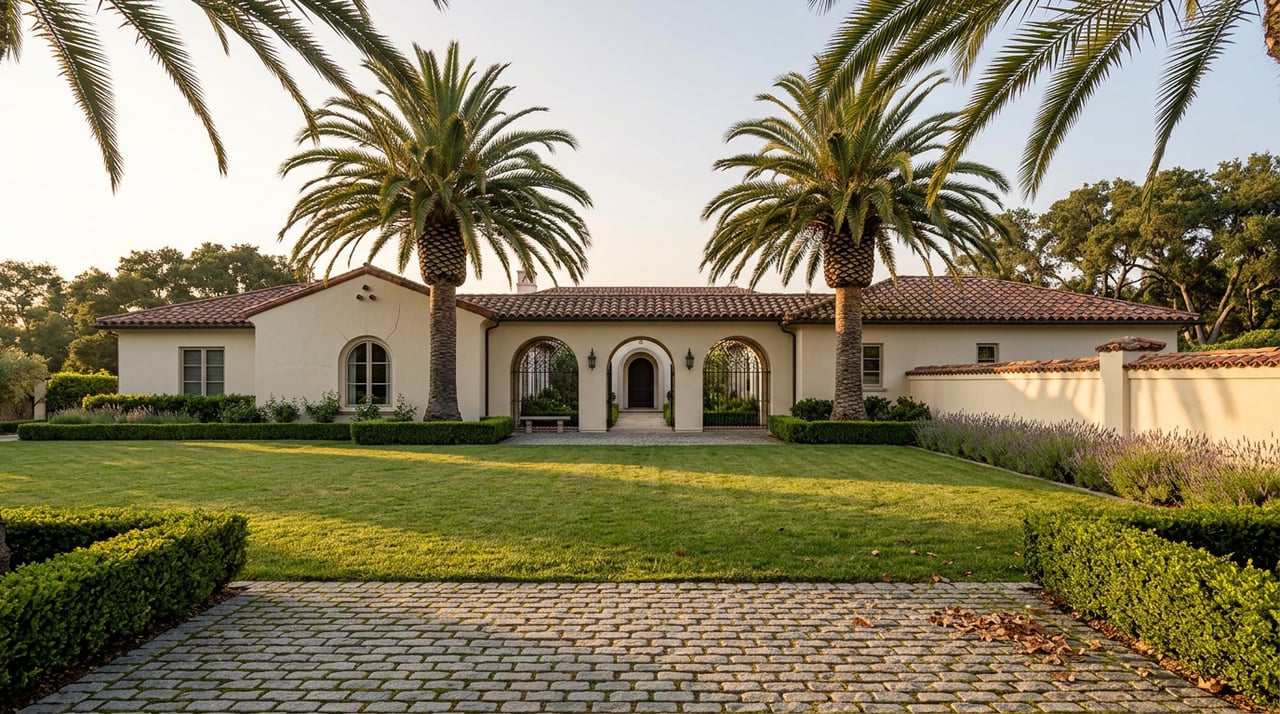
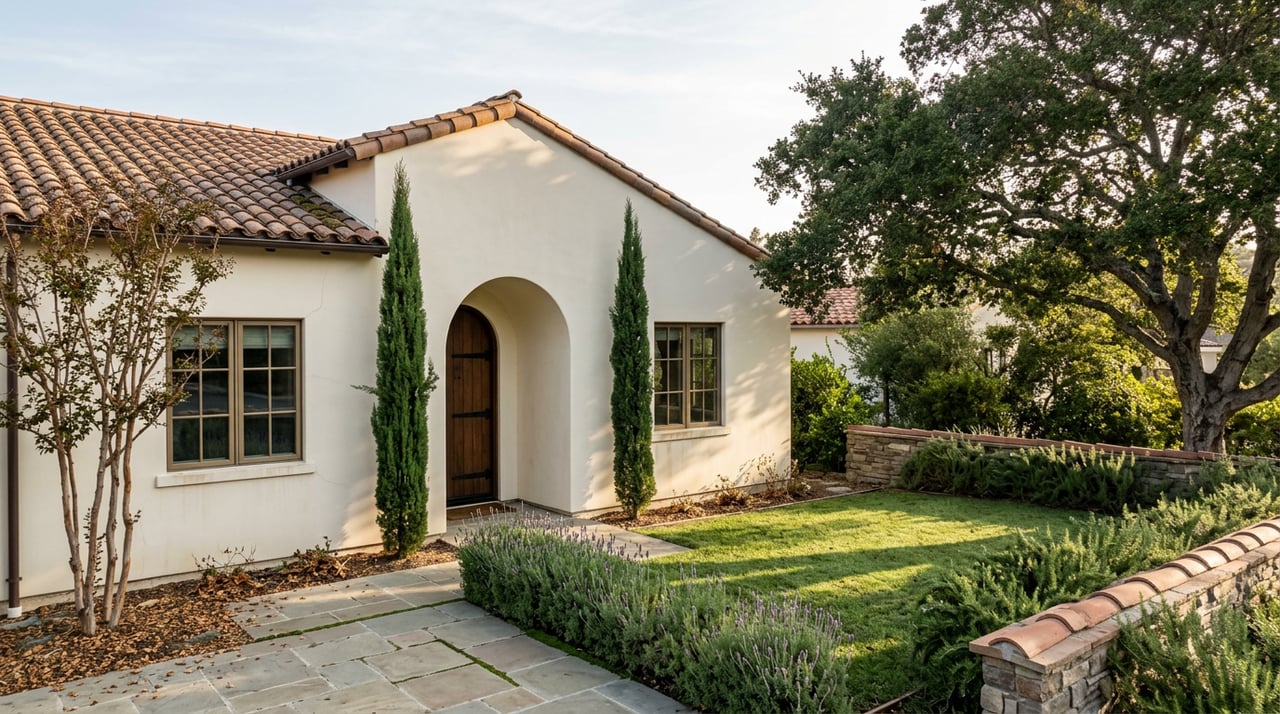
San Dimas still has a strong single-family-home identity. The city’s housing element describes Single Family Low as the most prevalent residential use in the city.
If you start shopping here, detached homes will likely make up a large share of what you see. That said, San Dimas is not limited to one type of housing.
Condos and townhomes matter too
The city’s land-use framework allows cottages, patio homes, duplexes, townhomes, garden apartments, apartments, and mobile homes in designated areas. Listing platforms for San Dimas also show single-family homes, condos, townhomes, multi-family homes, and mobile homes.
That gives first-time buyers real choices. In many cases, the better fit comes down to your payment comfort, HOA dues, maintenance preferences, and how much space you want to manage.
Why resale inventory may stay important
San Dimas does have housing planning underway, including a proposed 161-unit multifamily project noted by the city in April 2025. Still, the city’s planning documents suggest new supply is not spread across large amounts of vacant land.
In practical terms, that means existing resale homes may continue to be a major part of your search. Competition can stay focused on available listings rather than being eased by a large wave of new construction.
What First-Time Buyers Should Budget For
Down payment is only part of it
One of the biggest first-time buyer surprises is how many upfront costs show up before closing day. Fannie Mae says closing costs are often about 2% to 5% of the purchase price, and earnest money deposits commonly range from 1% to 3%.
In a San Dimas price range around the low-to-mid $900,000s, those percentages can add up fast. It helps to think in terms of total cash needed, not just your planned down payment.
Monthly ownership costs add up too
Your monthly payment may include more than principal and interest. Fannie Mae notes that buyers should also plan for property taxes, homeowners insurance, HOA or condo fees, maintenance, and possibly flood or earthquake insurance.
This matters a lot when you compare a condo or townhome with a detached home. A lower purchase price can still come with HOA dues that affect both your monthly budget and your loan qualification.
Property taxes work differently after purchase
California property taxes can confuse first-time buyers if no one explains them clearly. The California State Board of Equalization says Proposition 13 generally limits the property tax rate to 1% of a property’s full cash value, with limited exceptions, and generally caps annual assessed-value increases at 2% until a change in ownership or new construction triggers reassessment.
Los Angeles County explains that the assessor establishes assessed value, while the auditor-controller applies the general tax levy plus debt-service tax rates. The key point for you is simple: the seller’s old tax bill may not reflect what you will pay after closing.
Supplemental tax bills can catch buyers off guard
The California State Board of Equalization also explains that supplemental tax bills can follow a purchase or new construction event. That means your first-year tax costs may look different from the property’s past tax history.
This is one of the most important budgeting details for first-time buyers in San Dimas. If you build your payment estimate from outdated tax numbers, your true monthly cost may come in higher than expected.
A Simple First-Time Buyer Game Plan
1. Set your real price ceiling
Start with the monthly payment you can comfortably carry, not just the biggest loan amount you might qualify for. In a market where many homes cluster around the low-to-mid $900,000s, knowing your ceiling early can save you time and stress.
This also helps you decide whether a detached home, condo, or townhome makes the most sense. The right answer is the one that fits your budget without stretching you too thin.
2. Get financing ready early
Because San Dimas is competitive enough that strong homes can still move quickly, it helps to start with financing lined up. A buyer who understands their numbers before touring homes is in a better position to act with confidence.
That readiness matters even more when multiple offers are possible. You do not want to find the right home and then start organizing your financing afterward.
3. Compare homes by total monthly cost
Do not compare homes by price alone. Look at mortgage payment, taxes, insurance, HOA dues, and likely maintenance together.
This is especially useful when comparing attached and detached homes. A condo may offer a lower purchase price, while a detached home may offer fewer monthly HOA costs, or vice versa.
4. Leave room for inspections and repairs
California’s Department of Real Estate says first-time buyers should consider home and pest or termite inspections. Inspection results often shape repair requests, credits, or the decision to move forward.
For an older or more complex property, inspection findings can change the financial picture quickly. That is why it helps to keep reserves in your budget instead of using every available dollar at closing.
What the Buying Timeline Looks Like
From preapproval to closing
Most first-time purchases move through a familiar sequence: preapproval, home search, offer, inspection, appraisal, underwriting, and closing. The exact pace can vary, but lender documentation and contingency deadlines often shape the process more than anything else.
The Consumer Financial Protection Bureau says closing is the final stage of the homebuying journey and that the lender must provide the Closing Disclosure at least three business days before closing. That gives you time to review your final loan terms and costs before you sign.
Inspections matter in California
The California Department of Real Estate also highlights home and pest or termite inspections. It notes that the buyer’s agent performs a visual inspection of defects that are readily observable.
For you, that means the inspection period is not just a formality. It is the stage where major condition issues, repair questions, and even insurance or loan concerns can become clearer.
Why local guidance matters
In San Dimas, local insight can help you judge whether a home is priced competitively, whether an inspection issue is minor or more serious, and how to frame repair requests in a way that fits the local market. That kind of guidance can make the process feel much more manageable.
A hands-on local agent can also help keep communication moving between lender, inspector, and seller. When everyone stays aligned, you have a better chance of closing on time and with fewer surprises.
First-Time Buyer Help to Know About
California buyers may have access to state-level programs through CalHFA. Its Homebuyers Loan Program includes FHA, VA, USDA, and conventional first-mortgage options, along with down payment and closing-cost assistance.
CalHFA’s MyHome program offers a deferred-payment junior loan of up to the lesser of 3.5% of the purchase price or appraised value for FHA loans, or up to the lesser of 3% for conventional loans. CalHFA also says its approved online homebuyer education course is eight hours long, with live virtual or in-person counseling available through approved providers.
If you are trying to make San Dimas work as a first purchase, these programs may be worth exploring early. Assistance options do not change the local price point, but they may help with cash-to-close planning.
How to Shop Smarter in San Dimas
A smart first-time buyer approach in San Dimas usually comes down to a few core habits:
- Know your payment limit before you start touring
- Compare detached homes with condos and townhomes honestly
- Budget for closing costs, earnest money, inspections, and reserves
- Ask how taxes, HOA dues, and insurance affect the full monthly payment
- Move quickly on well-priced homes, but do not skip inspections or due diligence
This market rewards preparation more than panic. If you understand your numbers and stay disciplined, you can make solid decisions without feeling rushed.
If you want a local, practical guide through the San Dimas market, Shannon Brady offers hands-on support backed by neighborhood knowledge, clear communication, and real property insight to help you buy with confidence.
FAQs
Is San Dimas realistic for a first-time homebuyer?
- Yes, but it is a higher-price market. With recent median prices around the low-to-mid $900,000s, you will want a realistic financing plan and a clear monthly budget from the start.
What home type is most common for first-time buyers in San Dimas?
- Single-family detached homes are the most common residential pattern in San Dimas, but condos and townhomes are important alternatives for buyers focused on affordability and maintenance.
What costs surprise San Dimas first-time buyers most often?
- Closing costs, earnest money, HOA dues, insurance, and post-purchase property tax changes are some of the biggest surprises, especially when buyers rely on the seller’s old tax bill.
Why do San Dimas buyers need to understand supplemental taxes?
- In California, a purchase can trigger reassessment and a supplemental tax bill, so your first-year tax costs may be different from the property’s previous tax history.
How competitive is the San Dimas housing market for first-time buyers?
- Recent data suggests it is competitive but not extreme. Homes received 2 offers on average, sold in about 50 days, and closed close to list price in March 2026.
What assistance programs can help first-time buyers in San Dimas?
- CalHFA offers first-mortgage options and down payment or closing-cost assistance, including the MyHome program and an approved eight-hour homebuyer education course.