Shopping for a home in Glendora can feel like walking through a living timeline. One block brings you past storybook bungalows near the Village, the next reveals classic ranch homes, and a quick drive north climbs into view-filled estates. If you know the visual cues and typical layouts, you can zero in on the right fit faster. In this guide, you’ll learn how the main Glendora home styles look, where they cluster, what floor plans to expect, and what to check before you buy. Let’s dive in.
Quick snapshot of Glendora housing
Glendora’s housing stock spans more than a century of Southern California architecture. The city preserves a charming historic core around the Glendora Village, then transitions to broad swaths of postwar ranch and mid-century homes, and finishes with newer custom estates along the foothills. The City’s historic program highlights early homes near the Village and offers helpful context for age and design details you will see on a stroll. You can explore the program and walking-tour resources on the City’s Historic Preservation page for additional background and examples of protected architecture.
Classic homes near the Village
What you will see
In and around the Glendora Village, you’ll encounter prewar Victorians and Craftsman or California bungalows. Look for low-pitched gabled roofs, wide eaves with exposed rafter tails, generous porches with tapered columns, and original wood details. For a quick primer on bungalow features and floor plan traits, this Architectural Digest overview explains the style’s hallmark elements in plain language.
Typical layouts and updates
Most bungalows in this area were built between 1900 and 1930. They commonly have 2 to 3 bedrooms, 1 to 2 baths in the original footprint, and a connected living and dining space anchored by a fireplace. Many have been thoughtfully updated. Expect modest lots relative to other parts of Glendora, which keeps the area walkable and charming.
Buyer tips for historic homes
- Verify if a home is a designated landmark or within a locally recognized historic area. The City outlines designation, Certificates of Appropriateness, and potential Mills Act benefits on its Historic Preservation page.
- Budget for age-related items. Older homes may need electrical, plumbing, roof, or foundation work. A licensed inspector with experience in historic properties is a smart hire, and specialized testing for materials like lead paint or asbestos may be warranted. See this practical guide to buying a historic home for what to plan for.
Spanish and Mediterranean charm
Where these styles appear
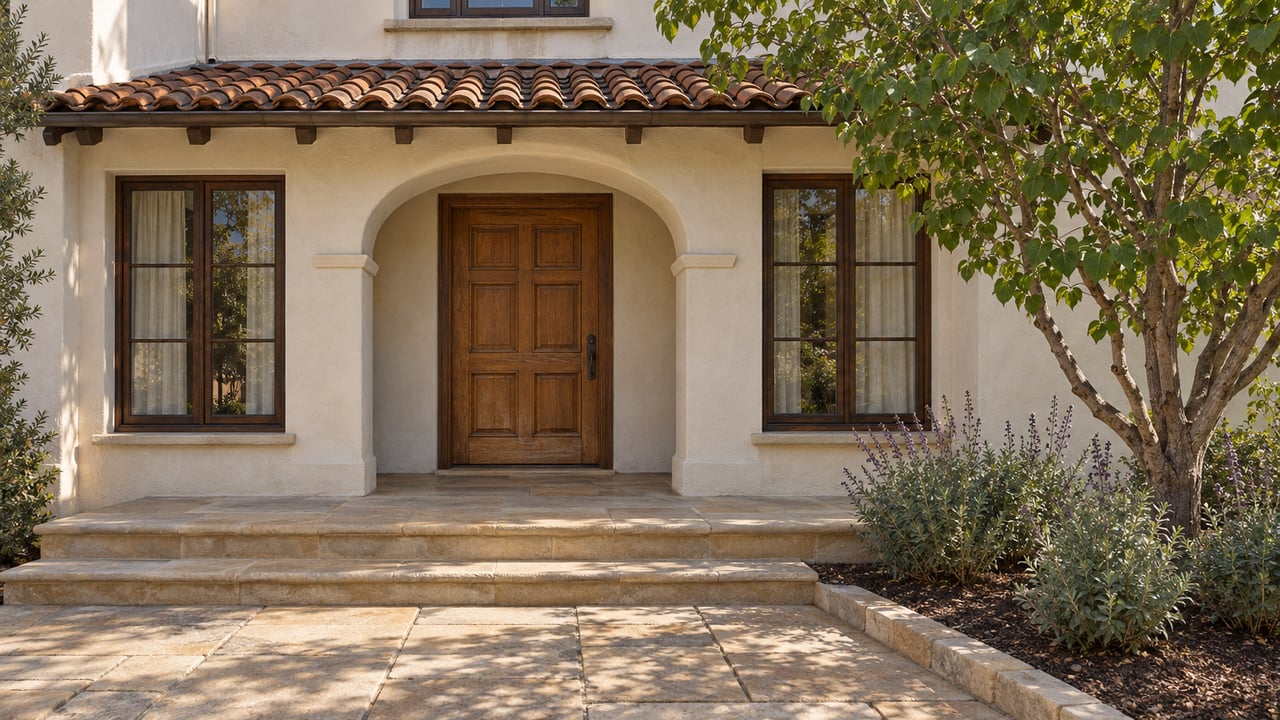
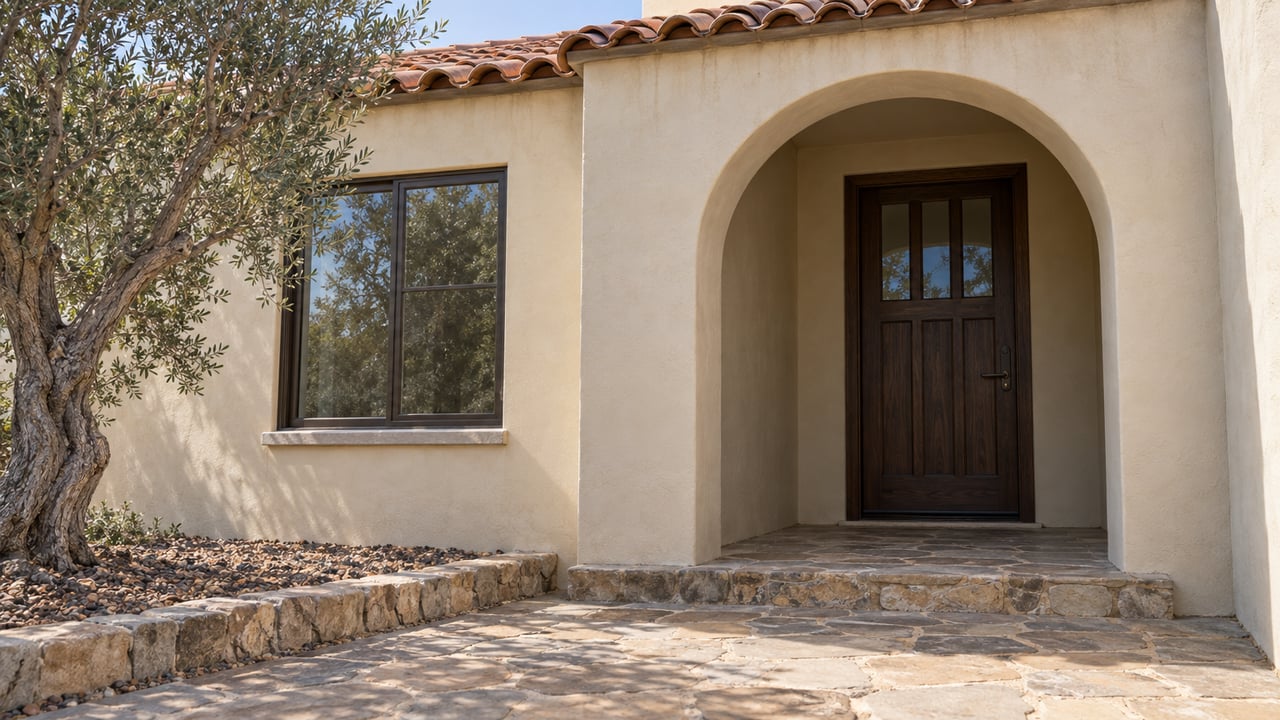
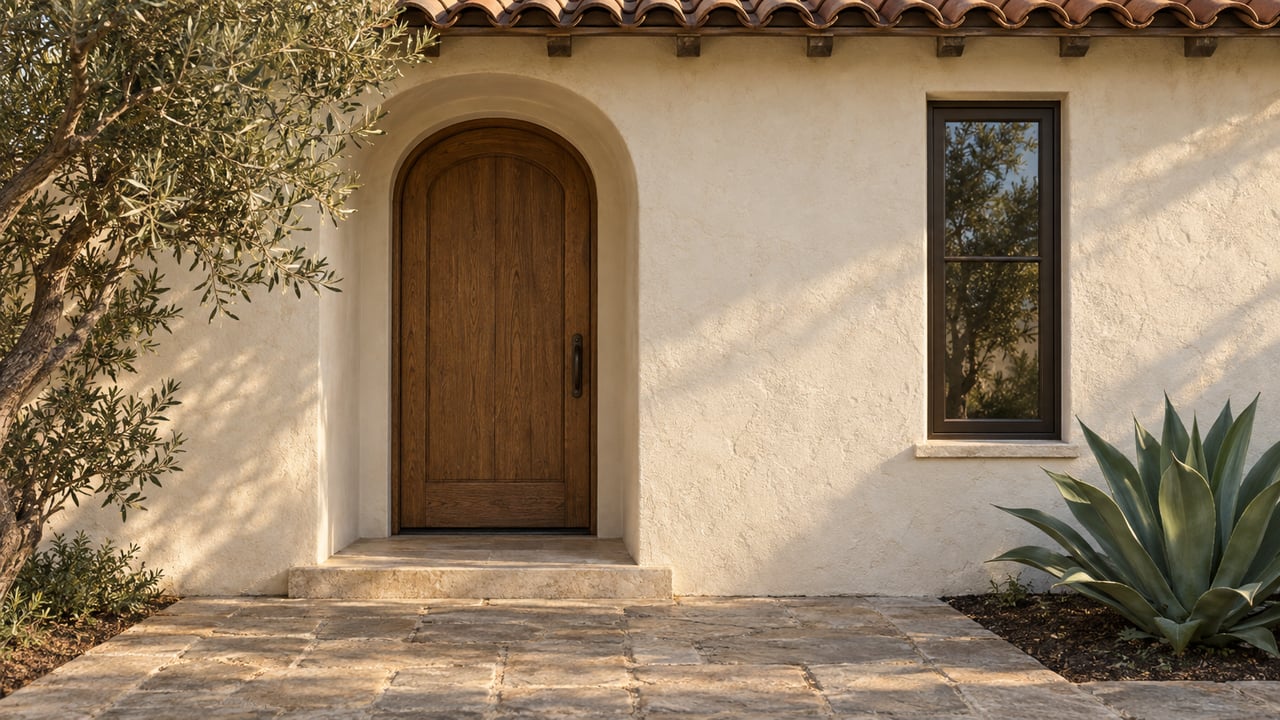
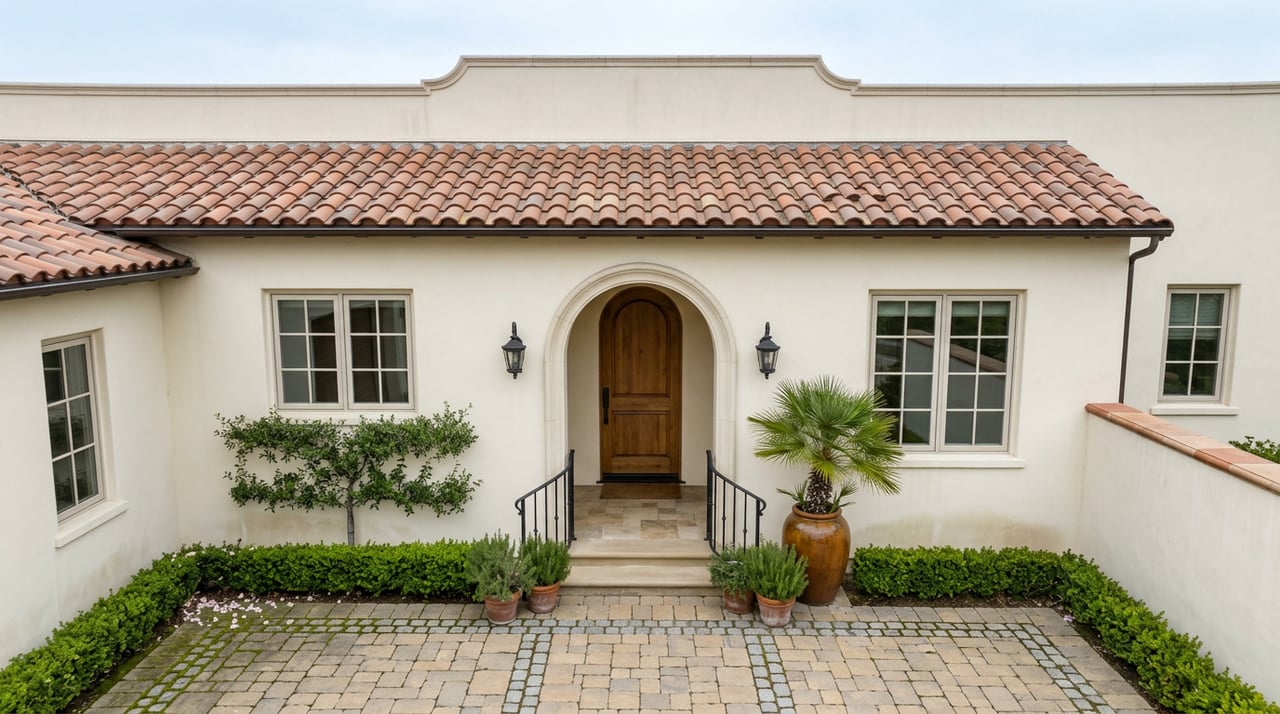
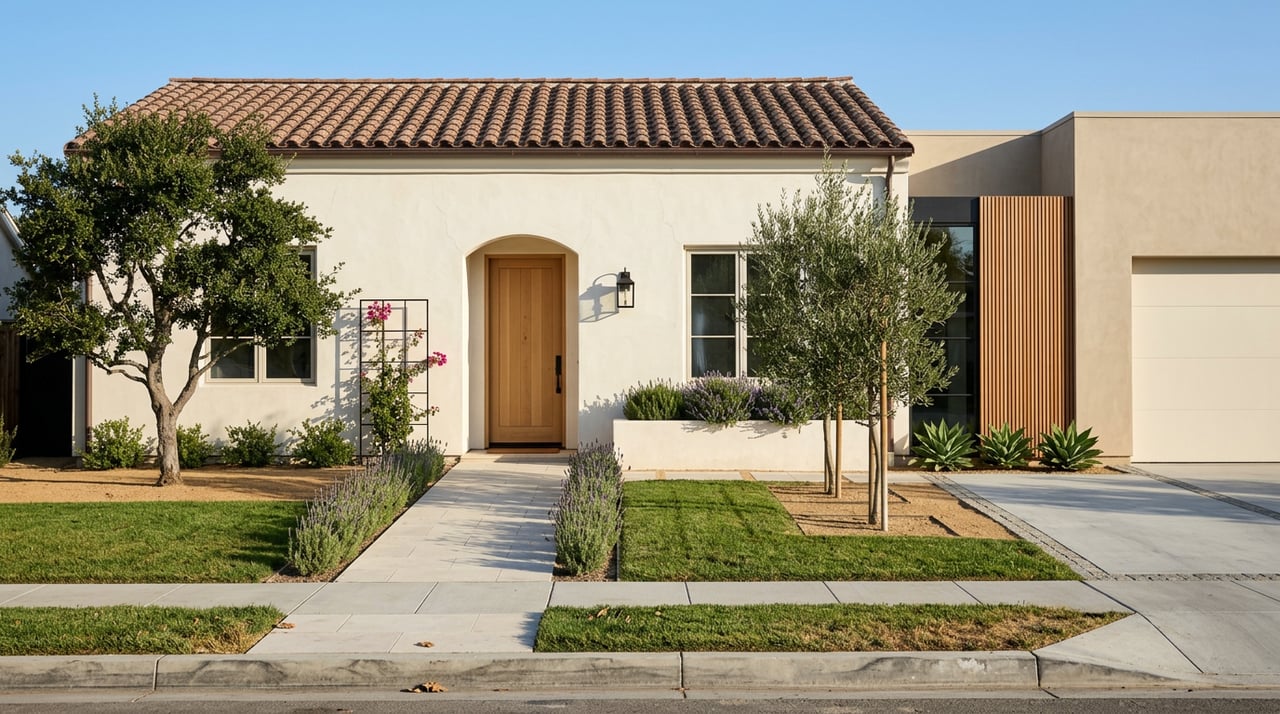
Across older Glendora neighborhoods you will spot stucco exteriors, red clay tile roofs, arched entries, and intimate courtyards. These Spanish and Mediterranean influences are part of the region’s broader architectural vocabulary and feel at home on both level lots and hillside parcels.
Floor plans and features
Expect formal living and dining rooms, 2 to 4 bedrooms depending on additions, and indoor-outdoor connections through patios or arcades. Homes & Gardens offers an accessible look at how these era styles evolved across Southern California, which helps you recognize authentic details during a drive-by or showing.
Postwar ranch and mid-century homes
The everyday Glendora layout
Much of central and southern Glendora was built out after World War II, so single-story ranch plans are common. You’ll see attached garages, larger backyards, and living areas that open to patios and pools. Some homes lean mid-century modern, with low rooflines and large picture windows that bring the outdoors in. If you want a deeper dive on the aesthetics behind mid-century modern, the overview here is a helpful starting point.
Why buyers love them
Ranch and mid-century homes are flexible for today’s lifestyles. Many already have semi-open living, and their broader lots often accommodate pools, outdoor kitchens, or an accessory dwelling unit with the right planning and permits. If you prefer a single-story layout or want room to expand, this category is a strong match.
Newer builds and thoughtful infill
What to expect
From the early 2000s to today, Glendora has added two-story, open-plan homes with spacious primary suites, modern kitchens, and larger garages. Exteriors range from Mediterranean to Contemporary and Neo-Craftsman. Many projects follow design guidance that protects the city’s “historic foothill” character, especially in specific plan areas.
Where to look
You’ll find these homes in scattered infill sites and planned neighborhoods. The City’s Village on the Green Specific Plan is one example of how new development is shaped to fit local context. If you want modern systems and more square footage right away, this is your lane.
Foothill estates and gated enclaves
Big views and custom design
North Glendora climbs into the foothills, where large custom homes and gated communities offer panoramic valley and city-lights views. You’ll see a mix of Mediterranean, Contemporary, and highly customized designs on larger lots. Expect multiple ensuite bedrooms, spacious kitchens, dedicated media or fitness spaces, multi-car garages, and resort-style yards.
Hillside due diligence
Before you make an offer, review fire-safety and slope-related factors. Portions of Glendora’s foothills are included in updated Fire Hazard Severity Zone maps. That can affect defensible-space requirements and some permit considerations. Start with the City’s Fire Hazard Severity Zones update to understand what to check at the parcel level and which departments to contact for current standards.
Your Glendora style map
Use this simple mental map when you plan a weekend tour.
- Glendora Village and historic core: prewar Victorians and Craftsman bungalows, walkable blocks, and restored examples. The City’s Historic Preservation resources are a good companion as you explore.
- Central and south Glendora: the broadest supply of single-story ranch and mid-century homes with larger yards and potential for outdoor living upgrades.
- North Glendora foothills: newer custom estates, view homes, and gated pockets with larger lots and private drives.
- Scattered infill sites: newer two-story homes built under specific plans that blend modern living with local character.
Floor plan cheat sheet
- Bungalows and Craftsman: 1 to 1.5 stories, often 800 to 1,800 square feet in original footprints, 2 to 3 bedrooms, connected living and dining, built-ins and a focal fireplace. See this Architectural Digest primer for common design cues.
- Ranch and mid-century: usually single-story with 3 to 4 bedrooms and open or semi-open living areas, attached garages, and lots that can support pools or future ADUs with proper approvals. Mid-century versions may feature vaulted ceilings or clerestory windows. For context on mid-century traits, this overview is useful.
- Contemporary two-story infill: 3 to 5 bedrooms, open kitchens that flow to family rooms, primary suites upstairs, and 2 to 3 car garages. Many are guided by local specific plans to maintain a cohesive neighborhood feel.
- Foothill estates: multiple ensuite bedrooms, flexible bonus rooms, expansive kitchens, multi-car garages, and outdoor spaces oriented to views, often on larger lots.
Buyer checklist by style
- Historic checks near the Village. Confirm if a property is locally designated or contributes to a historic district, and understand Certificate of Appropriateness steps for exterior changes. Start with the City’s Historic Preservation page.
- Inspections for older homes. Plan for thorough inspections of electrical, plumbing, roof, and foundation. Consider specialists for historic materials when needed. This guide to buying a historic home outlines common cost factors and due diligence tips.
- Hillside and wildfire readiness. For foothill properties, verify the parcel’s current Fire Hazard Severity Zone status, defensible-space obligations, and any permit implications. See the City’s Fire Hazard Severity Zones update for details.
- Financing and insurance notes. Historic or highly unique homes can face appraisal and insurance nuances. Rehab financing, such as FHA 203(k) or similar products, may help you update while you buy. This article on purchasing historic homes covers key considerations to discuss with your lender and insurer.
Local color that tells a story
Glendora’s built environment reflects a creative past. The quirky and beloved Rubel Castle is a folk-art landmark that nods to the city’s independent spirit. Centennial Heritage Park also connects today’s neighborhoods to Glendora’s citrus-era roots with preserved and reconstructed structures that bring early 20th-century life into focus.
If you want help matching your wish list to the right Glendora home style, you do not have to figure it out alone. With hands-on renovation insight, polished staging, and deep local knowledge, we will guide you from first tour to final close with clarity. Ready to explore homes that fit your style and budget? Reach out to Shannon Brady for a consult.
FAQs
What home styles are most common in Glendora?
- You will most often see Craftsman bungalows near the Village, postwar ranch and mid-century homes through central and southern areas, and custom view estates in the foothills to the north.
How can I spot an authentic Craftsman bungalow in Glendora?
- Look for low-pitched gabled roofs, wide eaves with exposed rafter tails, generous front porches with tapered columns, built-in interior cabinetry, and a connected living and dining layout, as outlined in this Architectural Digest guide.
Are foothill homes in Glendora in a fire hazard zone?
- Portions of the foothills are included in updated Fire Hazard Severity Zone maps, which can affect defensible-space rules and some permits, so review the City’s Fire Hazard Severity Zones update and confirm parcel specifics with local officials.
What should I inspect on older Glendora homes?
- Plan for a licensed general inspection plus focused reviews of electrical, plumbing, roof, and foundation, and consider specialists for historic materials when appropriate, as recommended in this historic home buying guide.
Where can I find newer two-story homes in Glendora?
- Look for recent infill and planned neighborhoods shaped by local specific plans, such as the Village on the Green framework, which guide modern layouts that respect local character.