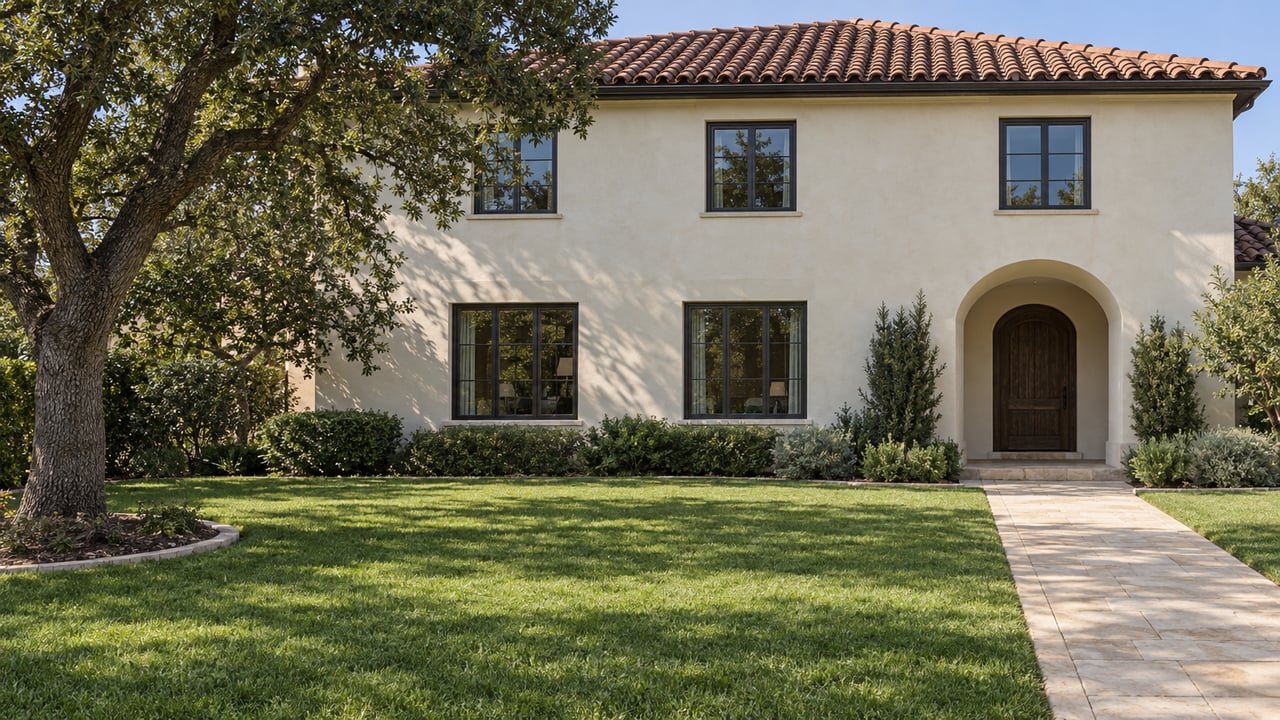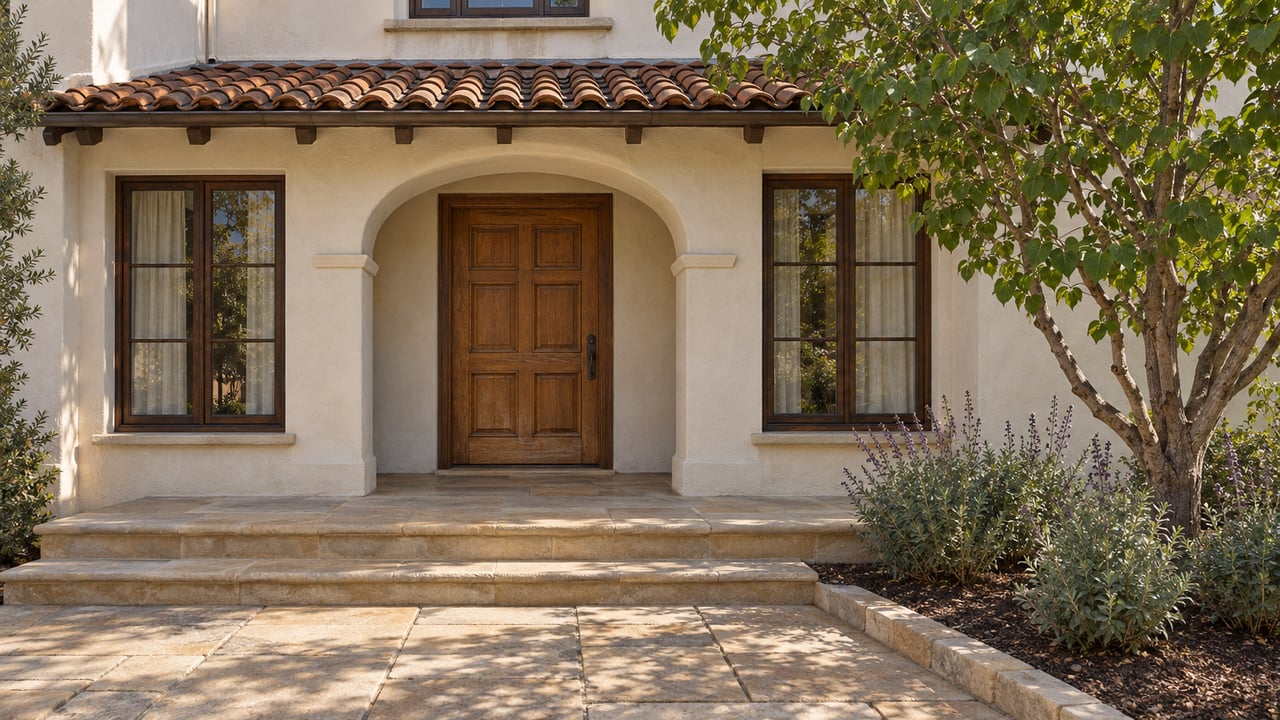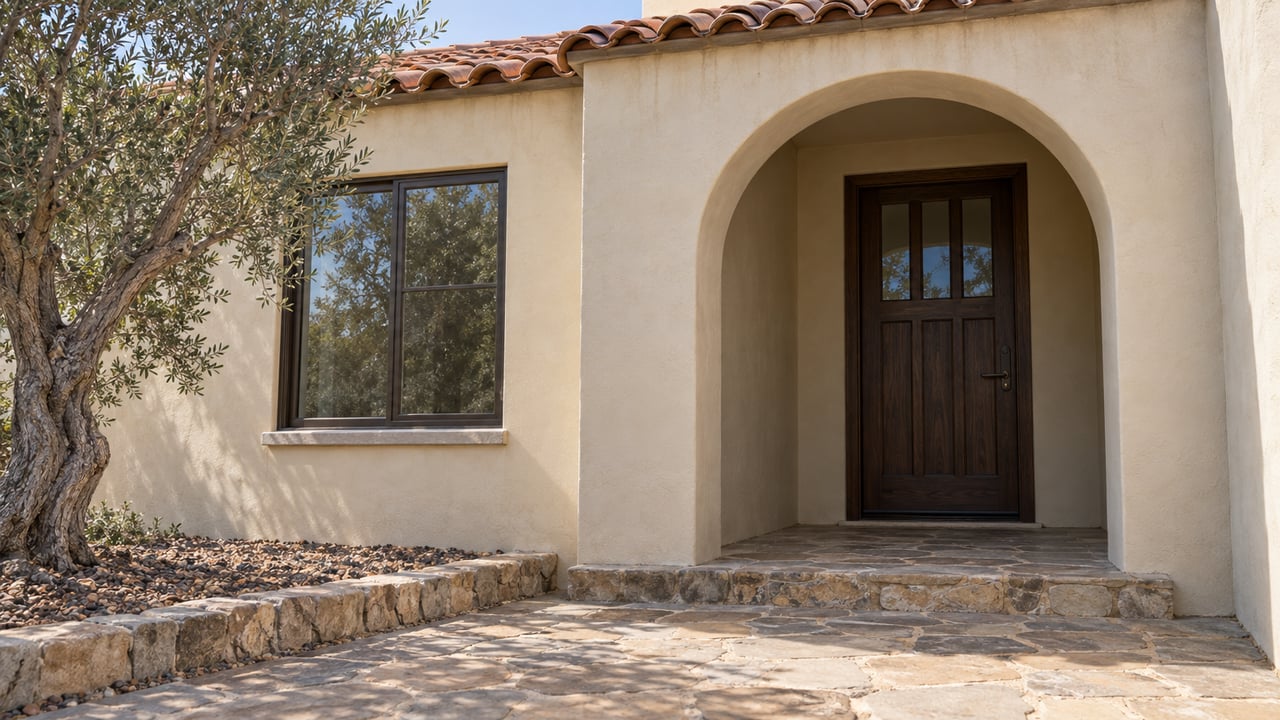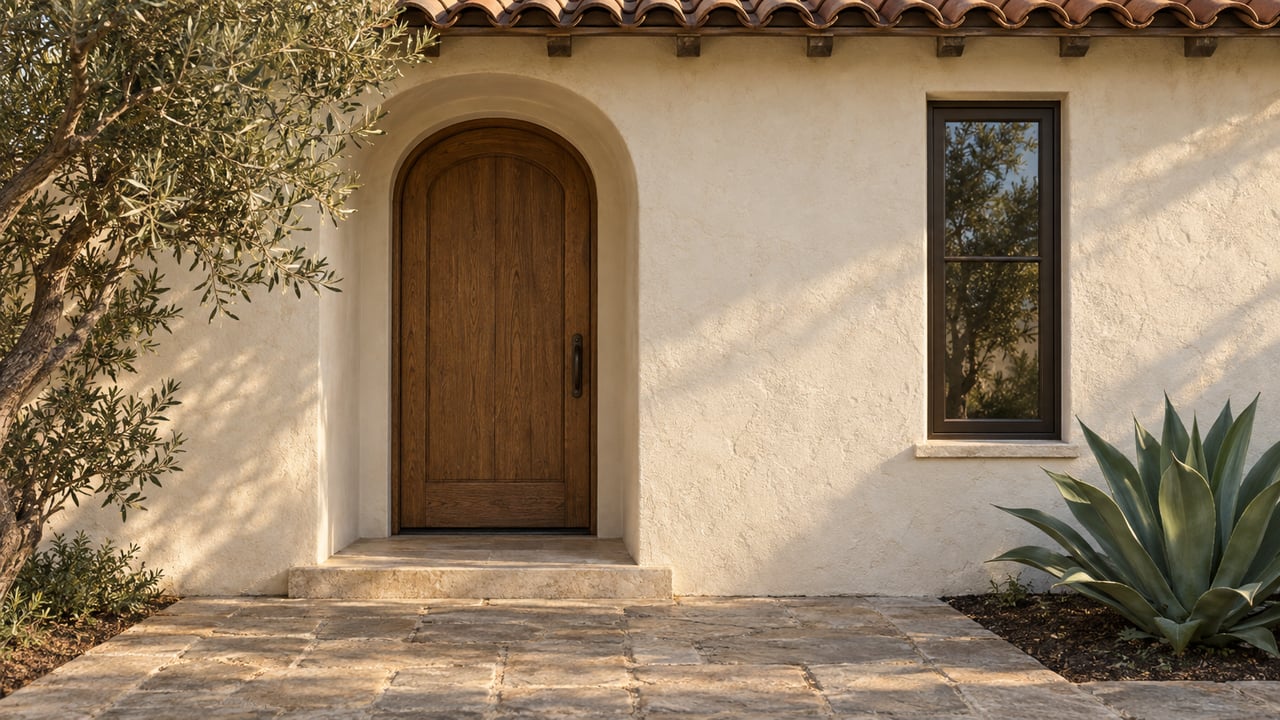
If you have been comparing Inland Empire foothill cities from a laptop, Upland looks straightforward. One median price, one school district, one line on the map. In June 2026 the citywide list median sat at roughly $750,000, with Zillow's broader home value index closer to $822,580. Pick a budget, pick a house.
That framing costs buyers real money in Upland, because the city is not one market. It is at least four, and the sub-market you write your offer in determines your lot size, your tax basis, and in one case whether you are even paying an Upland address for Upland services.
Four Uplands sitting under one number
The citywide median flattens a range that is unusually wide for a small foothill city. North Upland runs to a median around $1.14 million according to NeighborhoodScout, with the highest concentration of ranch homes on lots between 10,000 and more than 20,000 square feet. Historic Downtown Upland listed at a $599K median in October 2025, driven by smaller Craftsman and bungalow footprints on tight blocks close to Second Avenue. Central and South Upland typically sit on 6,000 to 8,500 square foot lots and carry the citywide median down. San Antonio Heights, the pocket north of 24th Street against the Angeles National Forest, is a category of its own, and it is not technically Upland at all.
| Sub-market | Typical lot | Approx. median (recent) | What the price signals |
|---|---|---|---|
| San Antonio Heights (CDP) | 10,000 to 20,000+ sf | High, driven by acreage and privacy | County services, private water |
| North Upland | 10,000 to 20,000+ sf | ~$1.14M | Ranch stock, mature trees, mountain views |
| Central / South Upland | 6,000 to 8,500 sf | Around or below the $750K city median | Post-war tract, closer to commercial corridors |
| Historic Downtown Upland | Small urban lots | ~$599K (Oct 2025) | Craftsman and bungalow stock, Mills Act eligibility |
The practical read on the table is this. A buyer who searches "Upland under $750K" and expects the middle of the market is really shopping the bottom half of North Upland listings, most of Central and South Upland, and the majority of Historic Downtown. The North Upland ranch that first sold the buyer on the city is a different budget.
The San Antonio Heights line most out-of-area buyers miss
Drive north on Euclid past 24th Street and the streetscape gets quieter, the lots get deeper, and the address is still written "Upland, CA 91784." The jurisdiction is not. San Antonio Heights is a census-designated place in unincorporated San Bernardino County, with a 2020 population of 3,441 sitting on 2.6 square miles against the national forest boundary.
For a buyer, that boundary changes four things at once:
- Public safety. Sheriff and Fire come from San Bernardino County, not the City of Upland. Structure fire response is anchored at Station 12.
- Water. The private San Antonio Water Company serves the Heights, with a shareholder structure that residents have actively worked to keep in local hands. That is a very different billing and governance relationship than a City of Upland water account.
- Trash and civic services. Burrtec handles the Heights under a separate San Bernardino County account line.
- Civic voice. The San Antonio Heights Association, its monthly board meetings at Life Bible Fellowship Church, and the San Antonio Heights Gazette are the practical channel for community issues. County decisions on the Heights route through the Countywide Plan process rather than Upland City Council.
None of that is a value judgment. Plenty of buyers want the county service package and the semi-rural land use that comes with it. The friction shows up when a buyer assumes an Upland address means Upland services, and then discovers at closing that their water shares, trash contract, and emergency response all sit under a different set of agencies. Read the County's community profile for San Antonio Heights and the San Antonio Heights Association site before you write an offer above the city line. The paper trail on the offer will look different.
The tax mechanic that changes the math on a Craftsman
The other sub-market with a hidden lever is Historic Downtown. Upland has nine designated historic districts, including Old Magnolia, Pleasant View, Victorian Row, Stowell, Civic Center East, and Arrow/Laurel. If a home is a contributing structure in one of those districts, or is individually listed on the National Register, the Mills Act can rewrite the property tax basis.
The Mills Act is a 1972 California statute that lets a city contract with the owner of a qualified historic property to assess the home by the income method rather than by market comparables. In practical terms, the California Office of Historic Preservation and Upland Heritage both describe savings that typically run from about 20% to as much as 75% of the annual property tax bill, in exchange for a ten-year commitment to preserve the property under the Secretary of the Interior's Standards. The contract renews automatically each year and, critically for a buyer, transfers with the property when it sells.
Three points make this matter for offer strategy in Historic Downtown:
- A Mills Act contract already recorded on a home is a real, quantifiable annual savings that carries to the new owner. It should be verified in escrow, not assumed from the listing remarks.
- A qualifying property without a contract yet is an option the new owner can pursue after close. That option has value, but it also comes with maintenance obligations and periodic inspections.
- Because the assessment shifts to an income approach, the biggest benefit tends to land on recent purchases at market prices. A long-tenured owner sitting on a low Prop 13 basis may see little Mills Act savings, which is why the contract does not appear on every eligible home.
If you are looking at a 1924 Craftsman near San Antonio Regional Hospital or a bungalow off Second Avenue, the address is doing work the citywide median cannot see. The City of Upland historic homes page and Upland Heritage's Mills Act summary are the two documents to open before your inspection contingency runs.
Why the housing-stock number explains the price spread
Roughly 27% of Upland's housing stock was built between 1940 and 1969, an unusually high share for the Inland Empire. That single fact drives most of the sub-market pattern above.
Cities built in one era, like large parts of Rancho Cucamonga's master-planned Etiwanda and Terra Vista tracts from the 1980s and 1990s, produce uniform two-story floor plans on similar-sized lots. Pricing bunches. Upland's older bones produce the opposite. You can find a 1,100 square foot post-war bungalow near downtown, a 3,200 square foot custom ranch on a half-acre in North Upland, and a mid-century tract three-bedroom in South Upland, all within the same city limits and the same school district. The wider the era spread, the wider the price spread inside a single median.
That is why "average days on market" numbers for Upland can look sluggish while a well-priced single-story in North Upland attracts multiple offers in under thirty days. There is no single Upland market moving at one speed. There are four, and they are moving at four different speeds at any given time.
Two moves before you write an offer
- Confirm the jurisdiction on the address, not just the ZIP. 91784 straddles the San Antonio Heights CDP and North Upland. Ask the listing agent, in writing, which fire, sheriff, water, and trash accounts serve the parcel. If it is the Heights, model the water and County service costs separately.
- Pull the historic status before the inspection period ends. If the home sits in one of the nine districts, ask whether a Mills Act contract is already recorded on the parcel with the San Bernardino County Assessor. If yes, get the annual savings quantified. If no, decide whether the ten-year preservation commitment fits your renovation plans before the number goes into your affordability math.
FAQ
Is a lower Historic Downtown price a compromise on quality? Not on structure, on scale. The homes are smaller and older, often 1,100 to 1,800 square feet on urban lots. Many were built with materials and craftsmanship that would be expensive to replicate today. The trade is footprint and lot size for character and, in many cases, a Mills Act tax basis.
Does San Antonio Heights use Upland Unified schools? Yes. The Heights sits inside Upland Unified School District boundaries even though its municipal services come from San Bernardino County. That split, city schools with county services, is the specific detail that surprises buyers most often.
What about new construction downtown? City Ventures has been building Towns on First, a small community of solar-powered townhomes in the heart of Historic Downtown, listing in the high $500s. New construction inside a historic district is a different product than the Craftsman stock around it, and it will not qualify for the Mills Act. It is worth comparing side by side rather than lumped into the same downtown median.
The larger point is simple. In Upland, the address on the purchase agreement is doing more work than the citywide median suggests. Get the sub-market right, confirm the jurisdiction, and check the historic status, and the same budget can buy meaningfully different homes.
If you are weighing offers across North Upland, Historic Downtown, or the Heights and want a read on which sub-market fits your budget and timeline, Shannon Brady Realty works these blocks every week and can walk you through the paperwork before you write. Get an Instant Home Valuation to anchor your search against a real number for your specific street.