Wondering why some Glendora homes attract strong interest right away while others sit and chase the market? If you are planning to sell, pricing is one of the biggest decisions you will make, and in today’s market, small mistakes can cost you time and money. The good news is that a smart pricing strategy is not about guessing high or picking a round number. It is about reading the market clearly, understanding your home’s position, and presenting it well from day one. Let’s dive in.
Why pricing matters in Glendora right now
Glendora is active, but buyers are paying close attention to value. Recent local data show homes can move quickly when priced well, with Zillow reporting homes going pending in about 17 days as of April 30, 2026. At the same time, Redfin and Realtor.com both reported median days on market closer to 40 days, which suggests pricing and presentation make a real difference.
The numbers also show a gap between what sellers list for and what buyers actually pay. Zillow reported a median list price of $1,034,833 and a median sale price of $854,000, while Realtor.com showed a median listing price of $999,999 and a median sold price of $850,000. Taken together, that points to a market where ambitious pricing can sit, while realistic pricing has a better chance of creating early traction.
Mortgage rates are part of the story too. Freddie Mac reported the average 30-year fixed rate at 6.36% on May 14, 2026. That means buyers are often more payment-sensitive than they were in lower-rate periods, so an overpriced home can lose attention fast.
Start with sold comps, not wishful thinking
The best place to begin is with recent comparable sales. Fannie Mae says the strongest indicators of value are comparable homes with similar physical and legal characteristics, ideally in the same neighborhood when available. Closed sales matter most because they show what buyers were actually willing to pay, not just what sellers hoped to get.
Fannie Mae also notes that comparable sales should generally be from the last 12 months, with three closed comparables as the minimum in the sales comparison approach. Active listings and pending sales can help support the analysis, but they are not the foundation of value. If you want a realistic list price, you need to lead with sold data.
That is one reason citywide averages can be misleading. Zillow’s ZIP-level medians show a major spread inside Glendora, with 91740 at $850,000 and 91741 at $1,134,500. Your home should be priced against its immediate competition, not folded into a broad city average that may not reflect your setting, lot, or property type.
Why Glendora micro-markets matter
Not every part of Glendora competes on the same terms. The city’s General Plan shows that a large share of Glendora’s land is designated for hillside and lower-density residential use, and it notes that the foothills are the city’s main area for significant development potential. That means location inside Glendora can affect buyer expectations in a big way.
Foothill homes are often judged on setting, views, privacy, and lot character. At the same time, city planning and safety documents note that hillside areas can involve slope, drainage, and geologic considerations. In practical terms, some buyers may pay a premium for a foothill setting, while others may weigh maintenance, access, and risk perception more carefully.
Interior or valley-floor homes often compete a little differently. For these homes, buyers may focus more on usable outdoor space, convenience, and access to key corridors such as Grand Avenue, Foothill Boulevard, North Glendora Avenue, Route 66, and Arrow Highway. That is why pricing one Glendora home based on another across town can lead you off course.
Condition has a direct effect on price
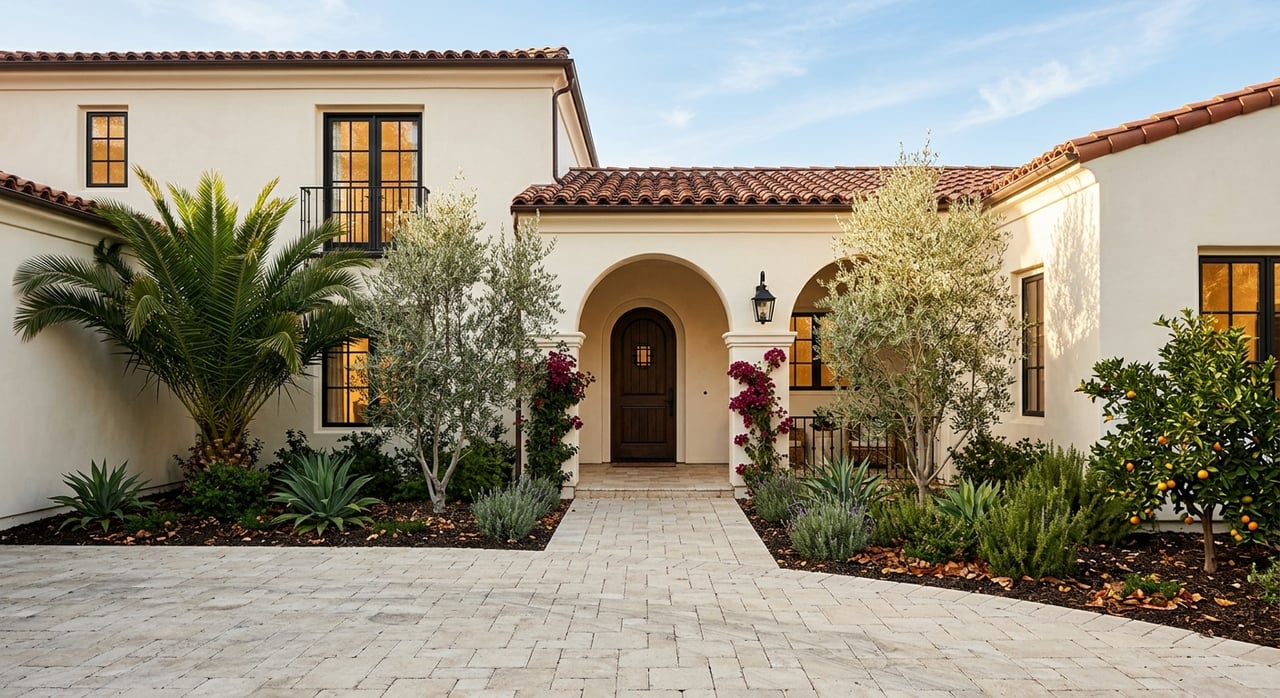
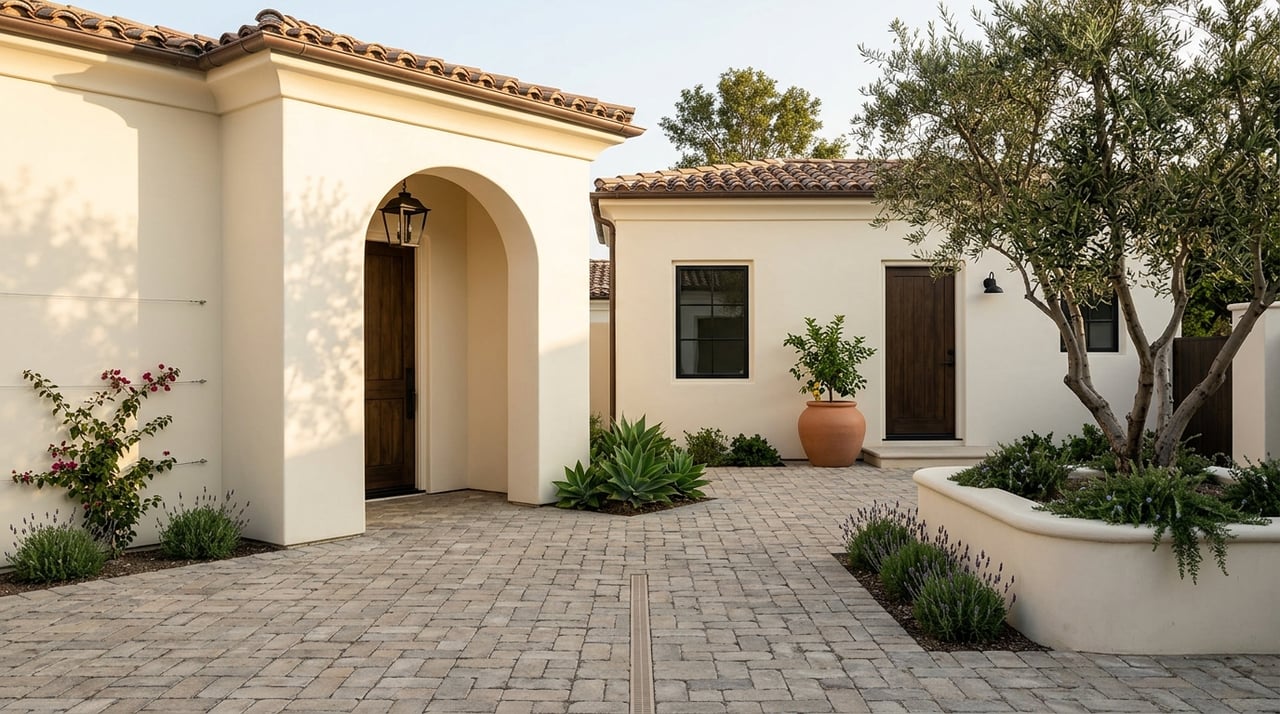
Condition is not a side note in pricing. Fannie Mae and NAR both treat condition as a core part of value, right alongside location and comparable sales. If your home has deferred maintenance, dated finishes, or weaker curb appeal, buyers will usually factor that in quickly.
The opposite is also true. If your home is clean, updated, and easy to show, you may be better positioned to protect your asking price and generate stronger early interest. In a market where homes are often selling near list rather than far above it, condition can make the difference between a smooth launch and a stale listing.
This is where a hands-on pricing strategy matters. Instead of simply picking a number and hoping for the best, it helps to evaluate which improvements will actually support value. Thoughtful prep can strengthen your pricing position before your home ever hits the market.
Presentation supports value realization
Pricing and presentation work together. NAR’s 2025 staging report found that 29% of agents said staging led to a 1% to 10% increase in the dollar value offered, and 49% said staging reduced time on market. The same report found that 83% of buyers’ agents said staging made it easier for buyers to picture the property as a future home.
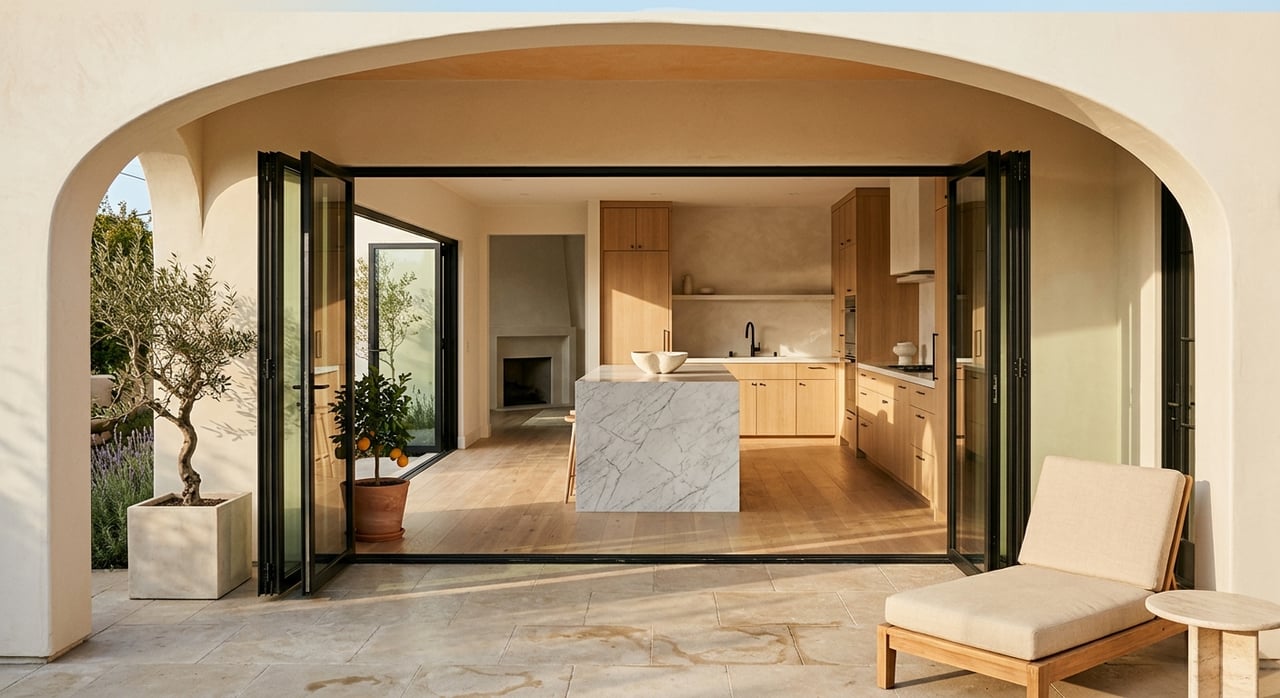
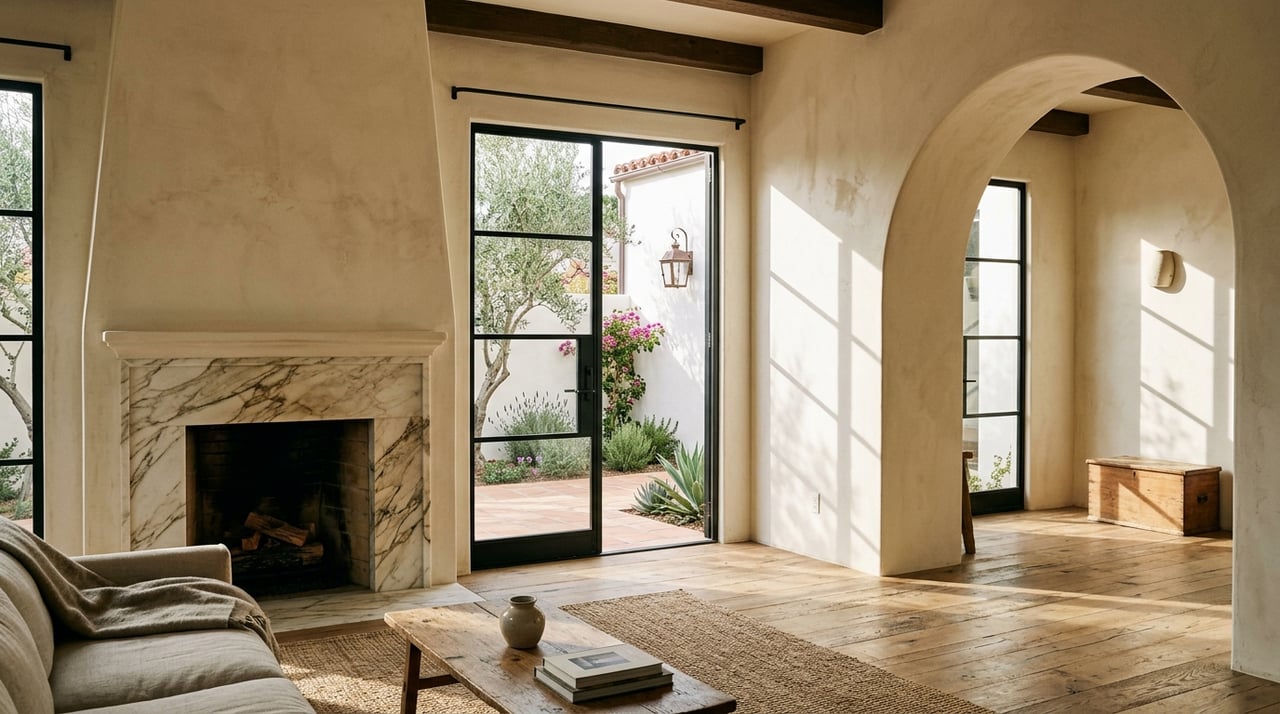
That matters because buyer attention is strongest when a listing is new. If your photos are sharp, the home is decluttered, and the overall presentation feels move-in ready, buyers are less likely to mentally discount the property. In a near-list market like Glendora, that early impression can help protect your pricing strategy.
NAR also reported that the most common preparation recommendations were:
- Decluttering
- Cleaning the entire home
- Improving curb appeal
For marketing, buyers’ agents ranked these as highly important:
- Photos
- Physical staging
- Videos
- Virtual tours
For many sellers, this is where expert guidance can create real value. A boutique approach that includes staging insight, renovation know-how, and strong visual marketing can help your home compete more effectively from the start.
Should you price high to leave room to negotiate?
In today’s Glendora market, that approach deserves caution. Some homes do sell above list. Zillow said 44.3% of March 2026 sales were over list, and Redfin reported 40.5% sold above list. But those figures do not mean every home should aim high.
The broader picture still shows sale prices clustering near list or slightly below, depending on the source. Realtor.com reported a 99% sale-to-list ratio in April 2026. That suggests buyers are willing to pay close to asking when they believe the price is fair, but not necessarily far beyond it.
If you price too high, you may not create more negotiating room. You may simply reduce showings, weaken momentum, and invite later price cuts. A strong launch usually beats a slow correction.
A practical way to price your Glendora home
If you are trying to land on the right number, focus on a simple process that blends data, local context, and presentation.
Review recent nearby sales
Start with closed sales from the past year, especially homes that match your home in size, style, lot type, and location. If possible, look for properties within your immediate area rather than using broad Glendora averages.
Compare active and pending competition
Active and pending listings do not set value by themselves, but they show what buyers are seeing right now. This can help you position your home competitively if similar listings are already on the market.
Adjust for your exact setting
A foothill lot, interior tract location, corner placement, outlook, and access can all affect how buyers compare homes. Glendora has meaningful price variation within the city, so these differences should be part of the pricing conversation.
Be honest about condition
Look carefully at updates, repairs, curb appeal, and how move-in ready the home feels. If your home needs work, the price should reflect it. If your home shows beautifully, that can help support a stronger list price.
Prepare before you launch
Decluttering, cleaning, small repairs, staging, and quality photography can all support better first impressions. In many cases, these steps help sellers avoid the kind of weak debut that leads buyers to assume the home is overpriced.
Match price to your timing goals
NAR notes that pricing strategy should also reflect supply, demand, interest rates, and the seller’s timeline. If your goal is to sell within a specific window, that should shape the final list price just as much as the raw data.
The bottom line on Glendora pricing
The best price for your Glendora home is not the highest number that sounds good. It is the number that reflects recent sales, local competition, your home’s condition, and the way buyers are behaving right now. In a market that is competitive but price-sensitive, accurate pricing is one of the clearest ways to protect both your time and your net proceeds.
When you combine smart pricing with thoughtful preparation and polished marketing, you give your home a better chance to stand out early. That is especially important in a city like Glendora, where micro-market differences and property-specific details can shape value in a big way.
If you are thinking about selling and want a pricing strategy built around your home’s exact location, condition, and presentation potential, connect with Shannon Brady for a personalized next step.
FAQs
How should I price my Glendora home in today’s market?
- Use recent comparable sales, your home’s condition, your exact location within Glendora, and current competition to set a data-driven list price.
Are Glendora homes still selling quickly?
- Some are, especially when they are priced well and presented strongly, but local reports also show many homes taking around 40 days on market.
Should I price my Glendora home above market value to negotiate?
- Current local data suggest caution because overpricing can reduce early interest and lead to more time on market or later price cuts.
Does home condition affect pricing in Glendora?
- Yes, condition is a core part of value, and repairs, updates, curb appeal, and staging should all be reflected in your pricing strategy.
Do foothill homes in Glendora price differently than interior homes?
- Often, yes. Foothill homes may be compared more on views, setting, and lot character, while interior homes may compete more on convenience, usable space, and access.
Can staging help support my Glendora list price?
- NAR’s 2025 staging report suggests staging can improve buyer perception, reduce time on market, and in some cases increase the dollar value offered.