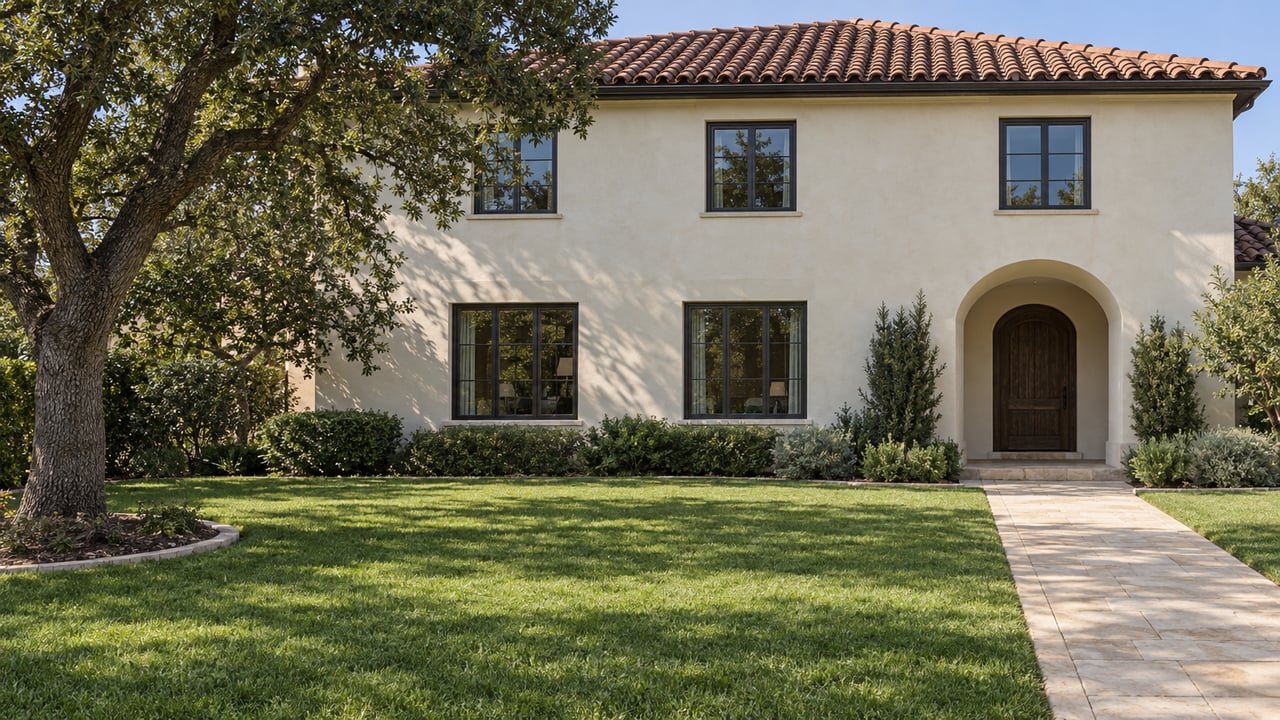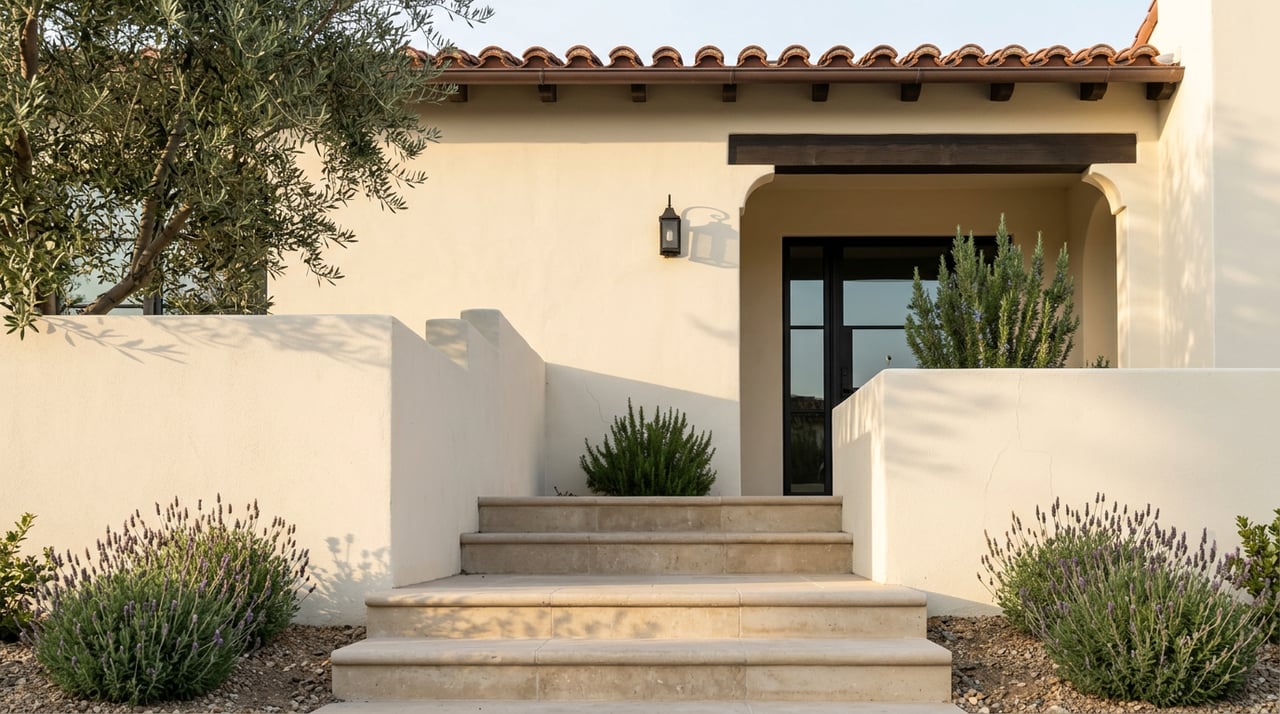
A buyer looking at a lot in Via Verde Ridge last year had a plan: buy the view, level the backyard, add the pool. Then they found out about the grading limit.
The San Dimas Community Post reported that Specific Plan 11, the zoning overlay that governs much of the Via Verde Ridge hillside, was written in 1983 with a simple rule. No grading beyond what the main residence and driveway require. Not a flat yard. Not a terraced garden. Just the house and the way in. That rule has been the subject of an unresolved fight between the San Dimas City Council and the Via Verde Ridge Homeowners Association for years, and it is the kind of detail that never shows up on a listing sheet. It only shows up once you're standing on the lot with a landscaper, asking why the plan you had in mind isn't as simple as writing a check.
That dispute is a good entry point into something bigger happening in San Dimas right now. The citywide median looks calm. Underneath it, at least two very different markets are showing distinct price and inventory patterns, and the hillside grading fight is one small symptom of a larger pattern worth understanding before you write an offer anywhere in this city.
The Number That Looks Calm From the Street
Over the three months ending May 2026, the median sale price across San Dimas sat at $898,000, up just 0.3% from the same period a year earlier. Price per square foot moved a bit more, up 1.5% to $545. Homes took 39 days to sell on average, a few days slower than the 34-day pace from a year prior.
Read on its own, that's a market in a holding pattern. Slight price growth, slightly longer time on market, nothing dramatic. If you stopped there, you'd assume San Dimas is doing roughly what most of the region is doing this year: cooling gently, staying close to flat.
You'd be missing the two submarkets doing the actual work underneath that number, where headline prices are rising while price per square foot is falling in both.
What's Actually Trading Two Blocks From City Hall
On September 19, 2025, Metro opened the San Dimas Station on the A Line, sitting on San Dimas Avenue near its intersection with Bonita Avenue, right in the historic downtown core. The station cut travel time to Pasadena to roughly 28 minutes and to downtown Los Angeles to under an hour, a real change for anyone who's spent a morning stuck on the 210.
The Downtown submarket has responded the way you'd expect a transit-adjacent pocket to respond. In the most recent month reported in a June 2026 market update, the average house price in Downtown San Dimas was $878,000, up 9.7% year over year. Homes there are selling in about 26.5 days on average, and the area now scores 76 out of 100 on a standard competitiveness scale, meaning multiple offers and waived contingencies are common.
Here's the part that doesn't fit the easy story. Price per square foot in Downtown fell 2.6% over the same period, landing at $499. Prices are up, sales are fast, and the value of each square foot is quietly going down.
That's not a contradiction once you think about what's actually selling. A transit station doesn't make every square foot of a house worth more. It makes proximity worth more. If smaller or older homes near the platform are what's trading this year, average price rises because buyers are paying a premium to be close to the train, even while the underlying square footage is worth slightly less than it was twelve months ago. The station is pulling price up. It isn't pulling value up evenly across the housing stock.
What the Canyon's Numbers Reveal
San Dimas Canyon, the hillside area tucked against the golf course and the foothills, shows the same split in a different shape. Over the three months ending June 2026, the median sale price there hit $1.16 million, up 30.3% year over year. That's the kind of number that makes a seller's agent's phone ring.
But price per square foot in San Dimas Canyon fell 16.3% over that same window, down to $458. Homes there are taking about 42 days to sell, a more relaxed pace than Downtown's frantic 26.5.
A 30% jump in median price with a 16% drop in per-square-foot value isn't appreciation. It's a change in what's on the market. If the homes selling this year in the Canyon are bigger custom builds and view lots, rather than the modest ranch homes that sold a year ago, the median climbs because the mix of inventory changed, not because any individual home gained nearly a third of its value in twelve months. A buyer comparing this year's $1.16 million median to last year's number and concluding the neighborhood appreciated 30% would be comparing two different kinds of houses, not the same house twice.
| Submarket | Price metric | YoY price change | $/sq ft YoY | Days on market |
|---|---|---|---|---|
| San Dimas citywide | $898K median (3 mo ending May 2026) | +0.3% | +1.5% | 39 |
| Downtown / A Line | $878K average (June 2026) | +9.7% | -2.6% | 26.5 |
| San Dimas Canyon | $1.16M median (3 mo ending June 2026) | +30.3% | -16.3% | 42 |
Look at the middle two columns together. In both submarkets that actually drive headlines, price is climbing while per-square-foot value is falling. The citywide figures are much more muted, with the median price up just 0.3% and price per square foot up 1.5%. Neither submarket looks anything like the number that shows up when someone searches "San Dimas median home price."
Grading Rules for Hillside Lots
Back to that hillside lot. Specific Plan 11's 1983-era grading limit sat mostly untested for decades until July 14, 2020, when the San Dimas City Council voted 3-2 to begin the process of amending it. City staff presented a map in September 2020 showing which parcels in Planning Area I would be affected. Days before a scheduled October 13, 2020 study session, the Via Verde Ridge HOA's attorney sent the council a letter arguing that any change to the grading rule would put the HOA's own governing documents in conflict with city code.
The San Dimas Community Post reported that the HOA's attorney warned that any change could leave homeowners paying for what the letter called "meritless lawsuits."
The council voted 4-0, with one member abstaining, to postpone the discussion that day. By March 2021, the council had voted 4-1 to move forward with a text amendment that would allow up to 1,000 cubic yards of grading for Area I properties, a real shift from the original "house and driveway only" standard.
What matters for a buyer today isn't the exact vote count from five years ago. It's that a routine question, how much can I regrade this lot, runs through two separate layers of approval in this pocket of San Dimas: the city's planning division and the HOA's own governing documents, which don't automatically move in lockstep with each other. If you're buying anything inside SP-11's Area I, that's worth a direct question to both parties before you assume a grading plan is as simple as pulling a standard permit.
It's a small, specific friction. It's also a useful reminder that the Canyon and Via Verde submarket isn't just showing unusual price behavior. It's a part of the city with its own layer of rules that a citywide market snapshot will never mention.
What This Means If You're Comparing Addresses
A few things worth carrying into your own search, whichever side of San Dimas you're looking at.
- Compare a home to others in its own submarket, not to the citywide median. A Downtown condo and a Via Verde Ridge estate are not competing in the same market, even though both show up under "San Dimas" on a portal search.
- Ask for the price-per-square-foot trend before assuming a rising median means rising value. In both submarkets covered here, that trend moved in the opposite direction from the headline price.
- If a hillside lot appeals to you, ask the city's Community Development Department and the relevant HOA separately what grading is currently allowed. Don't assume the answer is the same from both.
None of this makes San Dimas a harder place to buy or sell. It makes it a place where the address inside the city matters more than the city-level number, which is exactly the kind of detail that's easy to miss from a portal listing and hard to miss once you've walked the lot.
If you're weighing a purchase or a sale anywhere between Downtown's transit corridor and the Canyon's hillside lots, Shannon Brady Realty can walk the specifics of your address against the submarket it actually belongs to, not the one the median suggests. Start with an instant home valuation and we'll take it from there.
This article is general information, not legal, tax or financial advice. Consult a qualified professional about your situation.