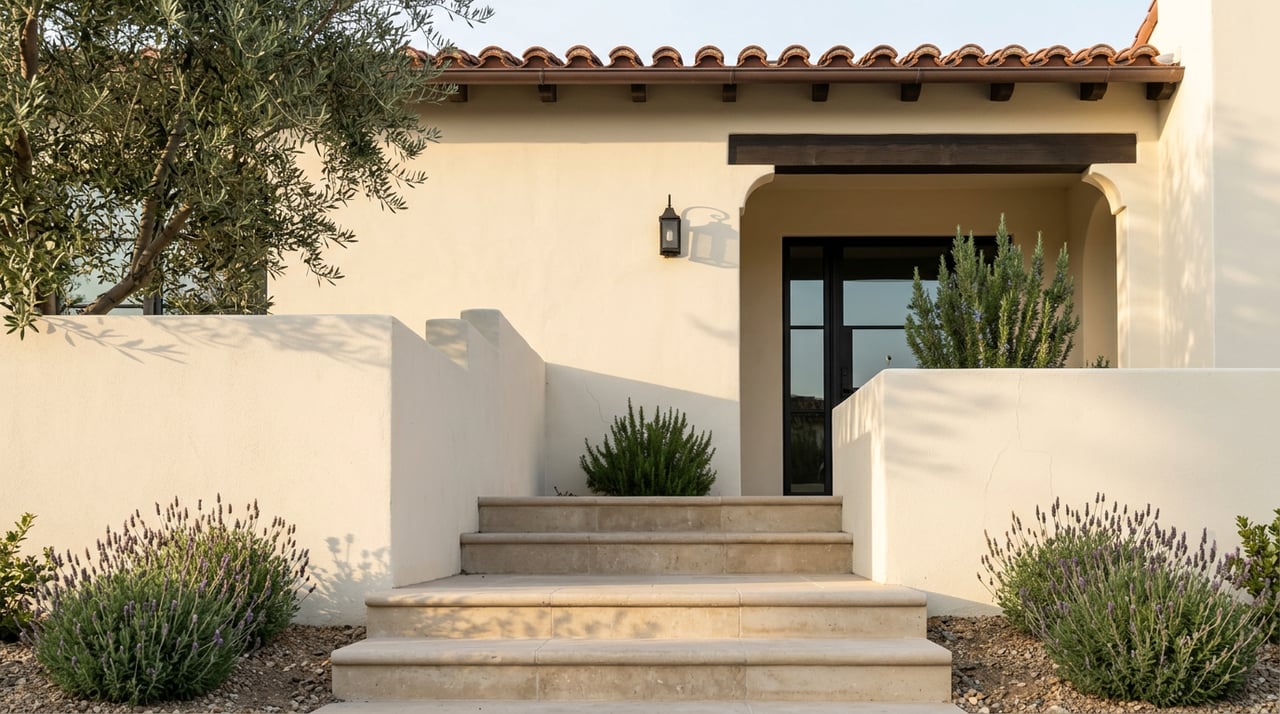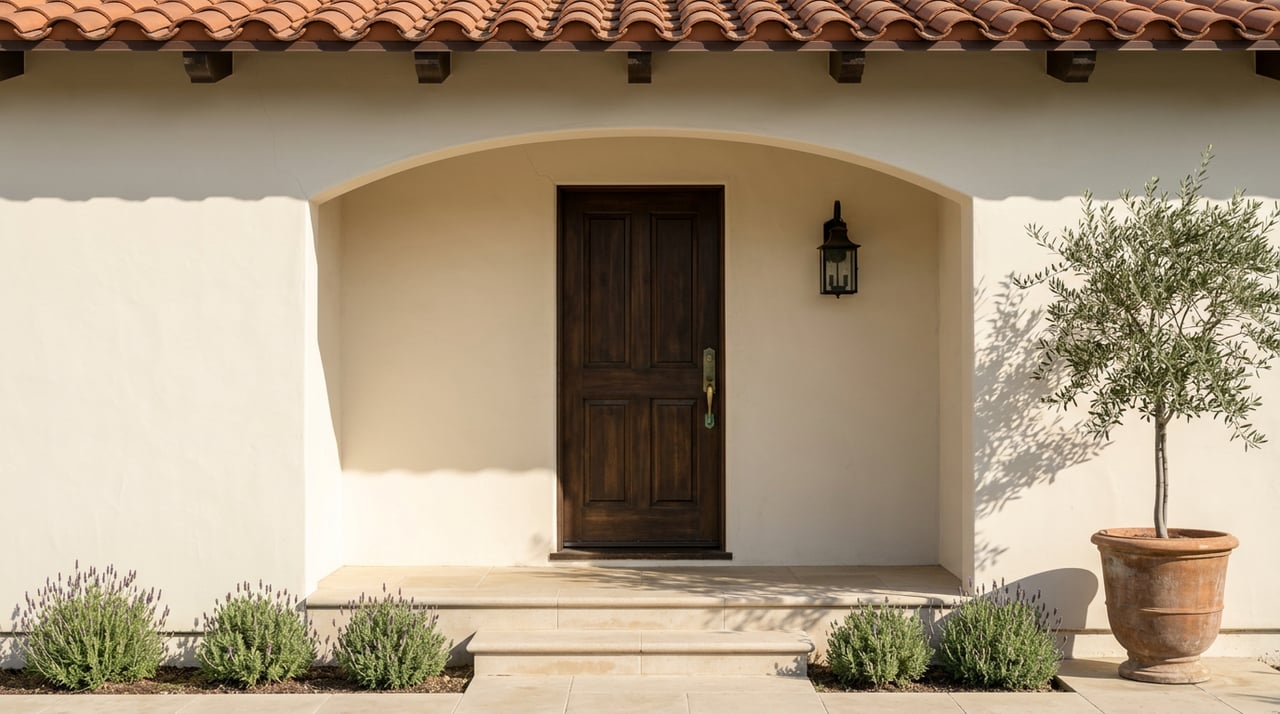
A two-home property on North 2nd Avenue came on the market this year with a line in the listing that most buyers skim past: the property was "currently benefiting from the Mills Act." The main house, a Craftsman with stone-accented porch columns near historic Downtown Upland, sat on the same lot as a smaller rear residence with its own garage, meter, and laundry. The Mills Act mention read like a bonus feature, tucked in with the mature shade trees and the landscaped beds.
It isn't a bonus feature. It's a legal contract that transfers to whoever buys the house, and the terms of that contract, not the tax bill alone, are what actually change hands at closing.
Upland has nine locally designated historic districts and a preservation program old enough to have its own institutional memory. Community interest in historic preservation grew enough in the 1980s that residents formed Upland Heritage in 1989, the city adopted a Historic Resources Survey in 1991, and the current Historic Preservation Ordinance followed in 1993, according to the City of Upland's own historic preservation page. That history is why Mills Act contracts show up so often in Upland listings compared to newer suburbs nearby. It's also why the mechanics of one of these contracts matter more here than almost anywhere else in the region.
The number on the flyer and the number on the tax bill
Ask Upland Heritage, the local nonprofit that helps owners file their applications, what the Mills Act saves you, and the number on the page is "up to 75%." Ask the city's own planning department the same question, and the picture gets narrower fast.
| What gets quoted | Who says it | |
|---|---|---|
| Ceiling figure | Up to 75% | Upland Heritage |
| General statewide range | 20% to 70% | City of Upland |
| What Upland contracts actually average | Majority fall between 40% and 60% | City of Upland |
The city's historic preservation FAQ states plainly that while savings can reach 70% under the statewide formula, in practice most Upland Mills Act contracts land between 40% and 60%. That's a meaningful gap if you're a seller pricing the benefit into a listing description, or a buyer trying to underwrite what the contract is actually worth before you write an offer. The city also notes that the tax rate itself is calculated by the San Bernardino County Assessor's Office, not the city, and that the assessed value is recalculated annually based on the property, its potential income, and the capitalization rate in effect that year. In other words, the discount you inherit isn't fixed. It moves.
The contract runs with the house, the compliance runs with you
California's Office of Historic Preservation is unambiguous about what happens at closing: a Mills Act contract is transferred to new owners when the property is sold, and subsequent owners are bound by the same rights and obligations as the person who originally signed it. You don't reapply. You don't renegotiate. You simply step into whatever the prior owner agreed to.
That sounds convenient until you remember what the prior owner agreed to. Every Mills Act contract in Upland comes attached to a 10-year work plan, reviewed by city staff to confirm the planned improvements roughly match the estimated tax savings over that period. The property owner has to keep proof that the work is getting done, coordinate with staff if the plan needs to change, and allow periodic inspections. None of that resets when the deed changes hands. If the seller fell behind on the plan, that gap doesn't disappear at the closing table. It becomes yours.
What changes before you can change a window
This is the part that touches the construction side of things more than the tax side, and it's the part most generic guides skip entirely.
Under Upland's municipal code, a Certificate of Appropriateness is required for the alteration of any individual cultural resource listed on the local register, or any contributing structure within a historic district. That covers a lot more than the front door. Windows, siding, rooflines, and porch details all fall under review by the Planning Division before a permit gets issued, and the standard they're measured against is the Secretary of the Interior's guidelines for historic rehabilitation, not a generic building code checklist.
For a buyer who's picturing new windows or a modernized kitchen extension, this is worth confirming before the inspection period closes, not after. A house that qualifies for Mills Act savings because it sits in the Euclid Avenue District or one of Upland's other eight districts is, by definition, a house where your renovation plans need a second signature from the city.
A calendar that has nothing to do with your escrow
If you're buying a historic home in Upland with the idea of applying for Mills Act status yourself, there's a deadline that doesn't care what week your escrow closes. The city accepts applications once a year, with all submissions due by September 30, and applications are reviewed together as a single annual class.
Even if you make that deadline, the benefit doesn't arrive right away. The city records approved contracts by the end of the calendar year, and the tax savings show up on the following year's bill. Apply by this year's September 30 cutoff and, if approved, your contract would be recorded by the end of 2026, with any tax savings first appearing on the 2027/2028 tax bill. Buy a home this summer planning to file for the Mills Act this fall, and you're looking at more than a full tax cycle before any savings show up.
A Certificate of Appropriateness is intended to protect structures, improvements, natural features, objects, and areas of architectural, cultural, economic, historic, political, and social importance from any alteration that would have an adverse effect thereon.
That's the standard from Upland's own code, and it applies whether the alteration is your idea or something you inherited mid-plan from the previous owner.
Nine districts, not one look
Not every historic property in Upland reads the same way, and the differences matter when you're comparing addresses.
- Euclid Avenue District carries a period of significance from roughly 1895 to 1936, centered on the 200-foot-wide boulevard laid out by the Chaffey brothers, complete with a landscaped median historically called the "Bridle Path." Locally recognized in April 2004, it's the most visually distinct of the nine.
- Old Town Historical District sits closer to Upland's original downtown grid, where the residential fabric is denser and the lots smaller.
- Old Magnolia, Pleasant View, Victorian Row, Stowell, Civic Center East, Arrow/Laurel, and Citrus/Transportation round out the remaining six, each tied to a different phase of the city's growth from citrus colony to incorporated town.
A home's district affects more than curb appeal. It determines which design review standard your Certificate of Appropriateness application gets measured against, since the Euclid Avenue District's grand boulevard character calls for a different read than a compact Old Town lot.
Before you price it, or offer on it
If you're selling a Mills Act home, the tax benefit belongs in the disclosure conversation as clearly as it belongs in the marketing copy. Sellers of historically designated property carry a disclosure obligation under California law, and a documented, well-maintained Mills Act contract is worth presenting as an asset with paperwork behind it, not just a line on the flyer.
A few things worth confirming before either side signs anything:
- Ask for the recorded contract and the current 10-year work plan, not just a verbal confirmation that "it's under Mills Act."
- Check whether any exterior work completed during the current ownership had a Certificate of Appropriateness attached to it, or whether it was done without one.
- Model the tax benefit at Upland's realistic 40% to 60% range, not the statewide ceiling, before you build it into an offer price.
- If you're planning renovations after closing, confirm with the Planning Division whether your plans would need review before you write a contingency-free offer.
A few questions that come up often
Does a buyer need to reapply for the Mills Act after purchasing a home that already has a contract? No. The contract transfers automatically at closing and continues on its existing term. The new owner takes on the same obligations the seller had, including the active work plan.
Can either side end the contract? Yes, but not immediately. A property owner who wants out after the initial 10-year term must give the city written notice at least 90 days before the contract's anniversary date. The city can also initiate non-renewal, with a minimum 60-day notice to the owner.
Does every old house in Upland qualify? No. A property has to be formally designated, either as an individual landmark, a listing on the National Register, or a contributing structure within one of the nine districts, before a Mills Act application is even possible.
Historic homes in Upland reward buyers who understand what they're taking on, and they reward sellers who can show, with documentation, that the preservation commitment behind the tax benefit has actually been kept. If you're weighing either side of that transaction, from a Euclid Avenue Craftsman to a smaller Old Town bungalow, Shannon Brady Realty can walk the property with you, flag what a Certificate of Appropriateness would mean for your renovation plans, and put together the kind of instant home valuation that accounts for what a Mills Act contract is actually worth, not just what the flyer claims. Get an Instant Home Valuation and start with the real number.