Thinking about listing your Claremont home in the next year? You want standout photos, steady showings, and strong offers without sinking money into the wrong projects. In Claremont, buyers respond to clean, warm spaces, indoor–outdoor flow, and low-maintenance landscaping that fits our Mediterranean climate. This guide gives you a clear, cost-smart plan for staging and simple updates that fit local expectations, plus timing and budgeting tips so you feel confident from prep to photos. Let’s dive in.
Start here: quick wins before listing
Focus first on low-cost tasks that boost photos and first impressions.
- Declutter and depersonalize. Remove extra furniture, family photos, and collectibles. Open up sightlines so rooms feel calm and spacious.
- Deep clean. Hire pros if needed for carpets, windows, bathrooms, and kitchen appliances. Bright, clean surfaces signal good care.
- Make small repairs. Tighten loose handles, fix leaky faucets, replace cracked tiles, re-caulk tubs and showers, and touch up trim.
- Neutralize paint. Use warm, neutral tones in high-impact rooms like the living room, kitchen, and primary bedroom. Address scuffs and chips first.
- Upgrade lighting. Swap dim bulbs for warm LED bulbs and keep color temperatures consistent. Add lamps where corners look dark.
- Stage for photos. Arrange furniture to show flow and function. Remove extra rugs or pieces that make spaces feel small.
Room-by-room staging tips
Living room
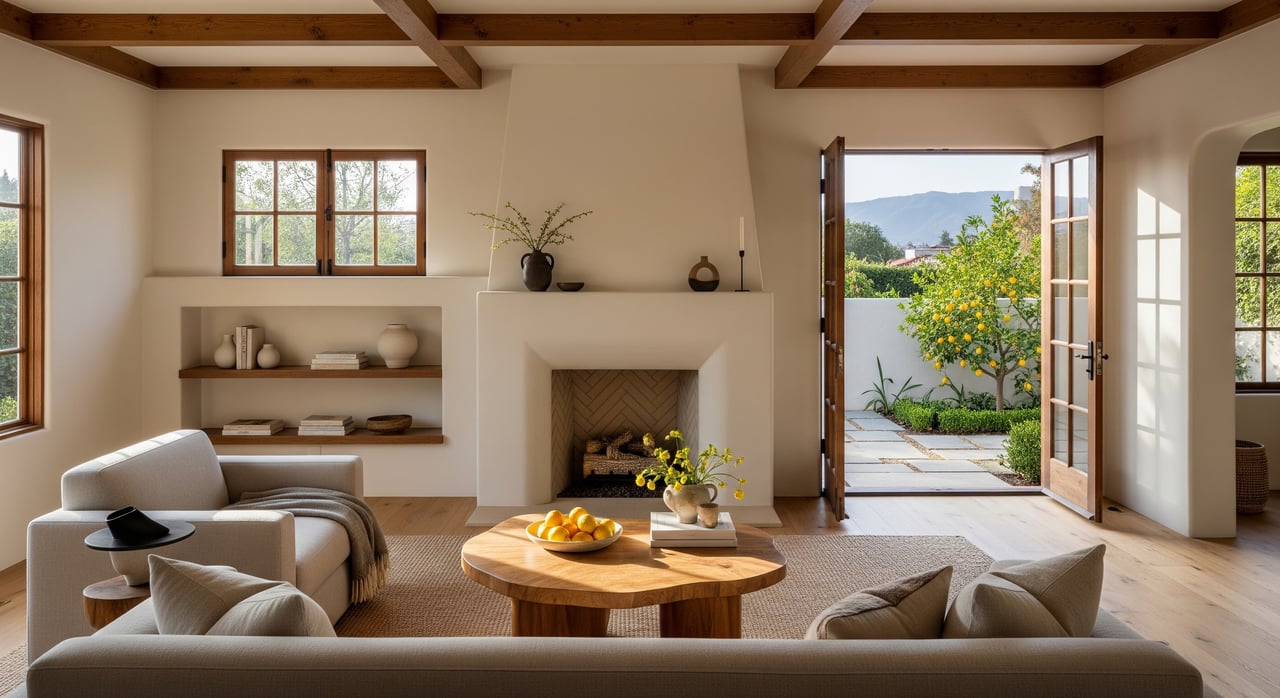
- Create a focal point, like a fireplace or a large window to the yard.
- Float furniture to form a conversation area instead of pushing everything to the walls.
- Keep decor simple. One statement art piece or mirror is enough.
Kitchen
- Clear counters. Leave one or two items, like a wood board with fruit or a plant.
- Update small details. Consider new hardware, a modern faucet, and brighter task lighting.
- Clean grout and appliances until they shine. It photographs far better.
Primary bedroom
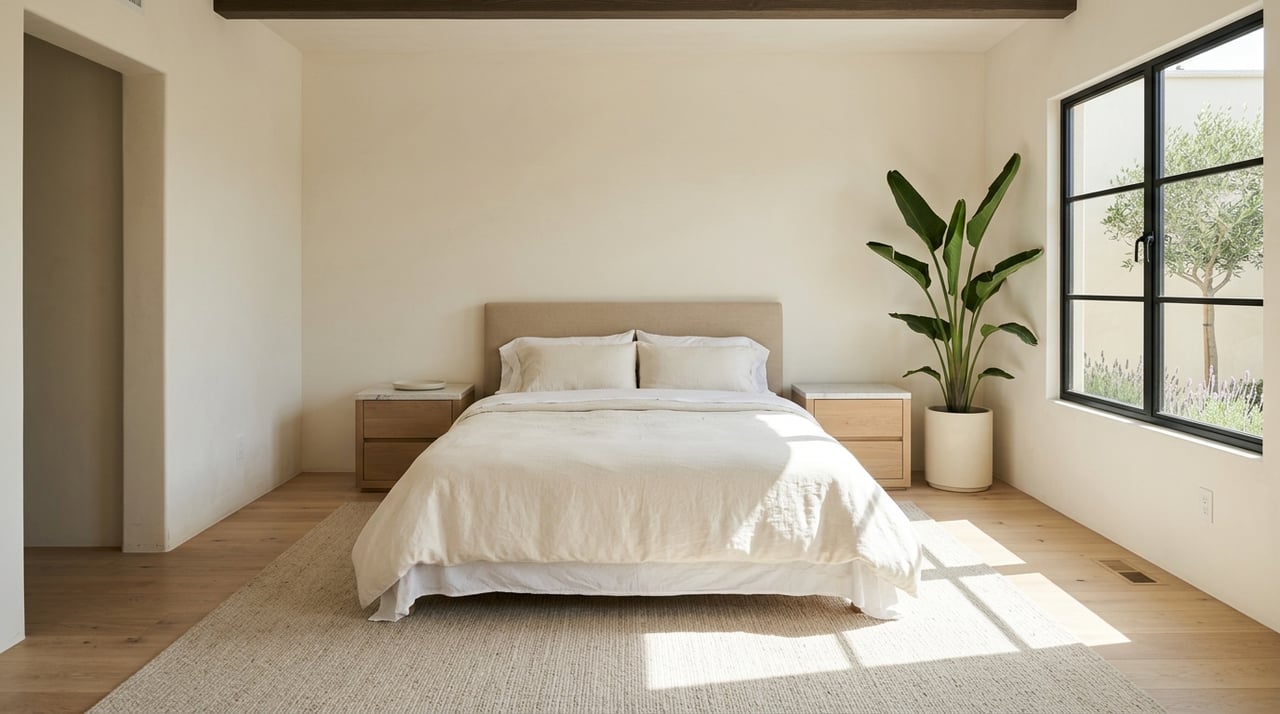
- Use simple bedding in a neutral palette. Add two pillows and a throw for texture.
- Clear nightstands to a lamp and one book or plant.
- Tidy closets to show organized storage.
Bathrooms
- Keep counters clear and use matched towels in a neutral color.
- Refresh caulk and grout. Reglaze if surfaces are worn.
- Add a small plant or a simple soap dispenser for a clean, spa-like feel.
Home office
- Show a purposeful workspace with a desk, chair, lamp, and a simple shelf.
- Hide cords and minimize equipment. Bright, uncluttered offices appeal to remote workers.
Boost curb appeal outdoors
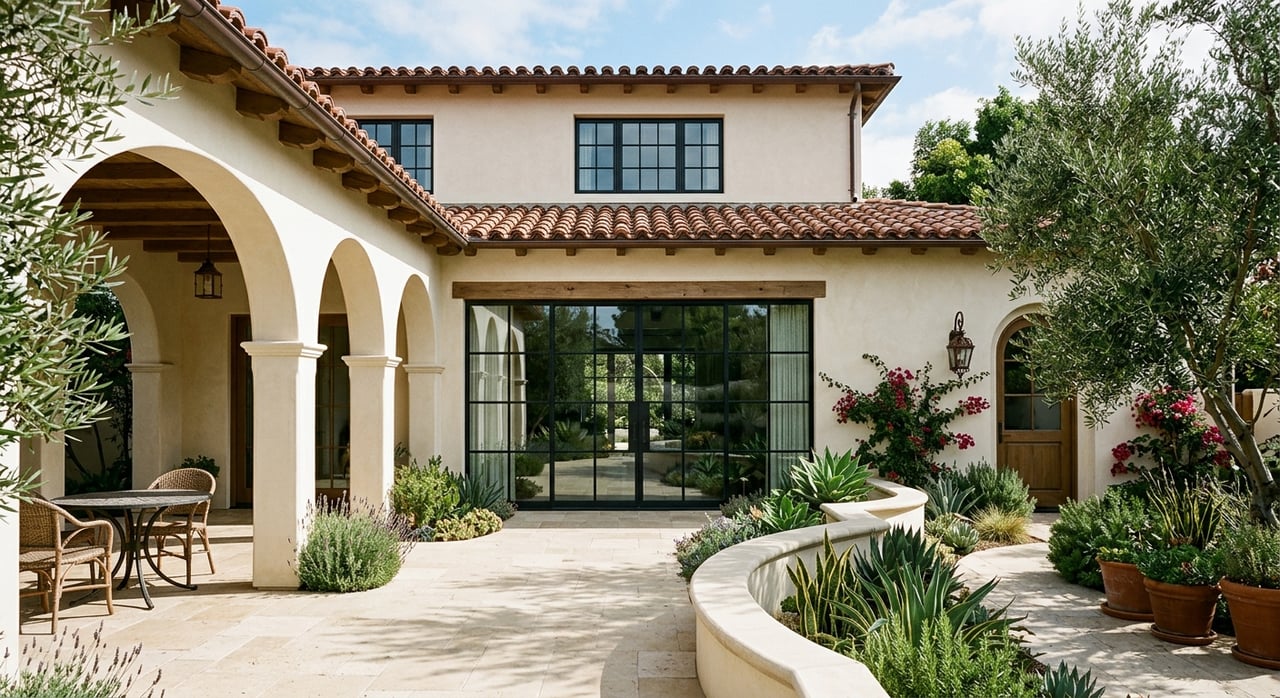
Claremont buyers value outdoor living and easy-care yards. Aim for a fresh, tidy look that fits our climate.
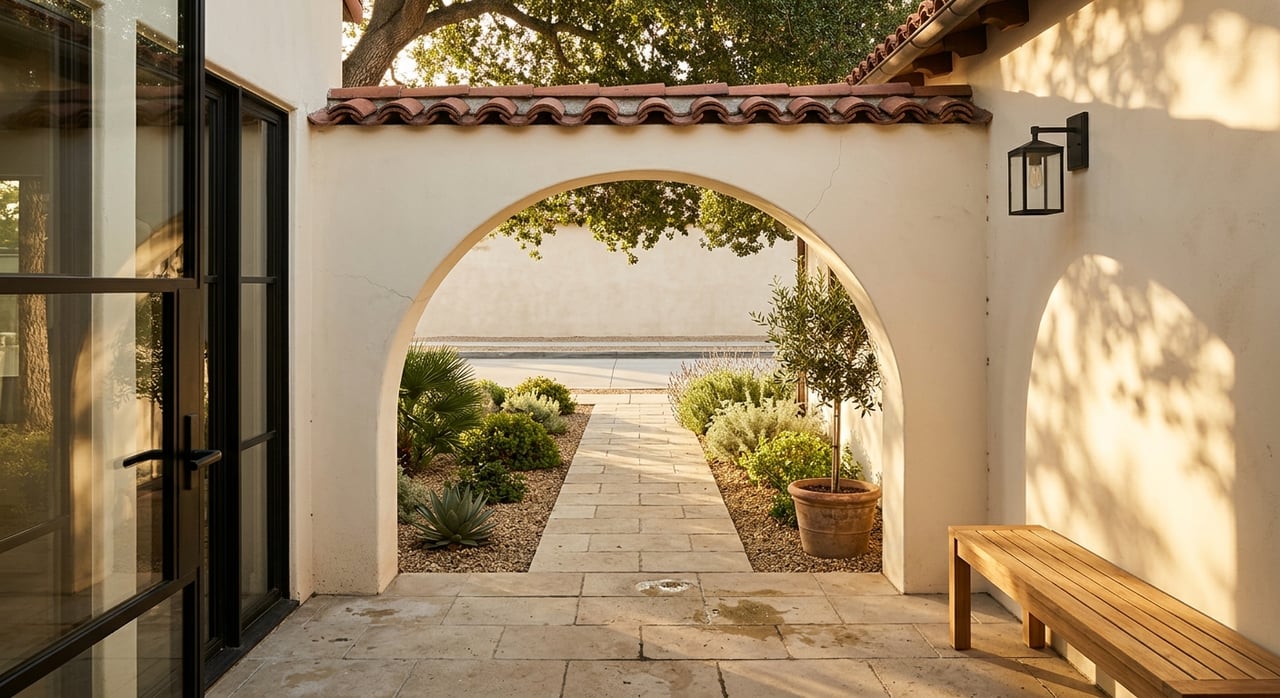
- Water-wise landscaping. Choose California native or drought-tolerant plants, mulch beds, and consider drip irrigation. Low-water yards that look maintained are a plus.
- Front entry refresh. Repaint or refinish the front door, clean the porch, update house numbers and lighting, and add container plants.
- Outdoor living zones. Stage patios with seating to show how the space lives. If you have a pool, clean and organize the area.
- Trees and shade. Prune and remove hazards. Mature trees are a benefit when they look healthy and well cared for.
- Clean hardscape. Pressure wash driveways, sidewalks, and exterior siding for a crisp, well-kept finish.
What to update next
Once the quick wins are in motion, consider these short-term, moderate-cost updates that often deliver solid appeal.
- Kitchen refresh. Repaint or reface cabinets, update hardware, improve lighting, and consider a backsplash refresh or grout cleaning. A full remodel is usually not necessary to impress.
- Bathroom refresh. Swap vanity hardware, mirrors, and lights. Re-grout or reglaze tub and tile for a clean, newer look.
- Flooring tune-up. Refinish worn hardwood. Replace heavily stained carpet with neutral flooring, or deep clean and add area rugs if budget is tight.
- Exterior touch-ups. Power wash, touch up paint, or replace dated door hardware and mailbox for a quick style lift.
- Landscaping polish. Prune, remove dead plants, add fresh mulch, and layer in drought-tolerant color accents.
Bigger projects to consider
Save higher-cost projects for when they clearly protect your sale or match neighborhood expectations.
- Roof, HVAC, and windows. Service and document condition. Replace only if poor condition would harm your sale or inspection.
- Major remodels. Large kitchen or bath overhauls rarely deliver dollar-for-dollar returns on a tight timeline. Consider them only if comparable homes demand it.
- Additions or structural changes. These need permits and time. Unless safety or code issues require it, they are not ideal when you plan to list within a year.
Permits, disclosures, and inspections
Stay proactive on paperwork to avoid surprises during escrow.
- Know what needs permits. Cosmetic work like paint and hardware changes usually does not. Electrical panel changes, structural work, some re-roofing, major HVAC or plumbing changes, and window or door structural replacements often do. Confirm with local building and safety offices.
- Check HOA or CC&Rs. If you have an HOA, confirm any exterior changes are approved before you proceed.
- Prep a documentation folder. Include service records for roof, HVAC, and pest work, plus permits, certificates, and any seismic retrofitting or water and sewer information.
- Disclose clearly. In California, you must disclose known material facts and any unpermitted work. Clear disclosure builds trust and can prevent delays.
- Consider a pre-inspection. A pre-listing inspection helps you fix simple items ahead of buyer inspections and present your home with confidence.
Hire pros or DIY
Use professional help where it moves the needle, and DIY the rest to save budget.
- Professional staging. Most useful for vacant homes and higher-end listings. Staged homes often photograph better and can shorten time on market. For occupied homes, a staging consultation plus targeted DIY changes is often cost-effective.
- Photography and video. Professional photography is essential. Consider twilight shots, floor plans, 3D tours, and drone imagery if you have views, large lots, or proximity to the Village or foothills.
- Virtual staging. Cost-effective for vacant spaces. Always disclose if images are virtually staged.
- Contractors. Hire licensed pros for electrical, plumbing, roofing, and structural work. Confirm local permitting steps before work begins.
Shannon Brady Realty pairs hands-on renovation insight with professional staging and premium visual marketing, including drone photography, to help you present your home at its best. If you want a plan tailored to your property and neighborhood, you can get expert guidance from start to finish.
Timeline and budget guide
Use this simple roadmap to pace your prep and invest where it counts.
- 8 to 12 weeks out. Schedule kitchen and bath refreshes, flooring work, and a staging consultation. Set photography dates. If any permitted work is planned, start now.
- 4 to 8 weeks out. Complete painting, deep cleaning, lighting swaps, landscaping improvements, and final repairs. Organize your documentation folder.
- 1 to 2 weeks out. Stage rooms, finalize curb appeal, and do a full photo-ready clean. Capture professional photos, plus twilight or drone shots if useful. Keep the home show-ready.
Budget tiers to consider:
- Low cost, immediate. Decluttering, deep cleaning, paint touch-ups, bulb changes, minor hardware, and basic staging accents.
- Moderate cost, short term. Cabinet repainting or refacing, new hardware and faucets, fixture upgrades, re-grouting, targeted flooring work, and container landscaping.
- High cost, longer term. Major kitchen or bath remodels, roof or window replacement, and structural changes. Only pursue if they clearly protect your sale or match neighborhood comps.
Avoid these common mistakes
- Over-personalized decor. Keep colors and patterns neutral so buyers focus on space and light.
- Skimping on photos. Dark phone photos cost you attention. Professional photography is not optional.
- Ignoring permits. Unpermitted work can delay closing or trigger repair demands. Disclose and plan ahead.
- Over-remodeling. Do not outspend the neighborhood. Choose updates that help photos, showings, and confidence in condition.
- Forgetting water-wise curb appeal. In our climate, low-water landscapes that look tidy are a selling point.
- Neglecting trees and drainage. Prune for health and safety. Make sure gutters and downspouts move water away from the home.
What Claremont buyers notice
Claremont’s charm comes from its tree-lined neighborhoods, the walkable Claremont Village, and access to parks, open space, and the foothills. Buyers often look for spaces that blend indoor and outdoor living, like patios and shaded yards. Many also value proximity to schools and the Claremont Colleges, plus commuter access to regional freeways and Metrolink. When your home feels warm, neutral, and low maintenance, you help buyers picture everyday life here.
Ready to tailor this plan to your property and timeline? Connect with a local, boutique expert who blends construction know-how with staging and premium visuals. Reach out to Shannon Brady for a custom prep plan and next steps that maximize your sale.
FAQs
Which pre-listing updates raise price vs speed up sale?
- Cosmetic updates like paint, lighting, staging, and tidy landscaping usually improve marketability and time on market. Major systems updates can increase buyer confidence and sometimes price, but they cost more.
Do I need a professional stager for my Claremont home?
- Not always. Full staging shines for vacant or high-end homes. For occupied homes, a one-time consultation plus targeted DIY changes is often the best value.
How much should I spend before listing in Claremont?
- Start with visible impact: decluttering, cleaning, neutral paint, lighting, curb appeal, and small kitchen or bath touches. Consider larger spends only if local comps support a return.
Will water-wise landscaping help my sale?
- Yes. In Southern California, low-maintenance and drought-tolerant yards appeal to many buyers and can be framed as practical and environmentally friendly.
What if I did work without permits years ago?
- Disclose it. If feasible, explore retroactive permits. If not, be ready to negotiate or complete corrective work if inspections raise concerns.
When should I schedule photography and marketing assets?
- Book professionals 1 to 2 weeks before going live, after cleaning, staging, and curb appeal updates are complete. Add twilight, floor plans, 3D tours, or drone if they highlight key features.