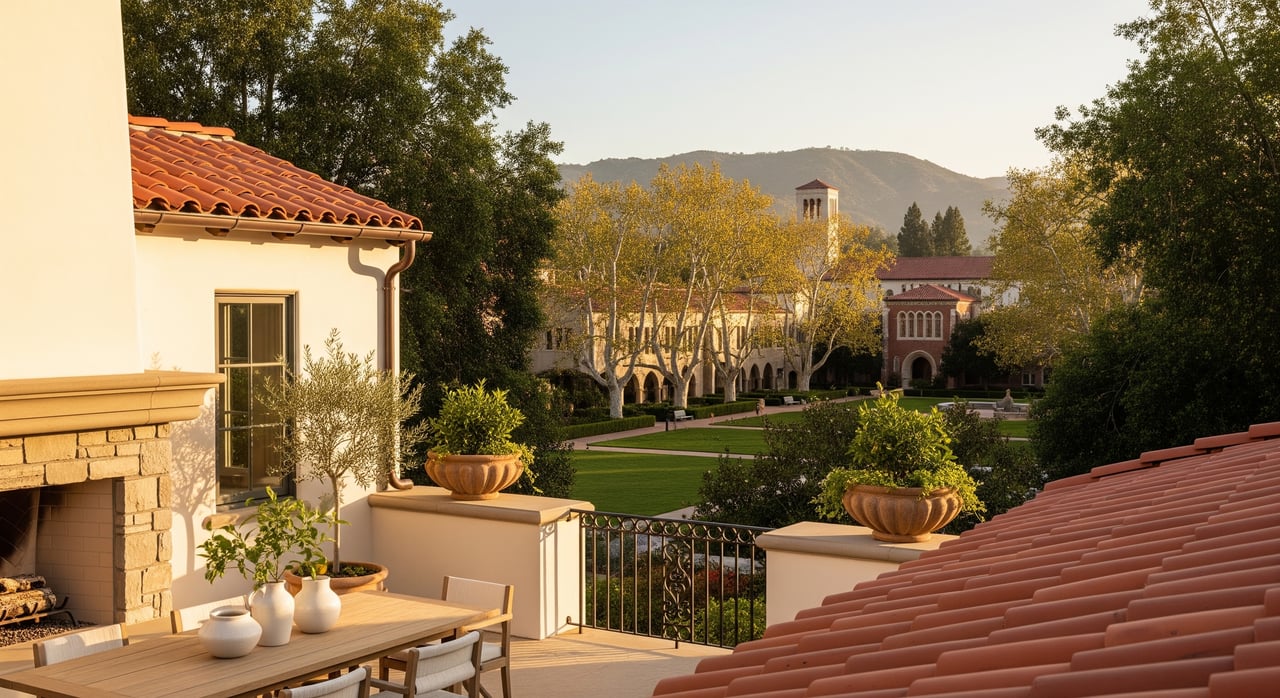
Curious what day-to-day life feels like steps from the Claremont Colleges? You might picture tree-lined streets, busy cafés and a calendar full of campus events. You would be right, and there are also a few seasonal quirks to know before you choose a home nearby. In this guide, you will learn how the colleges shape local life, what housing options look like, and how to decide if the rhythm fits your routine. Let’s dive in.
Where the colleges shape daily life
The seven schools of The Claremont Colleges consortium sit next to each other near downtown. Their presence sets the tone for nearby neighborhoods. Many lectures, performances and exhibitions are open to the public, and you will feel the ebb and flow of the academic calendar.
Expect more foot traffic during class days and special weekends, like commencement and homecoming. Summer often feels quieter, with fewer students in town and easier parking near the Village. If you value easy cultural access, living close to campus edges can be a great fit.
Cafés, dining and local shops
Claremont Village is the retail heart. You will find independent coffee shops, bakeries and casual restaurants that cater to students, faculty and locals. Mid-week evenings are calm, while Fridays and event nights run busier.
The Village also hosts boutique retailers, bookstores and local services. For a snapshot of businesses and community events, check the Claremont Chamber of Commerce. Daily errands are simple if you live within a 5 to 15 minute walk of the Village or campus.
Arts, events and outdoor recreation
You get an unusual mix of culture for a small city. College galleries and performance venues bring concerts, visiting speakers and student productions throughout the year. Many are free or low cost, and some are ticketed for the public.
When you want fresh air, the foothills are close. Claremont Hills Wilderness Park offers popular hiking loops and views. Families and nature lovers can spend a day at the California Botanic Garden, which features California native plants and seasonal programs.
Housing types and market patterns
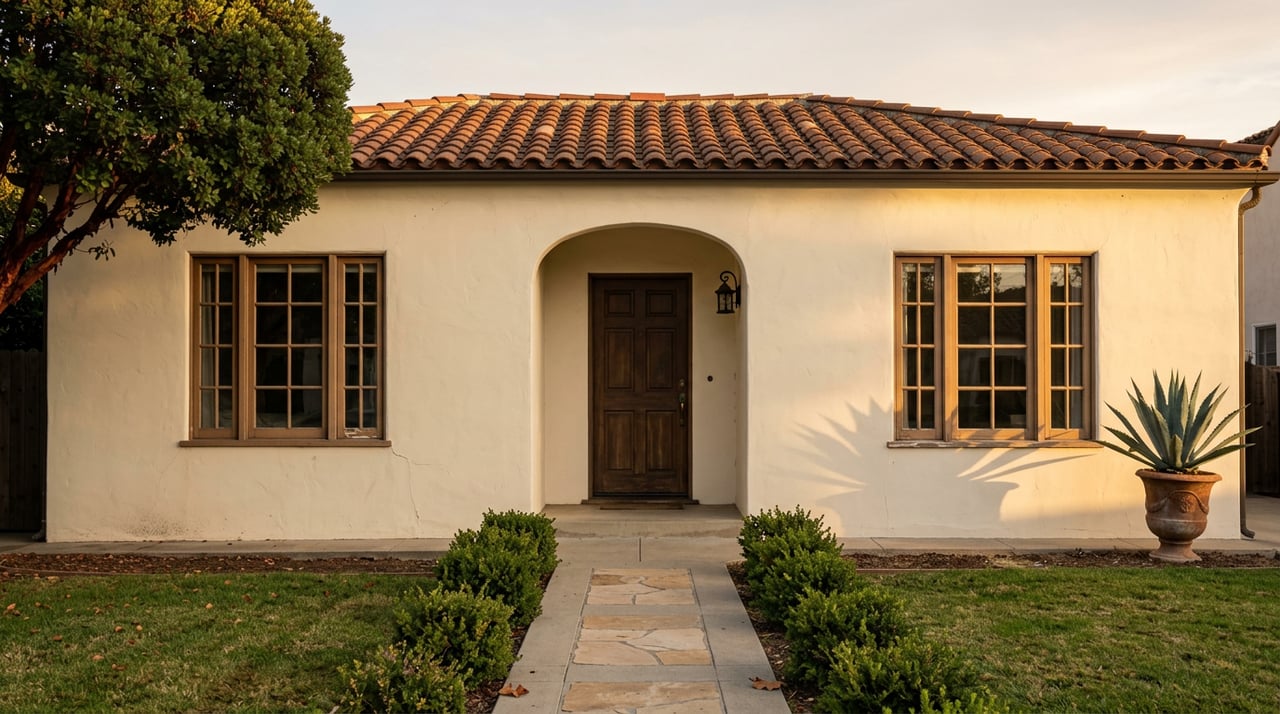
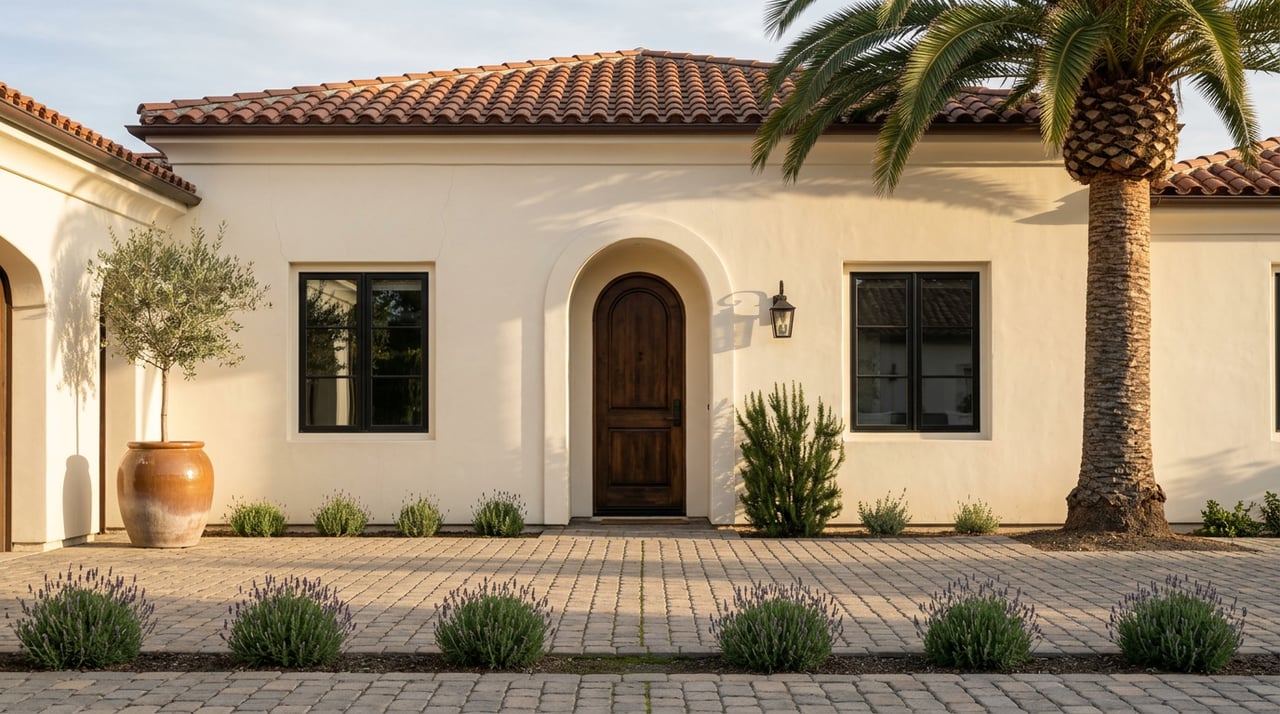
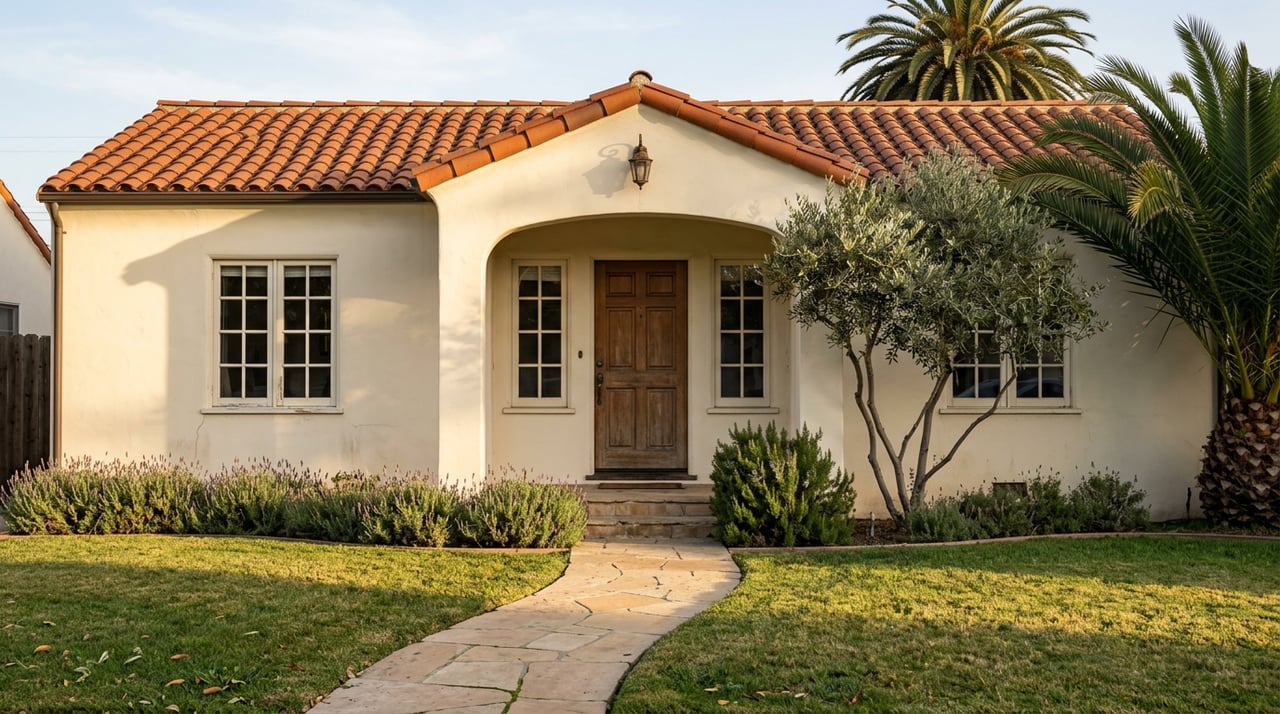
Neighborhoods around the colleges offer variety within a walkable area. You will see early to mid 20th century single-family homes, small apartment buildings and some duplexes or ADUs. Townhome-style developments appear in places, while larger-lot homes sit farther north toward the foothills.
Homes close to the Village often command a premium compared with many eastern LA County and Inland Empire areas. Inventory near campus can be tight, and renovated properties in prime spots draw strong interest. The most active listing season tends to be late spring into summer.
Renting vs. buying near campus
A substantial student rental market exists near the colleges. Some landlords tailor leases to academic terms and offer furnished or semi-furnished units. Demand spikes around move-in, move-out and big campus weekends.
If you are not a student, you will still find apartments and single-family leases that suit families and professionals. For buyers, proximity to the Village is appealing but also competitive. If you prefer a quieter feel, you may look a few blocks beyond the most active campus edges.
Getting around and commuting options
The Village and campus edges are very walkable, which reduces car trips for coffee runs, dining and small errands. Biking is common for short trips, though infrastructure varies by street.
For longer commutes, the Metrolink San Bernardino Line serves Claremont Station, with service toward downtown Los Angeles and points east. Local and regional buses from Foothill Transit connect to nearby cities. Driving is straightforward via major arterials, but peak-hour traffic can add time.
Noise, parking and seasonality
Daily life is generally quiet on residential streets. You will notice more activity during move-in and move-out weeks, on weekends with performances, and during Village festivals. If you are sensitive to noise, plan to visit a home on a weekday during the academic year and again on a weekend evening.
Parking is usually easier on purely residential blocks and more competitive near the Village and campus at peak times. The City of Claremont provides details on street-sweeping schedules, permits and time limits. Expect periodic event-related traffic and be ready to plan around it on key weekends.
Safety, schools and community
Claremont generally reports lower crime rates than many urban parts of Los Angeles County. Like other college towns, petty property crimes such as bike theft can occur in busier areas. For current statistics and trends, check reports from the Claremont Police Department.
Families consider local K–12 public schools a key factor when choosing a home. For the latest boundaries and performance data, review the local district’s most recent information. You can also reference city demographics through U.S. Census QuickFacts for context on population and households.
Is living near campus a fit for you?
Choose campus-adjacent blocks if you value walkability and easy access to culture. Expect more energy during the school year and plan for occasional parking pressure. If you prefer quieter streets, explore homes a bit farther from the busiest edges while staying close to the Village.
If you are buying, visit at different times of day and on a weekend to gauge noise, traffic and parking. If you are selling, presentation can make a strong difference near the colleges. Strategic repairs, light renovations and quality staging can help your home stand out when inventory is tight.
Ready to explore homes around the Claremont Colleges with a local, hands-on plan? Connect with Shannon Brady for neighborhood guidance, smart prep advice and a clear path to your next move.
FAQs
Is the area around the Claremont Colleges walkable?
- Yes, the Village and campus edges are highly walkable, with cafés, shops and services within a 5 to 15 minute walk for many nearby homes.
What should I expect for noise near the colleges?
- Most days are calm, but expect higher noise and foot traffic during move-in and move-out weeks, event weekends and some evening performances.
How can I commute from Claremont to Los Angeles?
- Many residents use the Metrolink San Bernardino Line from Claremont Station, local buses for regional trips, or drive depending on schedule and route.
What housing types are common near the campuses?
- You will find older single-family homes, small apartment buildings, some duplexes or ADUs and a few townhouse-style developments near the Village.
How do I evaluate K–12 schools in Claremont?
- Review the local district’s current boundaries and performance data, then visit schools and programs directly for the most up-to-date information.
Where can I see current crime and safety data?
- Check recent reports and statistics published by the Claremont Police Department, and review neighborhood-level updates on the city’s official website.