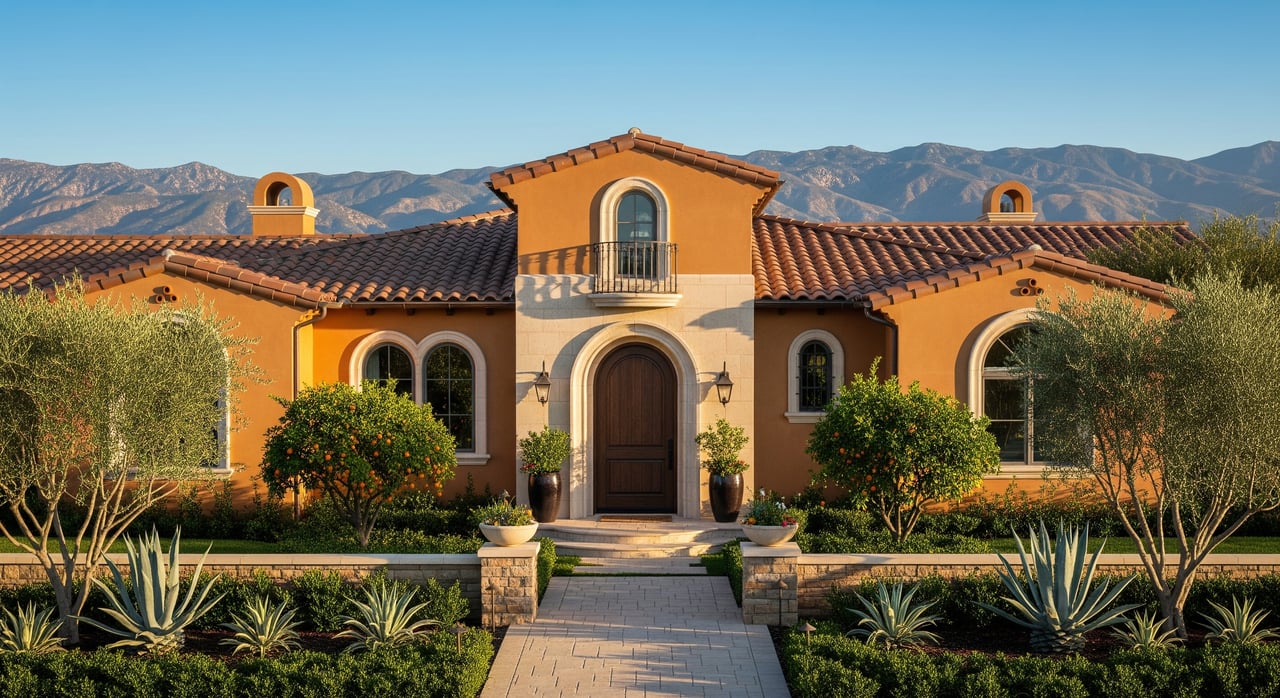
Ever wondered if a bank-owned home could be your best value in Rancho Cucamonga? You are not alone. Buying an REO can be a smart path if you prepare for the process, property condition, and bank timelines. In this guide, you will learn what “bank-owned” really means, how these sales work in San Bernardino County, the exact steps to take, and what pitfalls to avoid so you can buy with confidence. Let’s dive in.
What bank-owned means
REO vs. short sale vs. auction
A bank-owned home, also called REO (Real Estate Owned), is a property the lender took back after a failed foreclosure auction or through a deed in lieu. The bank is now the seller. A short sale is different because the owner still holds title and the lender agrees to accept less than the loan balance. A foreclosure auction happens at a trustee sale, usually for cash and with limited buyer protections.
REO homes are often listed on the open market and sold “as-is.” Banks usually limit repairs and disclosures, and they make decisions through asset managers or REO departments. They aim to sell with clear title and minimal post-closing liability.
If you want to explore government-related options, you can find inventory through platforms like Fannie Mae HomePath and learn more about foreclosed properties from HUD. For general consumer guidance on foreclosures and processes, the CFPB is also helpful.
How REO sales differ in Rancho Cucamonga
- Expect “as-is” condition. Banks usually will not perform voluntary repairs. Plan for inspections and repair budgets.
- Pricing may reflect repairs and carrying costs. Some homes list near market, others price below market if condition is poor or demand is soft.
- Timelines can be rigid or slow. Banks may require institutional approval of your offer and set strict response and escrow deadlines.
- Local inventory can be limited. In some periods, REO properties are scarce in Rancho Cucamonga, so being prepared helps you compete.
Step-by-step: find and buy an REO
Find REO listings
- Work with a local agent who can search the MLS for “bank-owned” or “REO” filters and track new releases.
- Check government-related platforms like Fannie Mae HomePath and review HUD resources for HUD-owned properties.
- Monitor trustee sale schedules if you are considering auctions. These are higher risk and often cash-only.
Prepare before you offer
- Get fully preapproved or provide proof of funds if paying cash. Strong offers rise to the top.
- Ask your agent to order a preliminary title report early to spot liens, easements, or HOA issues.
- Research property history, permits, taxes, and HOA status. Plan your due diligence window.
- Line up inspectors ahead of time. Schedule home, termite/pest, roof, and sewer scope inspections as soon as you get access.
Write a strong offer
- Use the standard California purchase contract through your agent. Expect “as-is” language and limited warranties from the bank.
- Include clear proof of funds or a robust preapproval letter and earnest money deposit that shows you are serious.
- Keep essential contingencies but understand that fewer or shorter contingencies can be more competitive. Balance risk with your comfort level.
- Build in time for bank approvals and title work. Even after verbal acceptance, some banks need extra review before signing.
Inspect, appraise, negotiate
- Banks often decline repair requests. Sometimes you can negotiate an escrow credit or holdback for specific items, but policies vary by seller.
- FHA and VA loans require the home to meet minimum property standards. If the bank will not repair, consider a renovation loan or be ready to address repairs yourself.
- If the appraisal comes in low, you may need to bridge the gap, renegotiate, or walk based on your appraisal contingency.
Clear title and close
- Banks typically clear their own mortgage lien, but other items can remain. Title and escrow will work to address taxes, HOA assessments, or mechanics’ liens.
- Follow California escrow procedures and confirm your closing timeline in writing. Plan for utility turn-ons and immediate safety needs if the home has been vacant.
- After funding, the deed records and you take possession per escrow instructions.
Auctions and trustee sales
- Trustee sales usually require certified funds and immediate payment. There is little to no time for inspections, and the deed is delivered with limited warranties.
- Title risks and eviction issues are common at auction. If you are not experienced, consider buying an REO on the open market instead.
California and county rules to know
- Disclosures: California generally requires a Transfer Disclosure Statement and a Natural Hazard Disclosure. Bank sellers often provide limited information. Insist on all available disclosures and use inspections to manage unknowns.
- Liens and taxes: Unpaid property taxes are senior liens. Confirm HOA balances and review CC&Rs. Mechanics’ liens and code violations can survive foreclosure if not resolved in escrow.
- Financing: Conventional loans are often more flexible for REO. FHA and VA can work, but condition matters and banks may not repair.
- Timelines: Banks use internal approval processes that can add days or weeks. Push for firm milestones in your offer, but plan for some delay.
- Risk and insurance: Buy title insurance and review exceptions. Arrange homeowners insurance to start at closing, and factor in security or debris removal if the property has been vacant.
Quick buyer checklist
- Hire a local agent with REO experience.
- Confirm current comps and any REO activity in the target neighborhood.
- Secure a strong preapproval or proof of funds.
- Order a preliminary title report and review public records.
- Verify HOA status, dues, and transfer rules if applicable.
- Schedule home, termite/pest, roof, and sewer scope inspections right after acceptance.
- Review all seller disclosures and request any bank reports or bids.
- Budget for immediate repairs, appraisal gaps, and possible timeline shifts.
- Choose a reputable local escrow and buy title insurance.
- Plan post-closing steps like utility setup, rekeying, and safety fixes.
Realistic timeline example
- Day 1 to 3: You tour a bank-owned home and submit a clean offer with proof of funds and a 10-day inspection contingency.
- Day 4 to 8: The bank reviews, counters on price and timelines, and you reach agreement. Escrow opens, and you order inspections and preliminary title.
- Day 9 to 15: Inspections reveal roof and pest issues. The bank declines repairs, but you negotiate a small closing credit. Your lender orders the appraisal.
- Day 16 to 25: Appraisal matches your price. Title clears remaining items. You remove contingencies and lock closing.
- Day 26 to 35: Loan funds, the deed records, and you take possession. You rekey locks and start repairs.
Mistakes to avoid
- Assuming every REO is a steep discount. Banks often price close to market after factoring repairs.
- Skipping title review. Hidden liens or HOA issues can be expensive.
- Relying on FHA or VA without a repair plan. The home must meet property standards.
- Waiting to schedule inspections. Access windows can be limited.
- Ignoring HOA documents. Rules and fees can affect your plans and budget.
Get local help
Buying a bank-owned home is a tactical process. You win by preparing well, moving fast, and pricing risk correctly. With REO experience and hands-on construction insight, Shannon Brady can help you spot value, estimate repair costs, and write competitive offers that still protect your interests. Ready to map your next steps in Rancho Cucamonga? Connect with Shannon Brady for tailored guidance.
FAQs
Are bank-owned homes cheaper in Rancho Cucamonga?
- Not always. Banks price to market and factor in repairs and demand, so discounts vary by property condition and timing.
Can you use FHA or VA to buy a bank-owned home?
- Yes, but the home must meet minimum property standards and banks may not repair, so confirm feasibility with your lender and agent first.
How long does an REO closing take in San Bernardino County?
- Many close in 30 to 45 days, but bank approvals can add time; some sellers prefer shorter, well-documented timelines.
What inspections should you get for an REO purchase?
- At minimum, get general home, termite/pest, roof, and consider a sewer scope; schedule them immediately after acceptance.
Is a trustee sale better than buying an REO?
- Auctions can be cheaper but carry higher risk, limited due diligence, and often require cash; REO purchases offer safer access and standard escrow.