If you are thinking about moving up in Claremont, you already know this is not a market where square footage tells the whole story. Two homes with a similar price can offer very different lot utility, condition, and future flexibility. That can make the next step feel exciting and a little complicated at the same time. In this guide, you will learn what really sets Claremont homes apart, what to watch for before you buy, and how to compare options with more confidence. Let’s dive in.
Why Claremont Stands Out
Claremont is a small, established housing market with 35,640 residents, 12,185 housing units, and a 65.5% homeownership rate, according to the city. The housing stock is mostly single-family, with 78.2% of homes categorized as detached or attached single-family units in 2019. For move-up buyers, that usually means a market shaped by established neighborhoods rather than large waves of new construction.
Claremont also has a very low vacancy rate of 1.2%, which helps explain why available homes can draw strong attention when they hit the market. In a city with limited inventory and many established residential areas, buyers often need to weigh tradeoffs carefully. You may find yourself choosing between condition, lot size, location within the city, or long-term improvement potential.
As of May 2026, Redfin reported a median sale price of $1,109,336 and about 35 days on market, while Realtor.com reported a median listing price of $1,099,450 and a median of 36 days on market. Both sources point to a competitive environment where homes tend to sell close to asking price. That matters if you are trying to level up your space without overpaying for the wrong fit.
What Move-Up Buyers Usually Want
Most move-up buyers are looking for more than just an extra bedroom. You may want a more functional layout, a larger lot, a home office, better indoor-outdoor flow, or space for future changes. In Claremont, those goals are realistic, but they often require a closer look at the property beyond the listing photos.
Because the city has an established housing base, one home may offer classic architecture and a large yard, while another may offer a more updated interior but less flexibility outside. That is why move-up buyers in Claremont often benefit from comparing homes through two lenses at once: how the home works today and how it could work for you later.
Lot Size Matters More Than You Think
One of Claremont’s biggest advantages for move-up buyers is lot size. The city’s housing element states that the minimum lot size is 7,500 square feet, and a significant share of residential lots are 13,000 square feet or larger. North of Base Line Road, some rural-residential parcels can be as large as 1 acre.
That kind of lot profile can create options that are harder to find in more compact markets. A larger lot may give you more room for outdoor living, storage, future expansion, or an accessory dwelling unit. It can also simply give you more breathing room between the home and property lines, which many move-up buyers value.
Still, bigger is not automatically better. Claremont also applies lot-coverage limits that range from 20% to 40% depending on the zone. In plain terms, a large lot does not always mean you can build as much as you might assume.
How Architecture Affects Value
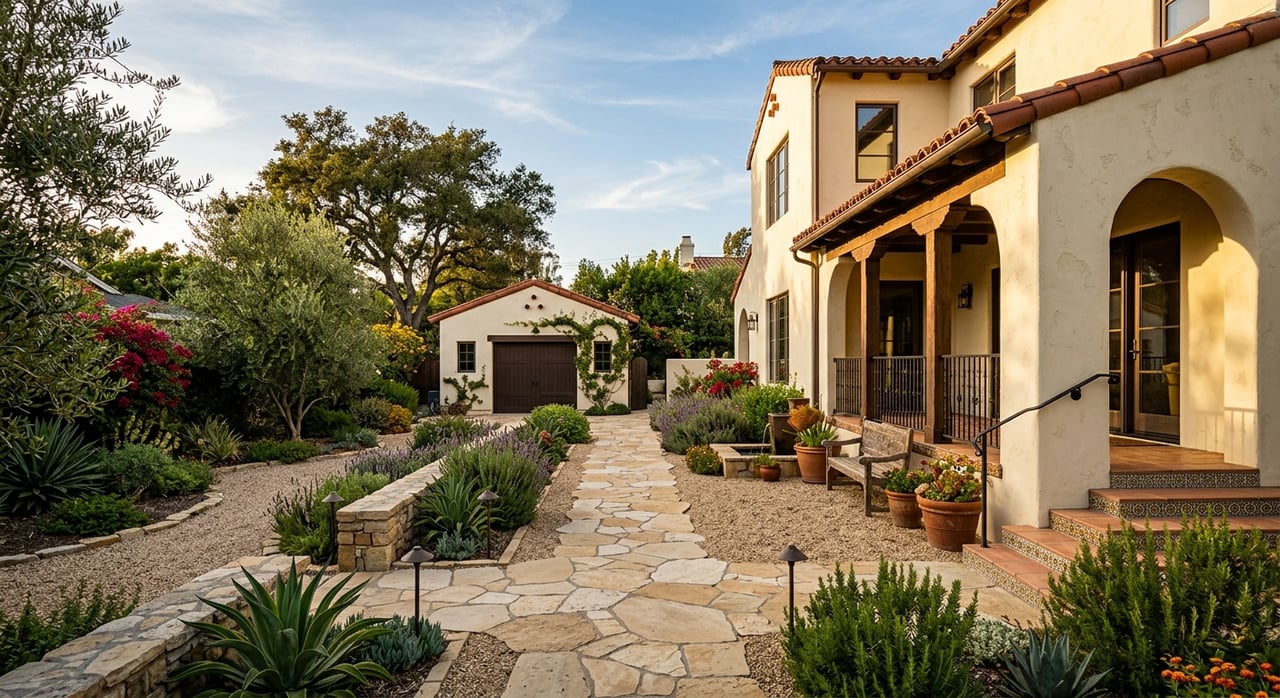
Claremont is known for strong neighborhood planning and varied architecture. The city describes 30 unique neighborhoods, and its history includes homes from Victorian, neo-Classical Revival, Craftsman, and Spanish Colonial Revival periods. For buyers, that variety is part of the appeal.
It also means you are often comparing homes with very different design eras, layouts, and upkeep needs. An older home may offer character, mature landscaping, and a more distinctive setting. A more updated home may offer convenience and lower immediate improvement costs.
If you are moving up, this matters because architecture can influence both your budget and your timeline. A charming older home may have great upside, but the cost and complexity of updates may be higher than expected. A turnkey home may cost more upfront, but it can reduce surprises after closing.
Condition Can Drive Big Price Gaps
In Claremont, condition and presentation can have a major effect on value. Redfin reported that 45.4% of homes sold above list price over the prior three months, while Realtor.com reported homes selling around asking on average. In a market like this, buyers often respond quickly to homes that feel well maintained and move-in ready.
That helps explain why two homes with similar size can sell at very different prices. Updated kitchens, practical layouts, curb appeal, and visible maintenance can shape how buyers see value. If one property feels ready now and another needs work, the pricing gap may be larger than square footage alone would suggest.
This is where a practical eye matters. Cosmetic updates are one thing, but move-up buyers should also think about the less visible parts of condition, such as layout limitations, deferred maintenance, or how easily the home can be improved without running into design or permit issues.
Know the Rules Before You Plan Additions
If part of your move-up strategy is buying a home you can improve over time, Claremont’s property rules deserve close attention. The city allows accessory dwelling units on properties zoned for single-family or multifamily residential use. On a single-family lot, the city permits one ADU and one JADU, with the ADU allowed up to 1,000 square feet and the JADU up to 500 square feet, subject to setback and height standards.
That can be a meaningful advantage if you are thinking about multigenerational living, guest space, or added flexibility. But you should not assume every lot can support the same plan. Zoning, setbacks, and site conditions still matter.
Claremont also applies design review to new construction, exterior modifications, building relocations, site-feature changes, and landscape review. Larger projects are reviewed by the city’s architectural review body. For move-up buyers, that means future plans may be possible, but they are not automatic.
Historic Character Can Come With Limits
Older homes can be especially attractive in Claremont, but historic status may affect what you can change. The city maintains a Register of Structures of Historical and Architectural Merit, which identifies designated historic resources. The city also states that its demolition-delay ordinance requires a waiting period before demolition permits are issued for listed structures.
The city is also advancing a broader cultural-resource preservation ordinance that would apply to properties listed on, or qualifying for, local, state, or national historic or cultural registers. If you love the look and feel of an older Claremont home, that does not mean you should avoid it. It does mean you should verify preservation status before assuming you can remodel, expand, or remove features later.
For many move-up buyers, this is one of the most important checks in the process. A property may look like a great value because it has room to change, but the actual path to those changes may be more limited than expected.
How to Compare Claremont Homes Smartly
When you tour homes in Claremont, it helps to look past the headline details and compare the full picture. The right move-up purchase is not always the largest home or the newest kitchen. It is the one that best matches your current needs and your realistic future plans.
A simple checklist can help you compare homes more clearly:
- Lot utility: How much of the yard is usable, and how much flexibility does the zoning appear to allow?
- Current condition: What feels updated, and what may need attention soon?
- Layout: Does the floor plan solve the reasons you want to move up in the first place?
- Architecture and age: Will the home’s style and era affect renovation costs or decisions?
- Improvement potential: Could you add living space later, or are there likely constraints?
- Design review or historic issues: Is there anything that may slow or limit future plans?
Looking at homes this way can keep you from paying a premium for features that do not actually improve your day-to-day living. It can also help you spot opportunity where other buyers only see work.
When to Broaden Your Search
Claremont offers strong appeal for move-up buyers, especially if you value established neighborhoods, larger lots, and architectural character. But depending on your goals, it may also make sense to compare Claremont with nearby markets. If you want newer construction, a much larger footprint, or fewer renovation questions, the tradeoffs in Claremont may push you to widen your search.
That does not mean Claremont is the wrong choice. It simply means your best move-up decision starts with clarity about what matters most to you. In this market, being specific about your priorities can save time, reduce frustration, and help you act with confidence when the right home appears.
Claremont can be a great place to move up, but the best outcomes usually come from reading between the lines of the listing. Lot size, condition, design review, and long-term flexibility can all shape whether a home is truly worth the price. If you want experienced local guidance on how to evaluate Claremont homes with both lifestyle and resale in mind, connect with Shannon Brady.
FAQs
What should move-up buyers look for in Claremont homes?
- Focus on lot size, current condition, layout, architecture, and whether the property offers realistic room for future improvements.
Are larger lots in Claremont always better for move-up buyers?
- Not always. Larger lots can offer more flexibility, but lot-coverage limits, zoning, setbacks, and preservation considerations can affect what you can actually do with the space.
Can you add an ADU to a Claremont home?
- Often yes, if the property is zoned appropriately and the lot can meet city standards. On a single-family lot, Claremont allows one ADU and one JADU, subject to size and development rules.
Do historic homes in Claremont have remodeling restrictions?
- They can. If a property is listed as a historic resource or falls under preservation rules, there may be added review or demolition-delay requirements.
Why do similar Claremont homes sell for different prices?
- Condition, updates, layout, curb appeal, lot utility, and future expansion potential can all affect value, even when homes have similar square footage.
Is Claremont competitive for move-up buyers right now?
- Yes. As of May 2026, market data showed median pricing around $1.1 million, homes selling in about 35 to 36 days, and many homes selling close to asking price.