Selling in Upland can feel simple when homes are moving, but a competitive market still rewards the listings that look the most polished from the first photo to the final showing. If you want buyers to notice your home, connect with the space, and picture themselves living there, staging can make a real difference without turning your prep list into a full remodel. This room-by-room guide will help you focus your time and budget where it counts most so your home shows at its best. Let’s dive in.
Why staging matters in Upland
As of May 2026, Upland home prices reported by major housing platforms cluster in the low to mid-$800,000s, with market pace varying by source from about 21 days to pending to 46 median days on market. Realtor.com also reports a sale-to-list ratio around 99%, which tells you pricing and presentation still matter if you want to stand out.
That is where staging helps. The goal is not to remodel your house or make it look overly designed. It is to present each space clearly so buyers can see the home’s strengths and imagine how they would use it.
According to the National Association of Realtors, 83% of buyers’ agents said staging makes it easier for buyers to visualize a property as a future home. Their survey also found the living room, primary bedroom, and kitchen are the rooms buyers notice most, so those should lead your staging plan.
Start with the highest-impact rooms
Before you spend money on every corner of the house, focus on the spaces that shape a buyer’s first impression. In most Upland homes, that means the living room, primary bedroom, kitchen, and bathrooms.
A smart staging strategy usually follows a simple order:
- Declutter first
- Deep clean next
- Make minor repairs
- Add light, neutral styling
- Schedule photos after staging is complete
NAR’s 2023 survey supports that order. The most common seller prep items were decluttering, whole-home cleaning, removing pets during showings, professional photos, minor repairs, carpet cleaning, depersonalizing, and paint touch-ups.
Stage the living room for space and flow
The living room is often the visual anchor of the home, both online and in person. If this room feels bright, open, and easy to understand, buyers are more likely to respond well to the rest of the property.
Start by removing bulky or extra furniture. Keep only the pieces that help define the room and show clear traffic flow. If the room feels crowded, it will usually look smaller in photos and during showings.
Aim for a neutral backdrop with just a few simple accents. A clean rug, coordinated pillows, and a small plant can be enough. You want the room to feel finished, not full.
Living room staging checklist
- Remove oversized chairs or extra tables
- Open walkways between furniture pieces
- Clear shelves of excess decor
- Store personal photos and highly specific decor
- Let in as much natural light as possible
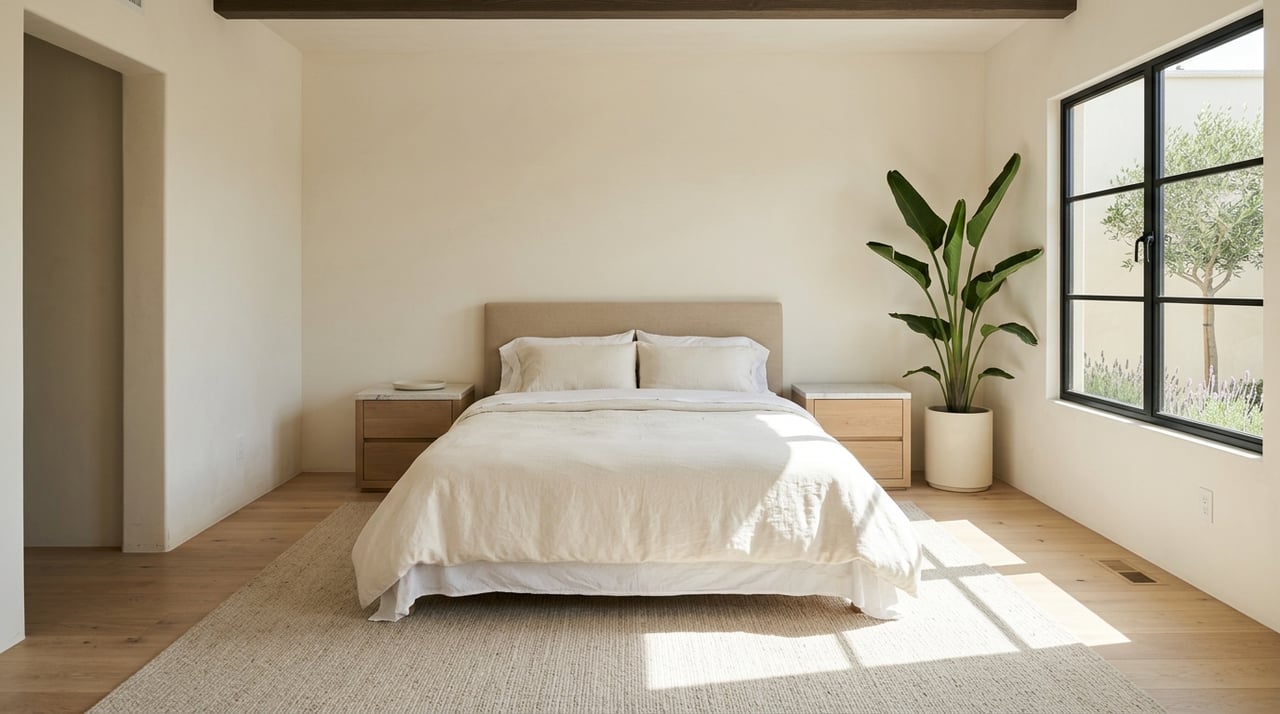
Keep the primary bedroom calm
The primary bedroom should feel restful and uncluttered. Buyers tend to respond well to simple bedding, limited accessories, and a layout that makes the room feel easy to move through.
Fresh bedding is one of the easiest upgrades you can make. Use clean, neutral layers and keep nightstands lightly styled. You do not need a lot of decor here. A calm color story and tidy surfaces usually do more than expensive extras.
If the bedroom has too much furniture, remove a piece or two. A bench, extra dresser, or oversized chair can make the room feel tighter than it is.
Primary bedroom staging checklist
- Use fresh bedding in simple colors
- Clear dressers and nightstands
- Remove laundry, cords, and personal items
- Keep closet contents organized and not overstuffed
- Minimize extra furniture if the room feels crowded
Clear the kitchen counters
Kitchens do not need a full renovation to show better. In many cases, the biggest improvement comes from making the room feel cleaner, larger, and more functional.
Clear off most countertop items so buyers can see the work surfaces. Put away small appliances, dish racks, mail, and everyday products. Leave only a few simple items if needed, such as a bowl or one small decorative piece.
This is also a good room for minor touch-ups. NAR notes that kitchens can benefit from small repairs, paint touch-ups, and strong photography. If a loose handle, worn caulk line, or scuffed wall catches the eye, fixing it before listing can help the space feel more cared for.
Kitchen staging checklist
- Clear counters of daily-use items
- Clean appliances until they shine
- Wipe cabinets, backsplash, and grout
- Remove extra chairs or furniture if the space feels tight
- Fix small cosmetic issues before photos
Make bathrooms feel fresh
Bathrooms are small, but they leave a big impression. A clean, simple bathroom reads as move-in ready, while a cluttered one can make buyers wonder about upkeep.
Keep counters nearly empty. Put away toiletries, medicines, razors, and cleaning products. Add clean towels and make sure mirrors, glass, and fixtures are spotless.
This is one of the easiest places to create a polished look on a modest budget. Fresh white or neutral towels, a clean shower line, and clear surfaces can go a long way.
Bathroom staging checklist
- Remove personal care items from counters
- Store cleaning products and medicines out of sight
- Hang fresh towels
- Clean mirrors, sinks, tubs, and glass thoroughly
- Keep the toilet lid closed for photos and showings
Do not overlook the entry
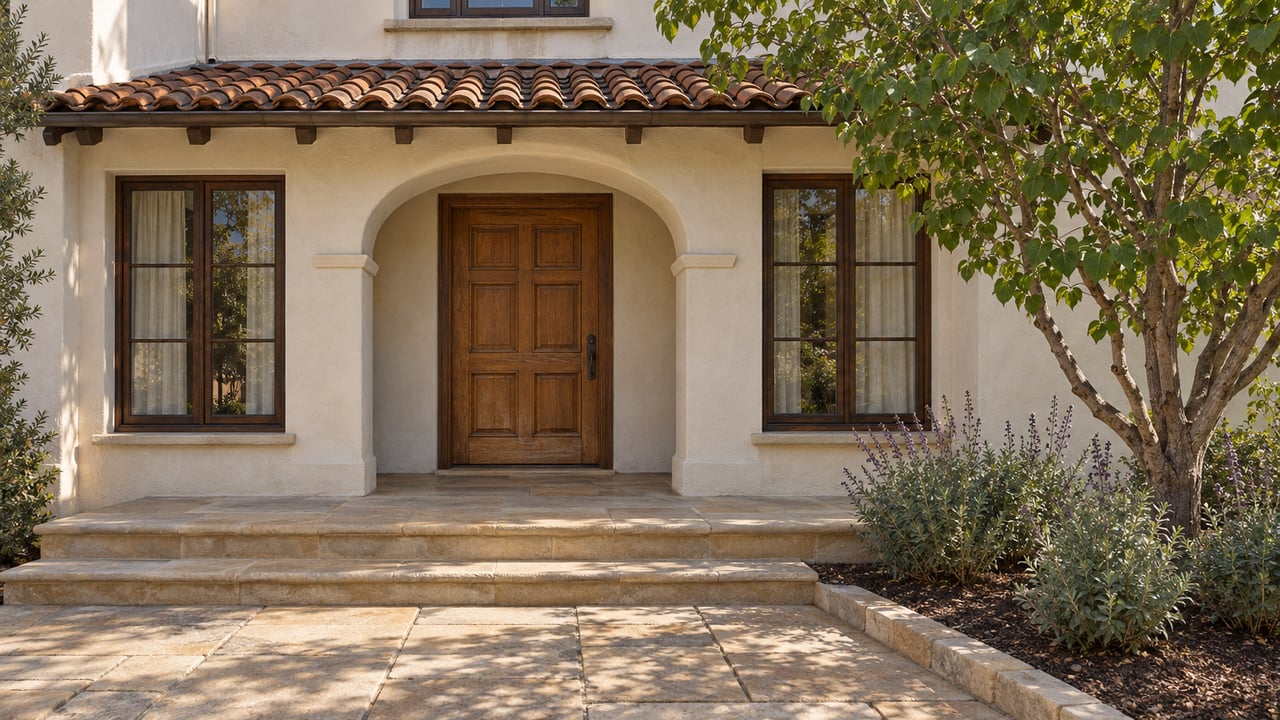
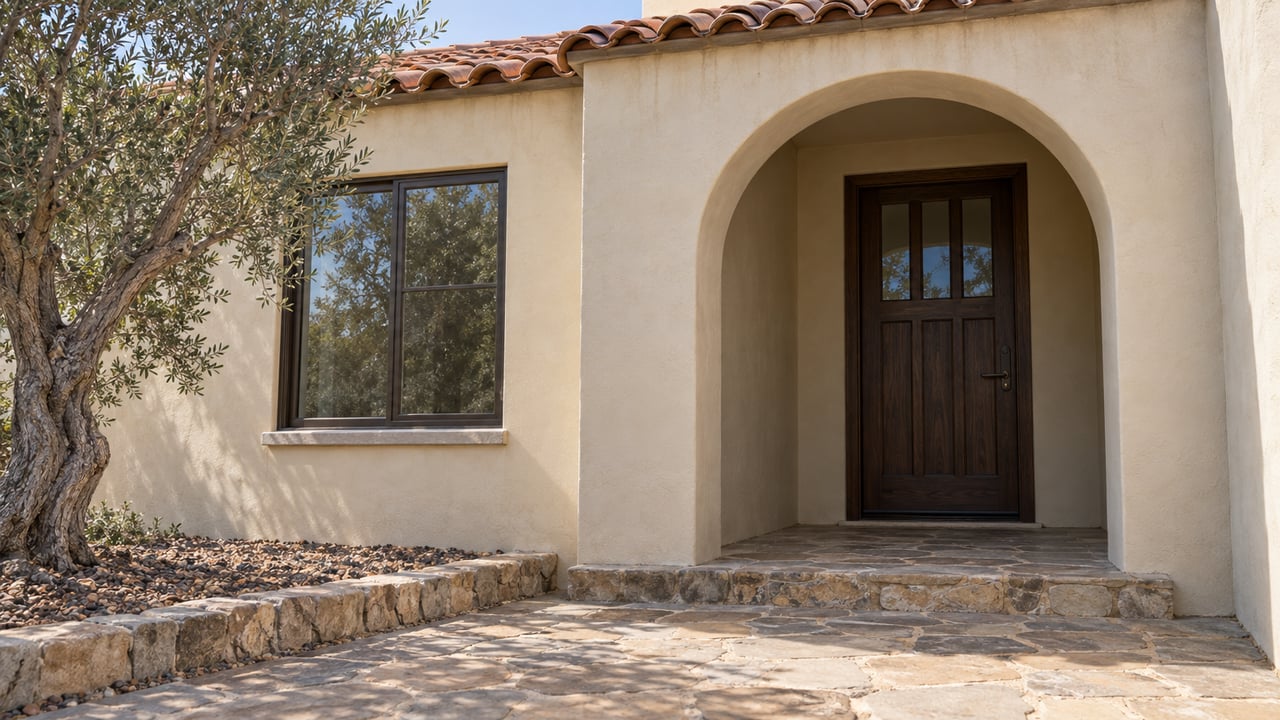
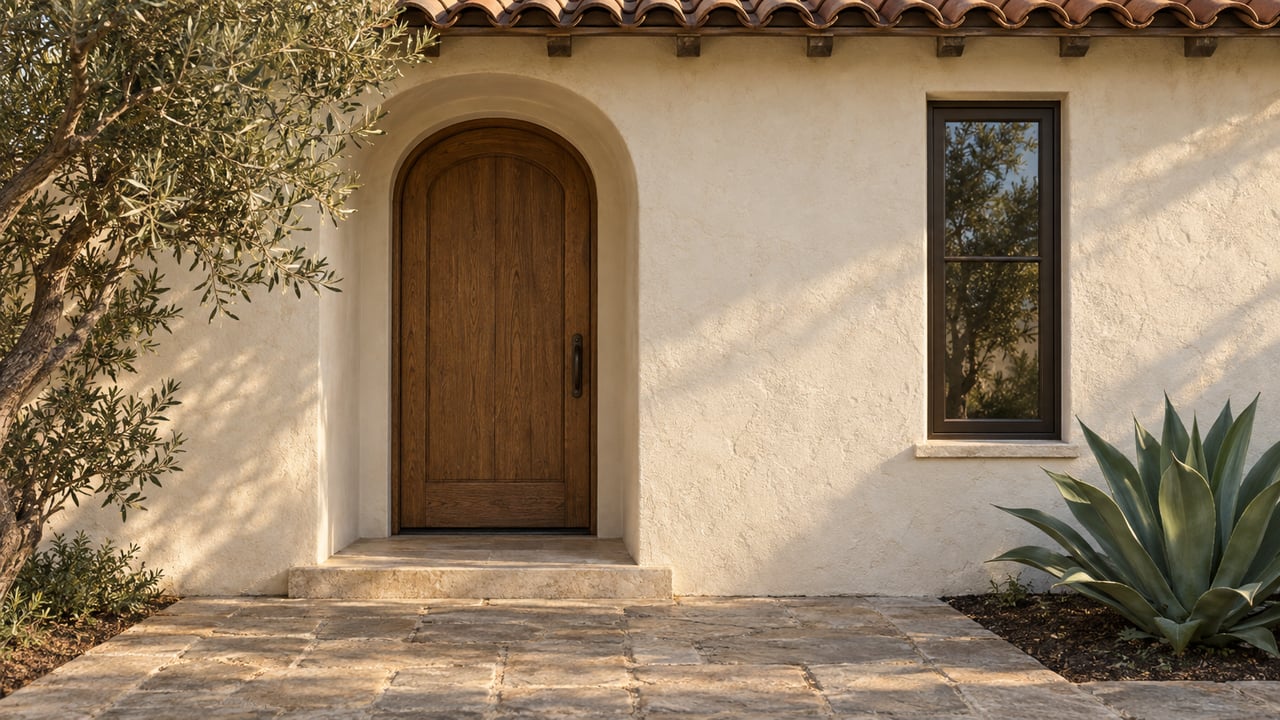
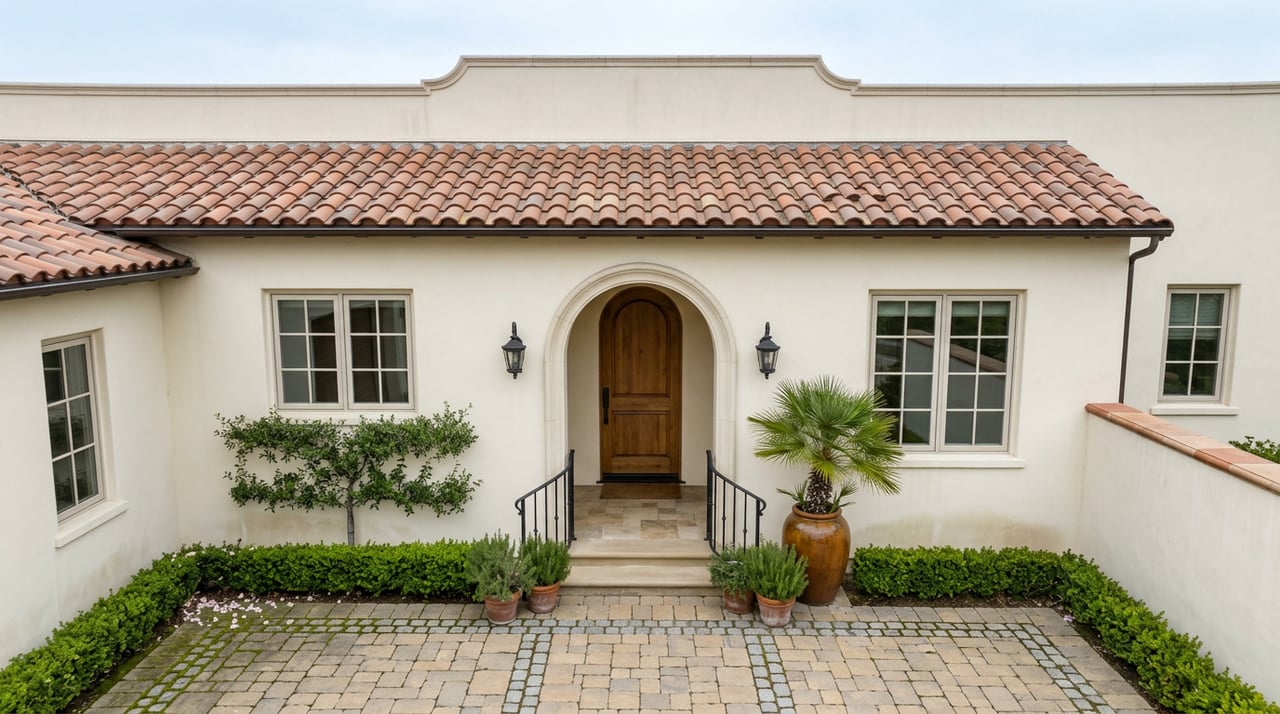
The entry sets the tone before a buyer ever reaches the living room. In Upland, where curb appeal can shape first impressions quickly, a clean and intentional front approach matters.
NAR recommends enhancing the entry and adding manicured landscape. That does not mean an expensive redesign. It usually means a swept walkway, trimmed plants, a tidy front door area, and a simple welcome mat or small potted plant.
If your front porch or entry has too many items, scale it back. A few clean touches tend to feel more inviting than a crowded setup.
Keep secondary rooms simple
Not every room needs the same level of attention. Guest rooms and secondary bedrooms generally do not justify major staging spend, so the goal is to make them look clean, flexible, and easy to understand.
Use minimal furniture and avoid turning these rooms into highly specific spaces. Buyers should be able to picture a bedroom, office, or hobby room based on their own needs.
The same idea applies to dining rooms and flex spaces. Show that the room has a purpose, but do not overcrowd it.
Good approach for supporting rooms
- Make the bed neatly
- Use simple, neutral linens
- Remove extra storage bins and overflow items
- Keep desks and tabletops mostly clear
- Let the room feel open and adaptable
Organize closets, laundry, and garage
Storage areas matter more than many sellers expect. Buyers often open closet doors, peek into the laundry area, and look at garage space to understand how the home functions day to day.
NAR recommends keeping closets about half full rather than packed. That helps them appear larger and easier to use. The same principle works in the laundry room and garage. Organized storage feels more valuable than crowded storage.
Try to remove overflow boxes, donation piles, and seasonal items before photos and showings. You want these spaces to communicate capacity, not catch-up projects.
Freshen outdoor spaces on a budget
Outdoor areas can be a strong selling feature, especially when photos capture the yard, roofline, lot, or surrounding setting well. But you do not need a major landscape overhaul to improve presentation.
Focus on cleanup first. Mow, sweep, trim, remove dead plants, and store hoses, toys, and tools. If you have patio furniture, keep only what helps buyers understand the space.
Simple exterior prep often pays off more than expensive redesign. A tidy yard and clean entry photograph well and help the whole property feel better maintained.
Spend smart before you spend big
One of the best staging lessons for sellers is this: start with low-cost, high-visibility work. NAR’s prep data shows the most common and practical steps are decluttering, cleaning, depersonalizing, minor repairs, carpet cleaning, and paint touch-ups.
That usually means your best budget order looks like this:
- Declutter the entire home
- Deep clean every room
- Remove personal decor and excess furniture
- Handle small repairs and touch-ups
- Add simple staging details where they matter most
If you hire staging help, NAR’s 2023 survey found a median spend of $600 for a staging service and $400 when a seller’s agent personally staged the home. Those figures are not guarantees of outcome, but they do support the idea that modest, targeted spending can be worthwhile.
Know when staging becomes remodeling
There is an important line between cosmetic prep and construction. In Upland, a building permit is required before most construction, and the city lists common permit-triggering work such as window or door replacement, electrical system changes, siding or stucco work, remodels, and re-roofing.
If your to-do list starts as staging but turns into bigger physical changes, pause before work begins. Cosmetic tasks like decluttering, styling, cleaning, and basic touch-ups are one thing. Construction-related improvements may need city review and permits.
This is where practical pre-sale guidance matters. You want to improve presentation without creating delays or taking on work that may not deliver a clear return.
Schedule photos after staging is done
Once the home is staged, then it is time for listing media. NAR’s 2025 survey shows buyers’ agents value photos, physical staging, videos, and virtual tours, so timing matters.
Professional photography should happen only after rooms are fully cleaned, styled, and cleared. If drone footage is part of the marketing plan, it can help show the roofline, yard, lot, and neighborhood context. For commercial drone use, the operator must follow FAA Part 107 rules, including certification and drone registration requirements.
If virtual staging or heavy image enhancement is used, material changes should be disclosed so buyers receive a true picture of the property. Good marketing should elevate presentation, not create confusion.
The goal is clarity, not overdecorating
The best-staged Upland homes usually have one thing in common: they feel easy to understand. Buyers can see the size of the rooms, the flow of the layout, and the potential of the home without distractions.
That is why selective presentation tends to work better than over-improving. Focus your effort on the living room, primary bedroom, kitchen, bathrooms, entry, and outdoor first impression. Then support those spaces with clean, simple styling throughout the rest of the home.
If you want a hands-on plan for getting your Upland home ready to list, Shannon Brady can help you prioritize the updates, staging, and visual marketing that support a stronger sale outcome.
FAQs
What rooms matter most when staging a home in Upland?
- The living room, primary bedroom, and kitchen are the top staging priorities, with bathrooms and the entry also worth focused attention.
What are the best low-cost staging steps for selling an Upland home?
- Start with decluttering, deep cleaning, depersonalizing, minor repairs, carpet cleaning, and paint touch-ups before spending on anything more elaborate.
Should you remodel before listing a home in Upland?
- Not necessarily. The strongest approach is often selective presentation and small visual fixes, not major remodeling.
Do staging projects in Upland ever need permits?
- Cosmetic staging does not usually involve permits, but construction-related work such as window replacement, electrical changes, siding or stucco work, remodels, and re-roofing may require City of Upland permits.
When should listing photos be taken for an Upland home sale?
- Schedule professional photos, video, and any drone coverage after the staging, cleaning, and final touch-ups are complete.
Is professional staging worth it for an Upland seller?
- It can be, especially when focused on the most visible rooms. Survey data shows staging helps buyers visualize the home and may support stronger presentation and market response.