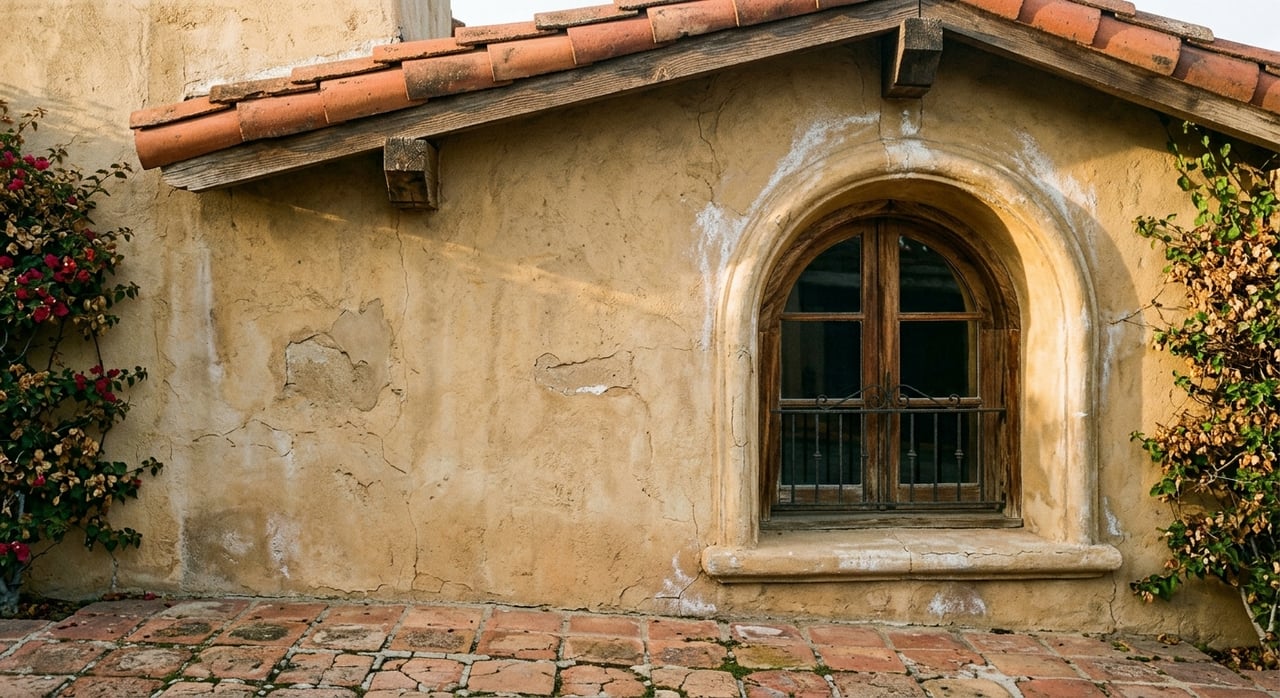
Buying a fixer-upper in Rancho Cucamonga can look like a smart way to get more house for your money, but not every “needs work” listing is a good opportunity. You may be wondering how to tell the difference between a home with manageable updates and one with expensive hidden problems. In this guide, you’ll learn what to inspect first, which local issues matter most, and how to judge whether the price actually leaves room for repairs and future value. Let’s dive in.
Why fixer-uppers still matter here
Rancho Cucamonga has a meaningful share of older housing stock, which helps explain why fixer-upper opportunities still show up in the local market. According to the city’s adopted housing element, about 28.4% of the city’s 57,443 housing units were built before 1980.
That matters because age often brings deferred maintenance and outdated finishes. The housing element notes that homes older than 30 years generally need minor repairs and modernization, while homes over 50 years old are more likely to need major rehabilitation, including roofing, plumbing, HVAC, and electrical repairs.
At the same time, the resale market remains competitive enough that discounts on condition can matter. In March 2026, Redfin reported a median sale price of $750,000 and 42 median days on market in Rancho Cucamonga, while Realtor.com reported 404 active listings, a median listing price of $789,000, and a 100% sales-to-list ratio.
For you as a buyer, that means one simple thing: the spread has to work. A fixer-upper only makes sense if the purchase price leaves enough room for repairs, permit costs, carrying costs, and some margin for surprises.
Start with the right inspection mindset
A lot of buyers make the same mistake with fixer-uppers. They assume a general home inspection will tell them everything they need to know about costs.
It will not. A home inspection is a critical first step, but it is not the same as a repair estimate or renovation plan.
What a general inspection covers
HUD recommends getting an independent home inspection, and Fannie Mae outlines the major areas inspectors typically review. These usually include:
- Foundation
- Roof
- Walls and ceilings
- Windows
- Electrical
- Central air and heating
- Structural components
- Attic and insulation
- Plumbing
- Basement conditions
This gives you a broad picture of the home’s condition and helps you spot the biggest red flags early. It is one of the best ways to avoid making decisions based only on cosmetic appearance.
What a general inspection does not cover
For a fixer-upper, the limitations matter just as much as the checklist. Fannie Mae notes that inspectors do not examine buried or hidden items, detached structures, concrete flatwork, or subsurface drainage systems.
They also do not determine pest, mold, asbestos, lead, or code-compliance issues. If your walkthrough or general inspection points to moisture damage, structural concerns, or aging systems, you should expect to bring in specialty inspectors or licensed contractors for a closer look.
Focus on the expensive items first
When you walk through a fixer-upper, it is easy to get distracted by old flooring, dated cabinets, or paint colors. Those items may affect the look of the home, but they are not usually what blows up your budget.
Your first job is to evaluate the systems and conditions that are expensive to repair and hard to ignore later.
Check the roof and water intrusion
Roof issues can quickly turn a manageable project into a major one. Signs like stains on ceilings, soft drywall, damaged fascia, or musty odors may point to active or past leaks.
This matters even more in Rancho Cucamonga if a home may need a re-roof. The city requires reroof permits for re-roofs or lift-and-relay projects over 400 square feet, and a structural evaluation may be needed if heavier roofing materials are used.
Look closely at foundation and structure
Foundation movement and structural defects deserve serious attention. Fannie Mae specifically highlights these as issues that warrant closer review.
Cracks, sloping floors, sticking doors, or separated trim do not always mean a deal is dead, but they should slow you down. In a value-add purchase, structural work can absorb the budget you hoped to use for improvements that actually raise appeal and resale value.
Evaluate plumbing, electrical, and HVAC
In older homes, these are often the hidden cost drivers. Rancho Cucamonga’s housing element notes that homes over 50 years old are more likely to need major work in these systems.
If a house needs plumbing updates, electrical repairs, and HVAC replacement at the same time, the project may no longer be a light cosmetic fixer. It may be moving into full rehab territory.
Understand local permits before you buy
In Rancho Cucamonga, permits are not a small detail. They can shape your budget, timeline, and even whether your project is practical in the first place.
The city states that permits are applied for online, and that building and fire plan review is performed for residential remodels and additions. Inspections are tied to permitted work, and certain properties may also need planning review, including hillside development review for some projects involving new buildings or additions.
Common remodels that may require permits
Many buyers assume permits only apply to large additions. In reality, even common fixer-upper upgrades can trigger them quickly.
The city says a building permit is required for projects that alter structures in whole or in part. It also states that a residential kitchen remodel requires a permit when cabinets, appliances, or layout are removed, replaced, or relocated.
That means your “simple kitchen update” may not be so simple if walls, systems, or layout are involved. Permit review, inspections, and required corrections should be part of your planning before you remove contingencies.
Roofing and fire-area rules
Roofing deserves special attention in Rancho Cucamonga. As noted above, re-roof permits are required for certain roofing projects, and the city requires Class A roof coverings in high fire hazard areas.
If you are evaluating a foothill property or a home near wildland edges, ask early whether roofing, defensible space, or home-hardening work may affect your total cost. That question can change your numbers more than upgraded finishes ever will.
Watch for Rancho Cucamonga hazard factors
Not every fixer-upper challenge is inside the home. Some of the most important questions are tied to the property’s location.
Rancho Cucamonga identifies wildland-urban interface areas where wildland vegetation meets developed neighborhoods. The city recommends defensible space and home hardening, and its hazard planning addresses wildfire, seismic hazards, flooding, severe weather, hazardous materials release, human-caused hazards, and aircraft incidents.
Review required hazard disclosures
California disclosure rules require buyers to be informed if a property is located in mapped hazard areas such as earthquake fault zones or very high fire hazard severity zones. These disclosures help you understand risks that may affect insurance, repairs, and future ownership costs.
That does not automatically make a property a bad buy. It does mean you should review the disclosures carefully and weigh the long-term cost of owning and insuring that home.
Confirm insurance early
This step is especially important for buyers looking in foothill areas. California’s Department of Insurance says insurers use their own wildfire risk models, not CAL FIRE hazard maps alone.
In practical terms, you should confirm insurability as early as possible. Do not assume a map label tells the full story, and do not wait until the end of escrow to ask what coverage may cost or whether options are limited.
Decide what improvements actually add value
A good fixer-upper plan is not about doing everything. It is about doing the right things in the right order.
According to the 2025 Remodeling Impact Report from NAR, REALTORS most often recommend painting the entire home, painting one interior room, and installing a new roof before listing. The projects with the strongest recent demand gains were kitchen upgrades, new roofing, and bathroom renovations.
Prioritize visible and functional updates
That data points to a practical approach. Start with cleaning, paint, and visible curb-appeal fixes, then focus on the roof and core systems.
These upgrades tend to support both livability and resale. By contrast, major layout changes, luxury finishes, or additions may be better treated as personal lifestyle choices unless the price discount is unusually deep.
Know which projects recover well
The same NAR report found the highest cost recovery from a new steel front door, closet renovation, and a new fiberglass front door. It also reported strong homeowner satisfaction around kitchen upgrades and new roofing.
That is useful because it reminds you that value is not always tied to the most expensive remodel. Sometimes smaller, targeted improvements create better results than a full redesign.
Know when to walk away
One of the smartest fixer-upper skills is knowing when not to buy. A property can look like a deal on paper but become too risky once you add up the real scope of work.
Be cautious when a home appears to need multiple major systems, structural repair, site work, and fire-hardening upgrades all at once. Based on the city housing element and Fannie Mae inspection guidance, that combination can push a property out of value-add territory and into full rehabilitation.
Build your numbers with real bids
Before you commit, price the project using licensed contractor bids, permit costs, and a contingency buffer. In California, the Contractors State License Board says work requiring a building permit, or work valued at $1,000 or more, must be handled by a licensed contractor.
You should also verify the contractor’s license before signing. That step protects you and helps ensure your renovation budget is based on real, local pricing instead of guesswork.
A simple fixer-upper test
As you evaluate a Rancho Cucamonga fixer-upper, ask yourself these questions:
- Does the price leave room for repairs and contingency?
- Are the biggest issues cosmetic, or are they structural and system-related?
- Will the planned upgrades require permits or planning review?
- Have you checked hazard disclosures and insurance options early?
- Are you improving for resale logic, personal use, or both?
If too many answers are unclear, it may not be the right property. A great fixer-upper should feel like a project you understand, not a risk you are hoping will work out.
If you want a practical second opinion on a fixer-upper in Rancho Cucamonga, Shannon Brady brings local market knowledge and hands-on renovation insight to help you evaluate where the real opportunity is and where the costs can get away from you.
FAQs
What should you inspect first in a Rancho Cucamonga fixer-upper?
- Start with an independent general home inspection and pay close attention to the roof, foundation, structural components, plumbing, electrical, heating, cooling, windows, and signs of water intrusion.
Do fixer-upper kitchen remodels in Rancho Cucamonga need permits?
- Yes, the city says a residential kitchen remodel requires a permit when cabinets, appliances, or layout are removed, replaced, or relocated.
Are older homes in Rancho Cucamonga more likely to need major repairs?
- Yes, the city’s housing element says homes older than 30 years generally need minor repairs and modernization, while homes over 50 years old are more likely to need major rehabilitation such as roofing, plumbing, HVAC, and electrical work.
What local hazard issues matter when buying a fixer-upper in Rancho Cucamonga?
- Buyers should review disclosures for mapped hazard areas and consider local risks such as wildfire, seismic hazards, flooding, and other hazards identified by the city.
Should you confirm insurance before buying a Rancho Cucamonga fixer-upper?
- Yes, especially in foothill areas, because the California Department of Insurance says insurers use their own wildfire risk models rather than relying only on hazard maps.
How do you know when a fixer-upper project is too big?
- If the home needs several major systems, structural work, site work, and hazard-related upgrades at the same time, the project may be closer to a full rehab than a manageable value-add purchase.