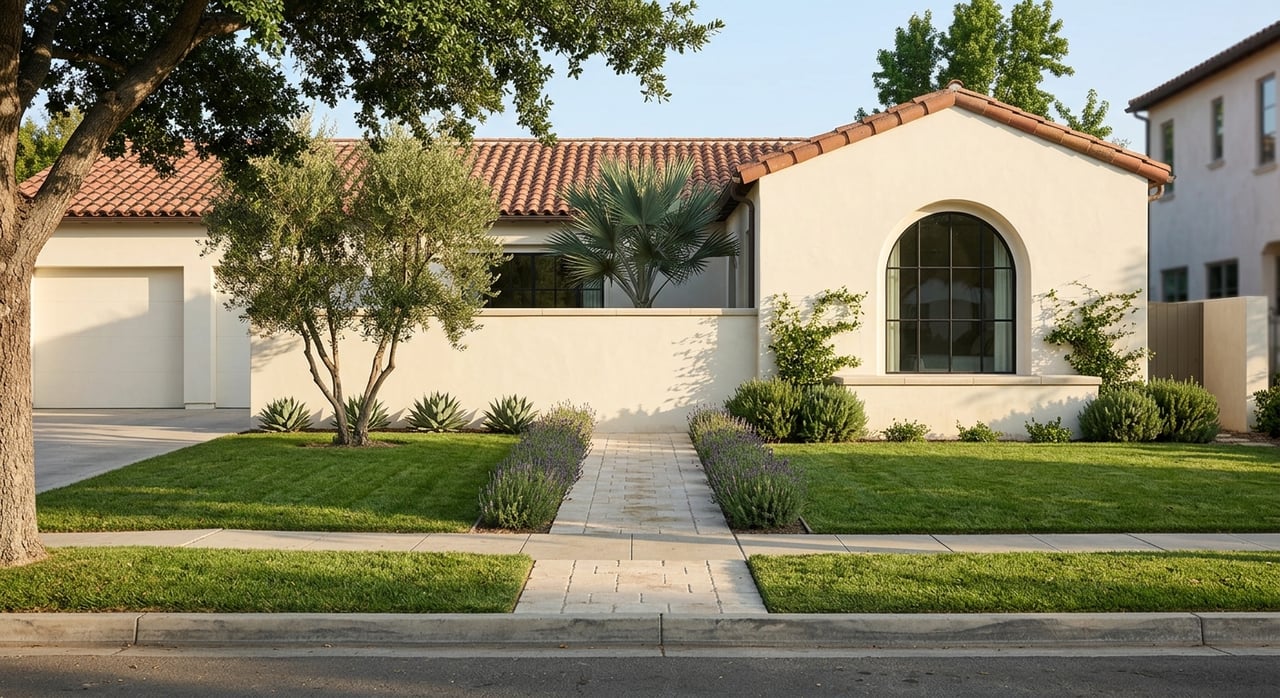
Looking for a city that feels established, connected, and easy to enjoy day to day? Upland stands out for its foothill setting, historic character, and practical livability. If you are thinking about buying or selling here, it helps to understand how the city functions beyond the map, and what daily life actually feels like. Let’s take a closer look.
Upland has a distinct foothill identity
Upland sits at the base of the San Gabriel Mountains, which gives the city a clear sense of place. That foothill backdrop shapes everything from the views to the layout of local streets and the overall feel of the community.
The city also has deep historic roots tied to citrus agriculture. Today, that history still shows up in preserved neighborhoods, older homes, and public spaces that help Upland feel established rather than newly built.
According to the city’s preservation program, Upland has nine locally designated historic districts and more than 580 historic or cultural resources. Euclid Avenue is also treated as a scenic historic corridor and an important gateway toward downtown and Mount Baldy.
Downtown Upland is part of daily life
One of the biggest draws in Upland is that downtown is not just a symbolic center. It is an active part of everyday life, with dining, shopping, entertainment, and transit all close together.
The city identifies Historic Downtown Upland as its commercial and residential core. Recent public and private investment has supported ongoing activity there, and the General Plan continues to prioritize housing near the Metrolink station and downtown area.
That matters if you want a city where errands, coffee, dinner, and events can feel more connected. Metrolink describes the district as walkable and historic, and the area includes features like parklets, local food spots, and a Saturday farmers market.
What downtown living feels like
If you spend time near the core, you will notice a mix of historic charm and practical convenience. Upland Station sits just across A Street from the downtown district, which makes the area especially appealing for people who want access to regional transit.
This part of the city tends to feel active without losing its local scale. You get an older, more rooted setting, with the added benefit of ongoing investment and a mix of residential and commercial uses.
Getting around Upland is straightforward
For many buyers, convenience matters as much as curb appeal. Upland offers a few different ways to get around, whether you commute regularly or simply want easier access to nearby cities.
Foothill Boulevard, part of historic Route 66, serves as a major east-west arterial through the city. It also helps connect drivers to both I-10 and SR-210, which can be important if your work or routine takes you across the Inland Empire or toward Los Angeles County.
Metrolink adds another option through Upland Station on the San Bernardino Line. For people who prefer not to rely on a car for every trip, that station can be a meaningful lifestyle feature.
Bike and pedestrian connections
Upland also supports non-car mobility. The city highlights bike routes, bike lockers at Metrolink, and planning language that emphasizes pedestrian and bicycle links to regional facilities like the Pacific Electric Trail.
That does not mean every errand becomes a walking trip, but it does add flexibility. If you value having more than one way to move through your community, Upland offers that option.
Parks and events add to everyday livability
A city can look good on paper and still feel flat in real life. Upland benefits from a strong park network and a steady lineup of community events, which adds texture to daily living.
The city lists a broad range of parks, including Baldy View Dog Park, Cabrillo, Citrus, Greenbelt, Magnolia, McCarthy, Memorial, Olivedale, San Antonio, and Sierra Vista. Reservable parks commonly include amenities like restrooms, BBQs, picnic areas, and playgrounds.
Olivedale Park also includes a universally inclusive playground. Features like that can make public space more usable and welcoming for a wider range of households and visitors.
Community traditions in Upland
Upland Recreation and Community Services says its mission is to improve quality of life through parks and programs. That goal shows up in the city’s annual traditions, including 4th of July festivities, seasonal events, and the Lemon Festival.
For residents, those traditions can make the city feel more connected over time. Even if you move for housing or commute reasons, these kinds of local events often become part of why a place starts to feel like home.
Housing in Upland feels established
If you are comparing Upland to nearby communities, one of the clearest differences is the housing stock. This is not a market defined mainly by large-scale new construction.
Census data shows Upland has a population of about 79,446, and 57.1% of housing units are owner-occupied. That points to an established residential base with long-term homeowners and a more settled pattern of development.
SCAG’s housing profile shows detached single-family homes remain the most common housing type in Upland. Other housing options are part of the mix too, including attached homes, multifamily buildings, and mobile homes.
A city with older homes and layered character
The same SCAG profile notes that the largest share of homes was built in the 1970s. That can translate into mature neighborhoods, more varied architecture, and lots that often feel different from newer master-planned areas.
The city’s General Plan also emphasizes protecting historic homes and neighborhoods in the Southeast Quadrant. It calls for new development to fit adjacent structures, while placing higher-density housing closer to downtown and the Metrolink station.
Upland’s historic districts include Arrow/Laurel Bungalow, Euclid Avenue, Old Magnolia, Old Town, Pleasant View, Stowell, and Victorian Row. Together, these areas help give the city a layered, older-core feel that many buyers find appealing.
What buyers may appreciate about Upland
If you are shopping for a home in Upland, the appeal often comes down to balance. You get a city with history and character, but also practical transportation links, everyday amenities, and a wide range of housing types.
Some buyers are drawn to the foothill setting and established streetscapes. Others are more focused on access to downtown, Metrolink, local parks, or single-family neighborhoods that feel rooted rather than recently built.
A few features that often stand out include:
- A foothill location near the San Gabriel Mountains
- A preserved historic core with designated districts
- An active downtown with dining, shopping, and events
- Metrolink access in the city center
- Major road connections via Foothill Boulevard, I-10, and SR-210
- A broad park system and recurring community traditions
- A housing mix led by detached single-family homes
What sellers should know about Upland’s appeal
If you own a home in Upland, the city’s strengths can shape how buyers see your property. Location within the city, proximity to downtown or commuter routes, neighborhood character, and the condition of the home may all influence marketability.
In an established city like Upland, presentation also matters. Buyers often compare not just square footage, but how well a home fits the surrounding neighborhood, how updated it feels, and whether its features highlight the lifestyle people want in this part of the foothill market.
That is where local knowledge can make a difference. Understanding how buyers respond to older homes, historic surroundings, lot layouts, and renovation potential is especially important in a city with this much variety.
Why Upland continues to attract attention
Upland offers something many buyers and sellers are looking for: a sense of place. It combines a preserved historic identity with commuter access, public amenities, and a housing stock that feels established and varied.
In simple terms, it is a city where the setting, the street patterns, the downtown core, and the parks all work together to create a stronger everyday experience. That is a big part of what it is like to call Upland home.
If you are thinking about buying in Upland or preparing to sell, working with a local expert can help you evaluate not just the property, but the bigger picture of where it fits and how to position it well. For tailored guidance on Upland homes and neighborhoods, connect with Shannon Brady.
FAQs
What is Upland, California known for?
- Upland is known for its foothill setting, historic roots tied to citrus agriculture, preserved districts, active downtown, park system, and access to Metrolink and major regional roads.
What is downtown Upland like for residents?
- Downtown Upland serves as the city’s commercial and residential core, with dining, shopping, entertainment, a Saturday farmers market, parklets, and close access to Upland Station.
What types of homes are common in Upland?
- Detached single-family homes are the most common housing type in Upland, with additional options that include attached homes, multifamily buildings, and mobile homes.
Is Upland a historic city?
- Yes. Upland has nine locally designated historic districts and more than 580 historic or cultural resources, and areas like Euclid Avenue play an important role in the city’s preserved identity.
How do people commute from Upland?
- Many residents use Foothill Boulevard, I-10, and SR-210 for driving, while others use Metrolink’s San Bernardino Line from Upland Station in the downtown core.
Are there parks and community events in Upland?
- Yes. Upland has a broad network of parks and hosts community traditions such as 4th of July festivities, seasonal events, and the Lemon Festival.