Thinking about selling your Claremont home but not sure if you should renovate first? You are not alone. In a market shaped by the Claremont Colleges, established neighborhoods, and steady demand, it pays to be strategic about upgrades. In this guide, you will learn which fixes tend to pay off, what to skip, how timing and permits affect your plan, and a simple framework to decide your next move. Let’s dive in.
Claremont market: what buyers value
Claremont is a well-established college town in eastern Los Angeles County. Buyers are often drawn to location, neighborhood character, and access to community amenities. Many homes are older craftsman or ranch styles, which buyers appreciate for charm and setting.
In recent years, the broader Southern California market cooled from the pandemic frenzy, which led to longer days on market in many areas. Desirable enclaves with walkable downtowns and strong community amenities tend to hold value better. In Claremont, condition relative to comparable listings still matters. Buyers will pay more for homes that feel move-in ready, but they will also consider homes needing updates if the price reflects the work.
Renovate or sell as-is? A quick framework
Use this simple, step-by-step approach to protect your time and net proceeds:
- Review comps. Look at 3 to 5 recent nearby sales with similar size and features. Note the finish level, days on market, and price tier.
- Get a local market assessment. Ask a trusted agent what listing as-is might yield versus targeted updates. Include holding time and risk in the estimate.
- Order a pre-listing inspection. Identify health, safety, and major systems issues early so you can repair or disclose with confidence.
- Prioritize high-impact, low-cost items. Focus on paint, landscaping, lighting, hardware, minor kitchen and bath refreshes, and visible deferred maintenance.
- For bigger work, get quotes. Compare the projected price boost to total costs and timeline. If cost plus time is near or above the likely gain, scale back.
- If you do renovate, match neighborhood norms. Pull permits where required and keep finishes aligned with what recent comps support.
Projects with the best ROI in Claremont
You do not need a full remodel to win attention. Smaller, targeted improvements typically return a higher percentage of their cost than major overhauls.
- Cosmetic updates and decluttering. Fresh neutral interior paint, deep cleaning, lighting updates, cabinet hardware, and professional or virtual staging help photos pop and reduce days on market.
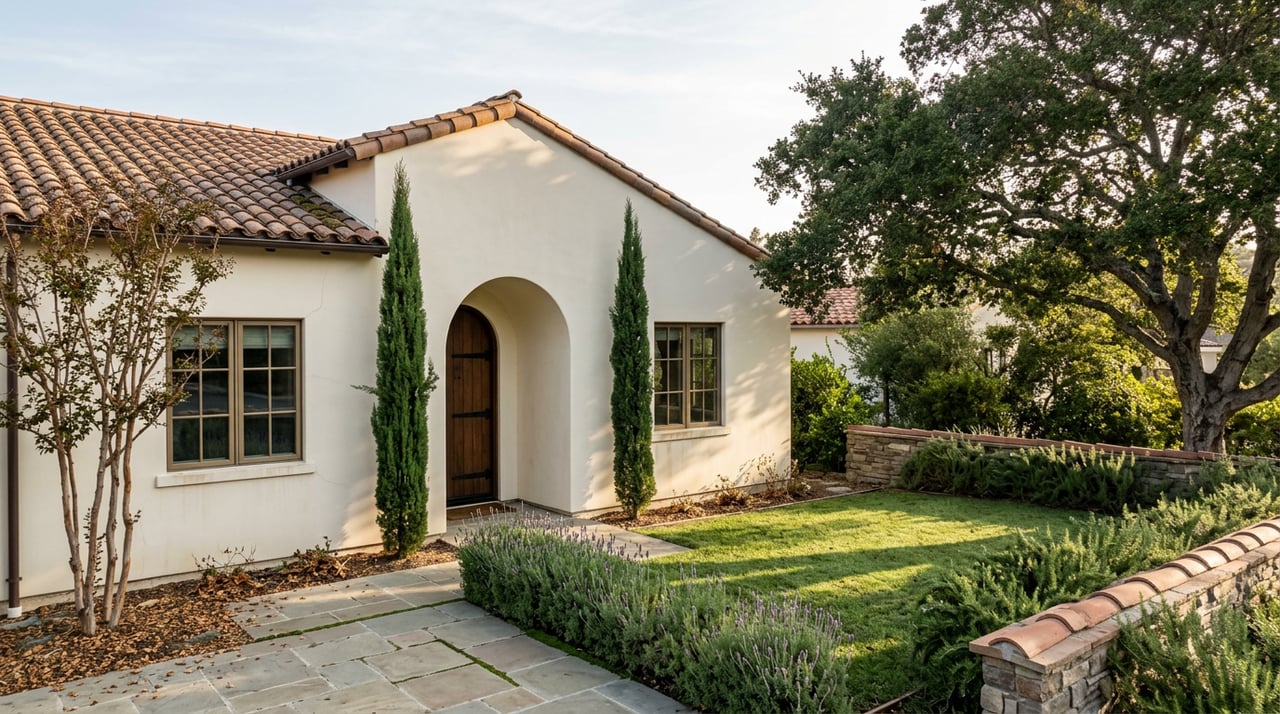
- Curb appeal improvements. Trim landscaping, add mulch, refresh the entry, and update porch lighting. A clean, welcoming exterior sets the tone for showings.
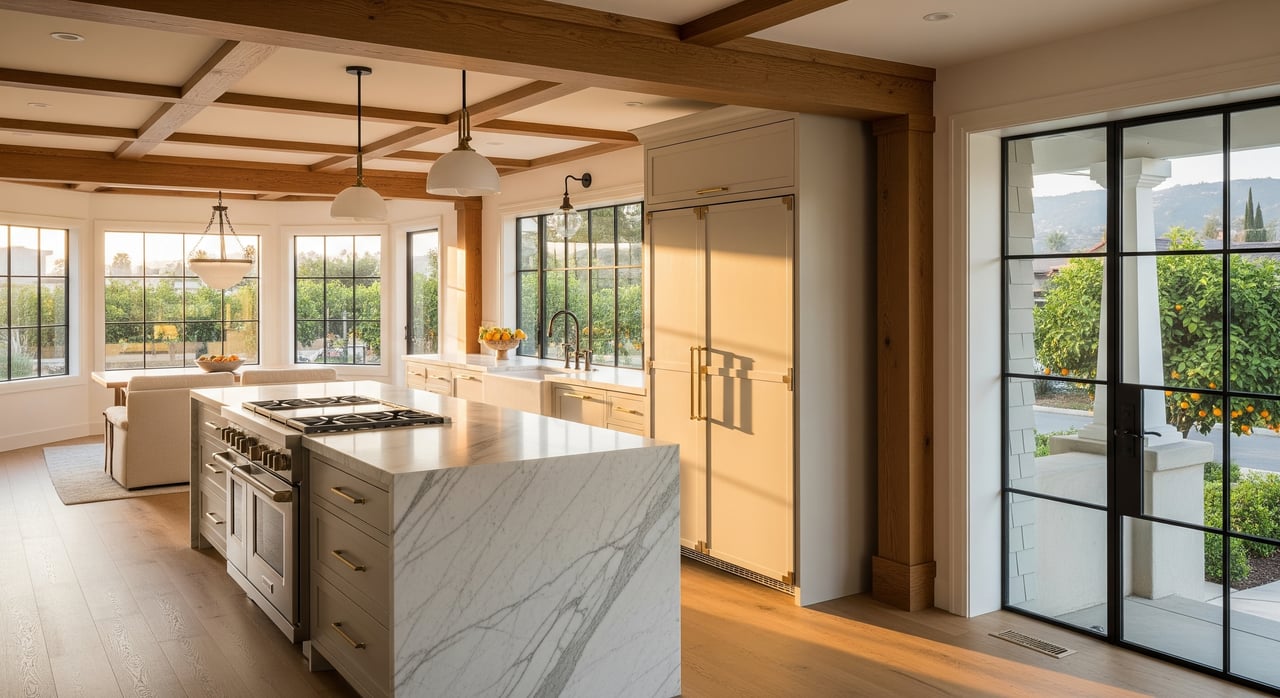
- Minor kitchen refresh. Repaint or refinish cabinets, replace fronts if needed, install a modern faucet, update counters, and add a clean backsplash. Mid-range appliances can help if your current set is dated.
- Bathroom updates. Re-glaze or replace surrounds, update the vanity and fixtures, improve lighting and ventilation, and refresh tile where it is tired.
- Systems and inspection items. Address roof issues, HVAC concerns, electrical and plumbing problems, and other safety items. These fixes may not increase price dollar for dollar but often prevent costly concessions later.
- Flooring improvements. Refinish hardwoods or install quality laminate or engineered wood. If carpet is worn, replacing it is often worth it.
Tip: In higher-priced markets, buyers notice finish quality, but going ultra-luxury rarely returns its full cost unless comps support it.
What to skip or rethink
Avoid projects that introduce risk without clear upside:
- Overbuilding beyond neighborhood norms. A finish level far above nearby comps can create appraisal challenges.
- Highly personalized luxury choices. If the style is niche, you limit your buyer pool and risk low ROI.
- Unpermitted or DIY structural work. This can reduce buyer confidence, trigger delays, and invite renegotiations.
Timing, permits, and contractors
Plan early and be realistic about schedules. In Southern California, the best contractors stay busy. Small cosmetic projects may take days or weeks, mid-range kitchen and bath refreshes can take several weeks, and major remodels can run several months.
- Know what needs a permit. In Claremont, cosmetic tasks like paint or carpet usually do not require permits. Structural changes and most electrical, plumbing, and HVAC work do. Confirm with the City’s Building Division before you start.
- Document everything. Provide permits, warranties, and receipts in your disclosure packet. Transparency builds buyer trust and can speed up escrow.
- Hire qualified pros. Verify licensing with the California Contractors State License Board, get proof of insurance, and insist on clear written scopes and payment schedules.
Avoid appraisal and pricing risks
Appraisers value homes using comparable sales. If your upgrades put the home well above nearby finishes, the appraisal may not match your target price. To reduce risk:
- Align finishes with recent, nearby comps in the same price tier.
- Keep a record of upgrades, materials, and costs.
- Ask your agent to identify comps that reflect your home’s improvements before you list.
Pre-listing checklist
Use this checklist to prepare for market with confidence:
- Market and comps review with a local agent
- Pre-listing home and pest inspections
- Repair safety and major systems issues
- Interior and exterior neutral paint where needed
- Kitchen and bath refreshes focused on cabinets, fixtures, counters, and lighting
- Landscaping tune-up, clear walkways, fresh mulch, and an inviting entry
- Flooring repair, refinish, or replacement in worn areas
- Assemble permits, warranties, and contractor receipts
- Staging plan and professional photography
- Strategic timing for your launch based on local inventory and seasonality
When a full remodel makes sense
Consider larger projects only when clear comps support a higher sale price and you can complete the work without extending your timeline beyond your goals. For example, if nearby homes with an additional bath or an open kitchen consistently sell higher and your quotes show a comfortable net gain after costs and holding time, a bigger project may be justified. Otherwise, stay focused on targeted updates that deliver strong first impressions.
Staging vs. renovating
If your budget is limited, choose staging plus selective updates over a full remodel. Staging highlights space and flow, while fresh paint, lighting, and simple kitchen or bath tweaks give buyers confidence. This approach often shortens time on market and can improve your net without taking on major construction risk.
How to decide your budget
There is no universal number to spend before selling. Base your plan on:
- What nearby buyers expect for your price bracket
- Which fixes will reduce days on market
- How long a project will delay your listing window
- Your comfort level with financing and construction risk
Start with inspection repairs and visible cosmetics. Then decide if a minor kitchen or bath refresh, flooring, or curb appeal work will move you into a stronger comp set.
Local nuances to remember
Claremont includes older homes and pockets with unique character. Some properties may have design guidelines or preservation considerations. Before changing character-defining features, check with city planning. If you are in an HOA or condo community, review architectural rules before exterior changes. Clear documentation will help buyers feel comfortable with your home’s history and upgrades.
The bottom line for Claremont sellers
Most sellers in Claremont see the best results from smart, focused improvements, not full-scale remodels. Start with a comps-driven plan, fix inspection items, and invest in curb appeal, paint, lighting, and modest kitchen and bath updates. Keep your finishes aligned with neighborhood expectations, and plan enough time to do the work well. This approach protects your price, shortens your timeline, and reduces surprises in escrow.
Ready to talk through your options, from renovation strategy to staging and premium marketing? Reach out to Shannon Brady for a local, hands-on plan.
FAQs
Should I renovate before selling my Claremont home?
- Often you will get a better result from targeted updates like paint, landscaping, lighting, and minor kitchen or bath refreshes, while full remodels rarely recoup all costs unless comps support them.
Which pre-sale projects deliver the best ROI in Claremont?
- Cosmetic updates, curb appeal improvements, minor kitchen and bath refreshes, flooring upgrades, and repairing inspection-related items typically have the strongest impact at resale.
Do I need permits for pre-sale renovations in Claremont?
- Cosmetic work usually does not, but structural changes and most electrical, plumbing, and HVAC projects do; always verify requirements with the City’s Building Division and disclose permit history to buyers.
How long do pre-sale updates take in Southern California?
- Small projects can take days to weeks, mid-range kitchen and bath updates often take several weeks, and major remodels may take months due to contractor demand.
How can I avoid appraisal issues after renovating?
- Match finish level to nearby comps, document your upgrades, and price within the range supported by recent sales to help appraisers align value with your improvements.